
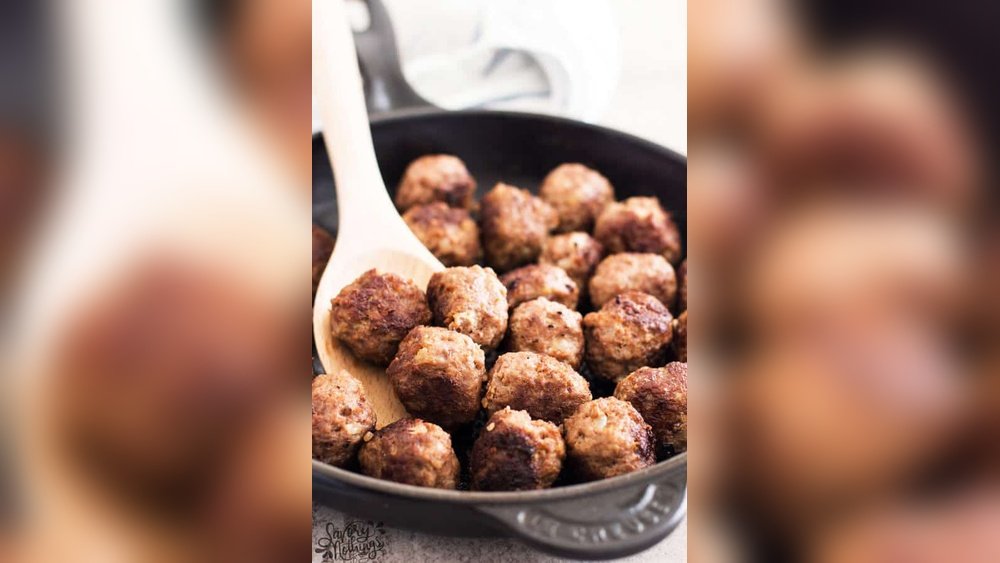
Making meatballs on the stove is a comforting, hands-on cooking experience that brings people together. Imagine the aroma of sizzling meat, herbs, and garlic filling your kitchen. You might think you need an oven or fancy gadgets for juicy, flavorful meatballs. The truth is, you can create amazing meatballs right on your stovetop. This guide will walk you through everything: from choosing ingredients, shaping the perfect ball, to simmering in sauce without drying them out. Along the way, you’ll pick up practical secrets that even some experienced cooks overlook. Whether you’re cooking for a weeknight dinner or a special family meal, you’ll discover how simple and satisfying stovetop meatballs can be.
Why Make Meatballs On The Stove?
Stovetop meatballs have a unique charm. You control every part of the cooking process, from browning to simmering. They develop a beautiful crust and soak up flavors from sauces in real time. Unlike baking or slow-cooking, making meatballs on the stove lets you adjust as you go.
If you want tender meatballs with a rich sauce, the stovetop is the way.
Many home cooks think oven-baked is the only way to get juicy results. But stovetop cooking helps keep the inside moist while giving you a tasty outer crust. Plus, you don’t have to heat up your whole kitchen, which is perfect in summer.
Key Ingredients For Stovetop Meatballs
The right ingredients are the foundation of great meatballs. Here’s what you need for classic, juicy, flavorful results.
Meat Choices
The meat you choose affects taste, texture, and moisture. Most classic recipes use ground beef, but mixing meats adds depth.
- Ground beef (80% lean): Juicy, classic flavor, holds shape well.
- Ground pork: Adds fat and sweetness, keeps meatballs moist.
- Ground veal: Delicate flavor, tender texture (optional).
- Ground turkey or chicken: Lighter and leaner, but can dry out if overcooked.
A popular blend is 50% beef and 50% pork. For lean meats like turkey, adding a bit of olive oil or extra breadcrumbs helps prevent dryness.
Bindings And Fillers
Binders keep your meatballs together and make them tender.
- Eggs: Act as a glue. 1 egg per pound of meat is enough.
- Breadcrumbs: Soak up juices and prevent dense, rubbery meatballs. Use fresh or dried, plain or seasoned.
- Milk or water: Hydrates breadcrumbs for extra softness.
For gluten-free versions, use crushed gluten-free crackers or cooked rice.
Flavor Builders
- Garlic and onion: Freshly chopped or grated gives depth. Sauté first for a milder flavor.
- Fresh herbs: Parsley, basil, or oregano add brightness.
- Cheese: Grated Parmesan or Pecorino Romano brings salty, savory flavor.
- Salt and pepper: Essential for seasoning.
A common mistake is under-seasoning. Meatballs need more salt than you think because some is lost in cooking and mixing with sauce.
Optional Additions
- Red pepper flakes: For a mild kick.
- Fennel seeds: Popular in Italian-style recipes.
- Worcestershire sauce: Deepens the umami profile.
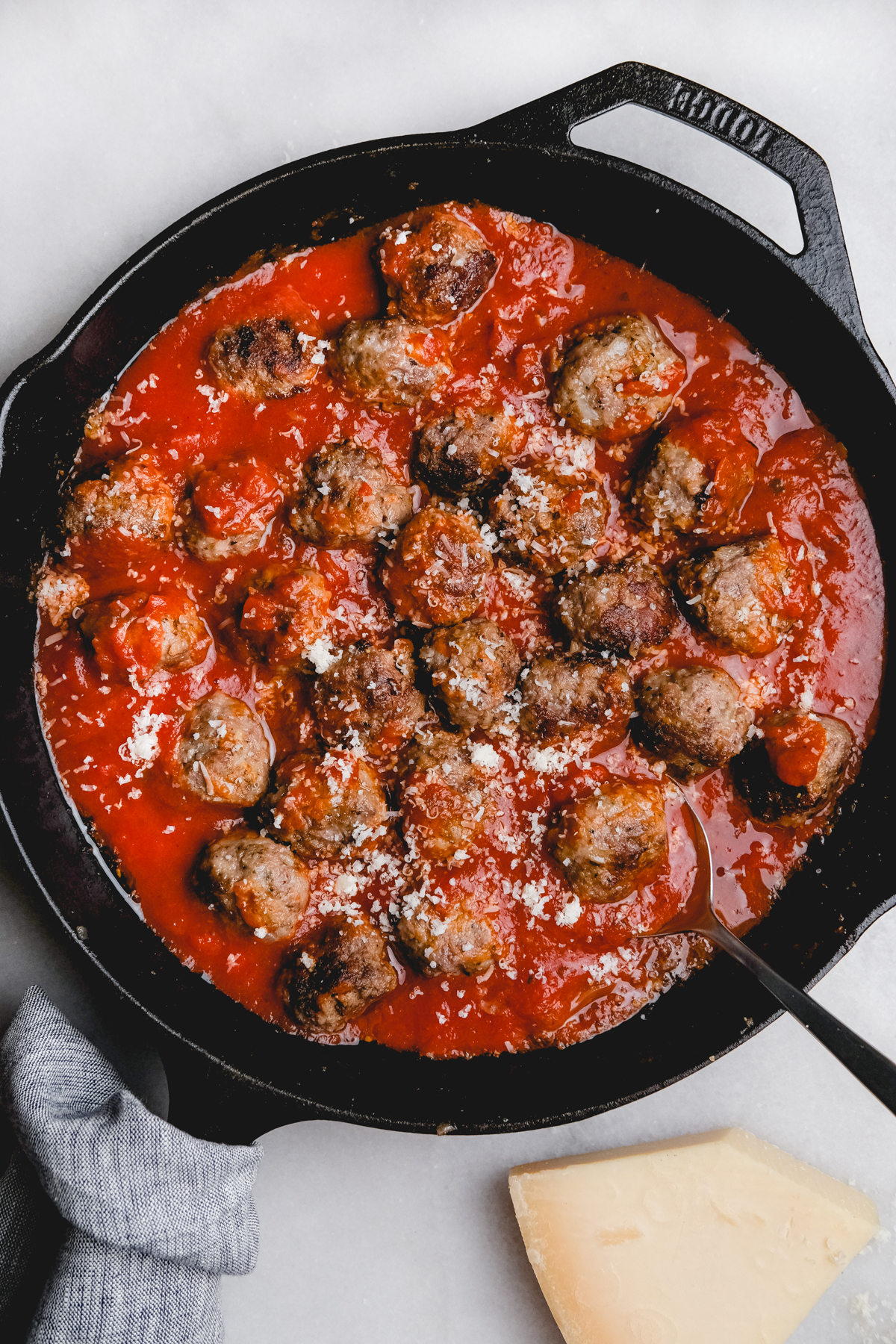
Credit: www.kierstenhickman.com
Tools You’ll Need
You don’t need special equipment for stovetop meatballs, but a few tools make the process easier.
- Large mixing bowl: To combine everything evenly.
- Fork or hands: For gentle mixing (less compact meatballs).
- Ice cream scoop or tablespoon: For uniform sizing.
- Large skillet or sauté pan: Heavy-bottomed is best for even heat.
- Tongs or spatula: To turn meatballs gently.
- Lid: Helps cook meatballs through when simmering in sauce.
A common beginner error: using a pan that’s too small. Overcrowding lowers temperature and causes steaming, not browning.
Step-by-step Instructions: How To Make Meatballs On The Stove
Let’s break down the method. This process yields about 20 medium meatballs, perfect for four people.
1. Gather And Prep Your Ingredients
Ingredients:
- 1 pound ground beef (or 50/50 beef and pork)
- 1/2 cup breadcrumbs
- 1/4 cup milk
- 1 large egg
- 1/2 cup grated Parmesan cheese
- 1/4 cup finely chopped parsley
- 2 cloves garlic, minced
- 1/2 small onion, grated or finely chopped
- 1 teaspoon salt
- 1/2 teaspoon black pepper
- 1/2 teaspoon dried oregano (optional)
- 2 cups tomato sauce (store-bought or homemade)
- 2 tablespoons olive oil
Prep tips: Soak breadcrumbs in milk for 5 minutes before mixing. This keeps meatballs moist.
2. Mix The Meatball Mixture
In a large bowl, add soaked breadcrumbs, ground meat, egg, cheese, parsley, garlic, onion, salt, pepper, and oregano. Mix gently with your hands or a fork until just combined. Don’t overmix—this makes tough meatballs.
3. Shape The Meatballs
Use a tablespoon or scoop to divide the mixture. Roll into balls about the size of a golf ball (about 1. 5 inches). Wet your hands with cold water to prevent sticking.
Non-obvious tip: Make a small test patty and cook it first. Taste and adjust seasoning before shaping all meatballs. Many home cooks skip this and end up with bland meatballs.
4. Brown The Meatballs
Heat olive oil in a large skillet over medium heat. Add meatballs in a single layer, leaving space between each one. Cook for 2–3 minutes per side until browned on all sides. Don’t crowd the pan—brown in batches if needed.
Why brown? Browning adds flavor and helps the meatballs hold together in sauce.
5. Simmer In Sauce
Once browned, remove excess oil if needed. Pour tomato sauce into the pan with meatballs. Bring to a gentle simmer. Cover and cook for 15–20 minutes. This cooks the meatballs through and infuses them with sauce.
Practical insight: If you want a thicker sauce, remove the lid for the last 5 minutes. For softer meatballs, keep it covered.
6. Check For Doneness
Cut a meatball in half. It should be no longer pink in the center and juices run clear. Internal temperature should be at least 160°F (71°C) for beef/pork, 165°F (74°C) for poultry.
7. Serve And Enjoy
Serve hot over pasta, rice, in a sub roll, or with vegetables. Top with more cheese or fresh herbs.

Credit: www.jerseygirlcooks.com
Cooking Time And Yield
- Prep time: 15 minutes
- Browning time: 10 minutes
- Simmering time: 20 minutes
- Total time: About 45 minutes
- Yield: 4 servings (about 20 meatballs)
Variations: Creative Stovetop Meatballs
Stovetop meatballs are endlessly adaptable. Here are some popular and creative twists.
Classic Italian
- Use a mix of beef and pork.
- Add fresh basil and a bit of fennel seed.
- Simmer in a rich marinara sauce.
Swedish-style
- Use ground beef and pork.
- Add allspice and nutmeg to the mix.
- Simmer in a creamy gravy instead of tomato sauce.
Greek-style (keftedes)
- Use beef or lamb.
- Add mint, oregano, and a little lemon zest.
- Serve with tzatziki sauce instead of tomato.
Asian-inspired
- Use ground pork or chicken.
- Add ginger, scallions, and soy sauce.
- Simmer in a mix of soy, sesame oil, and a bit of honey.
Vegetarian
- Use cooked lentils, mushrooms, or chickpeas as the base.
- Add breadcrumbs, egg, and Parmesan for binding.
- Brown and simmer in your favorite sauce.
Non-obvious insight: For vegetarian meatballs, bake them briefly after browning to help them hold together better during simmering.
Common Mistakes And How To Avoid Them
Even experienced cooks make missteps with meatballs. Here’s what to watch out for:
- Overworking the mixture: Mix just until combined. Overmixing makes them tough.
- Skipping the test patty: Always taste and adjust seasoning with a small patty first.
- Using too little binder: Not enough breadcrumbs or egg means crumbly meatballs.
- Browning at high heat: Too hot, and the crust burns before inside cooks. Keep to medium heat.
- Not enough space in the pan: Crowding steams the meatballs. Brown in batches if needed.
- Dry meatballs: For lean meats, add a little olive oil or more breadcrumbs soaked in milk.
- Undercooking: Always check the inside for doneness or use a thermometer.
How Stovetop Meatballs Compare To Other Methods
Let’s see how stovetop stacks up against oven-baking and slow-cooking.
| Method | Flavor | Texture | Time Needed | Best For |
|---|---|---|---|---|
| Stovetop | Rich, caramelized from browning | Juicy, crusty outside, soft inside | 45 min | Quick, hands-on, adjustable cooking |
| Oven-baked | Even, but less intense browning | Uniform, slightly firmer | 60 min | Large batches, less hands-on |
| Slow-cooker | Very tender, sauce-infused | Soft, sometimes mushy | 4-6 hours | Make-ahead, set-and-forget |
Stovetop meatballs stand out for their quick, rich flavor and interactive cooking.
Pairing Sauces And Sides
Great meatballs deserve great partners. Here are classic and creative ideas.
Sauces
- Marinara: Classic tomato sauce, with garlic and herbs.
- Alfredo: Creamy, cheesy sauce, best with chicken or turkey meatballs.
- Gravy: For Swedish or German-style meatballs.
- Tzatziki: Cool, tangy Greek yogurt sauce.
Side Dishes
- Spaghetti or pasta: Traditional and always popular.
- Mashed potatoes: Comforting with cream-based sauces.
- Steamed rice: For Asian-inspired versions.
- Crusty bread: To mop up sauce.
- Steamed vegetables or salad: For a lighter meal.
Storing And Reheating Stovetop Meatballs
Proper storage keeps your meatballs delicious for days.
Refrigeration
- Store in an airtight container with sauce.
- Lasts up to 4 days in the fridge.
Freezing
- Cool completely before freezing.
- Place in a single layer on a tray, freeze, then move to a freezer bag.
- Keeps for 2–3 months.
Reheating tip: Simmer gently in sauce on the stove until hot. Microwave can dry them out, but works in a pinch.
Nutrition Information
Meatballs can be healthy or indulgent, depending on your choices.
| Ingredient | Calories (per serving) | Protein (g) | Fat (g) | Carbs (g) |
|---|---|---|---|---|
| Beef & Pork Meatballs (classic) | 320 | 22 | 19 | 12 |
| Turkey Meatballs | 270 | 21 | 10 | 11 |
| Vegetarian Meatballs | 180 | 9 | 5 | 25 |
Adding lots of cheese or frying in extra oil increases calories and fat. For a lighter version, use lean meat and bake or simmer in a light broth.
Pro Tips For Perfect Stovetop Meatballs
- Wet your hands when rolling. This gives smoother meatballs and less sticking.
- Use a gentle touch—compact meatballs are dense.
- Let the mixture rest for 10 minutes before shaping. This helps breadcrumbs absorb moisture.
- Deglaze the pan with a bit of wine or broth after browning, then add sauce. This lifts tasty bits off the bottom.
- Try different herbs. Parsley is classic, but basil, thyme, or dill can change the flavor profile.
Meatball Myths Debunked
Many people believe certain things about meatballs that simply aren’t true. Let’s clear up the confusion.
- You need breadcrumbs for binding. Not always! Cooked rice, oats, or even mashed potatoes can work as substitutes.
- Eggs hold everything together. Actually, too many eggs make meatballs rubbery. One per pound is enough.
- All meatballs must be browned. Browning adds flavor, but you can simmer raw balls in sauce for ultra-soft texture.
- Bigger is better. Small meatballs cook more evenly and are easier to eat.
- You need expensive meat. Any ground meat works—flavor comes from seasoning and technique.
Making Meatballs For Special Diets
You can adapt stovetop meatballs for almost any diet.
Gluten-free
- Use gluten-free breadcrumbs, crushed crackers, or cooked rice.
- Double-check all sauces for hidden gluten.
Dairy-free
- Skip the cheese, or use a dairy-free alternative.
- Use olive oil instead of butter.
Low-carb/keto
- Use almond flour instead of breadcrumbs.
- Skip any sugar in sauces.
Vegetarian
- Use lentils, beans, or mushrooms as the base.
- Add nuts or seeds for extra protein.
Scaling Up: Cooking For A Crowd
Stovetop meatballs are easy to multiply. Here’s how to keep quality high for bigger batches.
- Use multiple pans: Avoid overcrowding by browning in several pans.
- Bake to brown: Place meatballs on a baking sheet and bake at 425°F for 10 minutes, then simmer in sauce on the stove.
- Keep warm: Finished meatballs can stay warm in a covered pan over very low heat or in a slow cooker set to “warm.”
What To Do With Leftover Meatballs
Leftovers are a gift! Here’s how to use them:
- Meatball subs: Warm meatballs on a toasted roll with sauce and mozzarella.
- Soup: Slice meatballs into broth with pasta and vegetables.
- Pizza topping: Chop meatballs and scatter over homemade or store-bought pizza.
- Salad: Slice cold meatballs over a green salad for protein.
- Rice bowl: Serve with steamed rice and sautéed vegetables.

Credit: www.youtube.com
The Secret To Memorable Meatballs
Great meatballs are about more than just ingredients. It’s about texture, seasoning, and the time you take to brown and simmer. Don’t rush the process. Use fresh ingredients when possible, and always taste as you go. Remember, your stovetop gives you more control than you might think.
Even if your first batch isn’t perfect, you’ll learn what you like. Softer? Add more milk or less mixing. More flavor? Try new herbs or a pinch more cheese. Stovetop meatballs are a canvas for your creativity.
For more inspiration, check out this resource on the history and styles of meatballs: Wikipedia: Meatball.
Frequently Asked Questions
How Do I Keep Meatballs From Falling Apart?
Use enough binder—usually breadcrumbs and egg. Mix gently and don’t skip soaking breadcrumbs in milk. Don’t move meatballs too early while browning; let a crust form first.
Can I Use Frozen Meatballs On The Stove?
Yes, but thaw first for best results. If cooking from frozen, simmer gently in sauce for 25–30 minutes, or until hot through.
What Is The Best Meat For Stovetop Meatballs?
A mix of beef and pork (about 80% lean) gives the juiciest, most flavorful results. For lighter meatballs, use turkey or chicken, but add extra fat or moisture to prevent dryness.
How Do I Make Meatballs Ahead Of Time?
Shape and brown meatballs as usual. Cool and refrigerate for up to 2 days, or freeze. When ready, simmer in sauce until heated through.
Do I Have To Use Sauce?
No. You can brown meatballs and serve them plain, with a dip, or in a sandwich. Sauce adds flavor and moisture, but isn’t required.
Making meatballs on the stove is a joyful, rewarding experience. With these tips and techniques, your next batch will be delicious, juicy, and full of flavor—whether it’s your first time or your hundredth. Enjoy your cooking journey!