
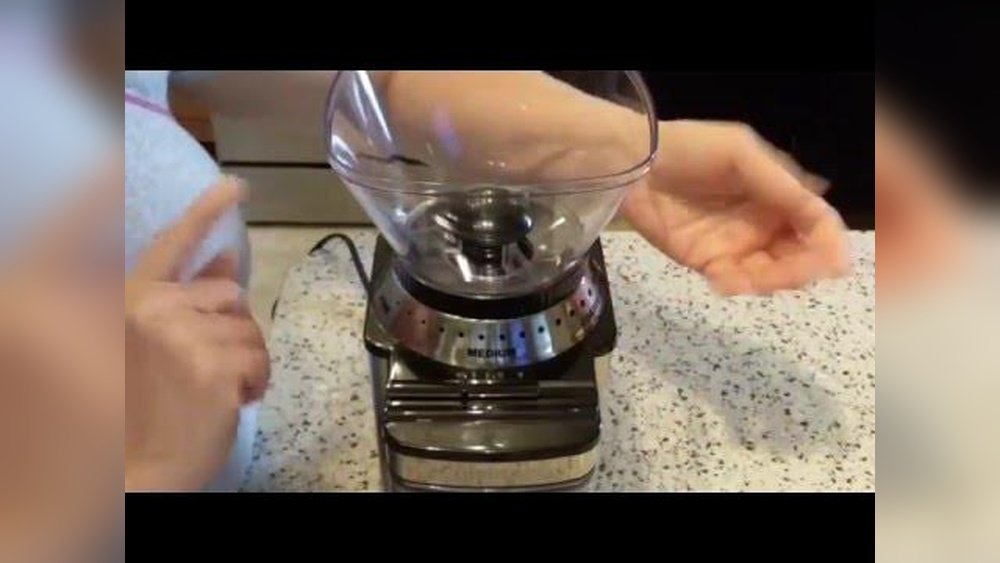
If you love coffee, you know how important a good grinder is. The Cuisinart coffee grinder is a popular choice for many homes and small offices. It gives you the freedom to grind coffee beans fresh for each cup. But over time, coffee oils and fine grounds can build up inside the grinder. This can make your coffee taste bitter, stale, or even burnt. Cleaning your Cuisinart coffee grinder is not just about looks—it’s about flavor, safety, and the life of your machine.
A lot of people clean their grinder only when it starts to smell bad or work slowly. This is a mistake. Regular cleaning keeps your coffee tasting great and your machine running smoothly. But many owners are unsure how to clean their grinder properly.
Some worry about damaging the blades, burrs, or motor. Others are not sure if they need special tools or cleaners.
This guide will show you exactly how to clean a Cuisinart coffee grinder, step by step. You’ll learn what makes these grinders unique, what tools you need, how often to clean, and how to avoid common mistakes. You’ll also see how to handle both blade and burr models, and get tips for deep cleaning and maintenance.
If you want your morning coffee to taste fresh every time, you’re in the right place.
Understanding Your Cuisinart Coffee Grinder
Before you start cleaning, it’s smart to know which type of grinder you have. Cuisinart makes both blade grinders and burr grinders. These types have different designs and need different cleaning methods.
- Blade grinders use fast-spinning metal blades to chop coffee beans. They are usually less expensive, smaller, and simple to use. However, grounds can stick under the blades and in corners.
- Burr grinders use two rough surfaces (called burrs) to crush beans evenly. They produce a more uniform grind and are preferred by coffee lovers. Burr grinders have more parts, like hoppers, burrs, and grounds bins.
Check your user manual if you are unsure about your model. Knowing your grinder type helps you clean it correctly and avoid damage.
| Feature | Blade Grinder | Burr Grinder |
|---|---|---|
| Grinding Method | Spinning blade | Rotating burrs |
| Grind Consistency | Less even | Very even |
| Cleaning Difficulty | Easy | Moderate |
| Parts to Clean | Bowl, lid, blade | Hopper, burrs, bin |
Why Regular Cleaning Is So Important
You might wonder, “Do I really need to clean my grinder that often? ” The answer is yes. Even if you use your Cuisinart grinder just a few times a week, oils and fine coffee dust will build up. These leftovers can go rancid and give your fresh beans a bad taste.
Coffee grounds also attract moisture, which can cause mold.
Cleaning is not just about taste. A dirty grinder can slow down, overheat, or break. A thick layer of coffee oil can dull blades and clog burrs. This means your grinder has to work harder, which can burn out the motor.
A clean grinder will:
- Make every cup taste fresh
- Work faster and more quietly
- Last longer, saving you money
- Stay safer (no mold or bacteria)
Many people think that running rice or bread through the grinder is enough. This can help, but it’s not a true cleaning. You need to remove oils, stuck grounds, and any moisture. If you have never done a deep clean, your grinder may already have a hidden buildup.
Tools And Supplies You Will Need
You don’t need fancy equipment or expensive cleaners to get your Cuisinart coffee grinder clean. Most people already have what they need at home. Here’s what works best:
- Soft brush (like a pastry brush or old toothbrush): For brushing out stuck grounds.
- Microfiber cloth: For wiping down surfaces without scratching.
- Mild dish soap: Non-scented works best to avoid any lingering smell.
- Warm water: For washing removable parts.
- Vacuum with nozzle (optional): Useful for burr grinders.
- Grinder cleaning tablets (optional): Designed for coffee oils.
- Toothpick or cotton swab: For tight crevices.
Never use harsh chemicals, bleach, or metal scouring pads. These can damage your grinder’s finish or leave harmful residues.
How Often Should You Clean Your Grinder?
How often you clean depends on how much you use your grinder. Here are some general guidelines:
- Daily or after each use: Quick brush to remove loose grounds.
- Weekly: Wipe out oils and deep clean removable parts.
- Monthly: Full deep clean with all parts disassembled.
If you grind flavored coffee, oily beans, or use your grinder for spices, clean more often. Oily beans and spices leave more residue that can affect the taste of your next brew.
Cleaning A Cuisinart Blade Coffee Grinder
Blade grinders are common in kitchens because they are simple and fast. Here’s the best way to clean yours:
Step 1: Unplug And Disassemble
Always unplug the grinder before cleaning. Remove the lid and, if possible, the grinding bowl (some are fixed). Make sure there are no beans or grounds left inside.
Step 2: Remove Loose Grounds
Turn the grinder upside down over the trash and gently tap it. Use a soft brush or toothbrush to sweep out the remaining grounds, especially under the blades and around the bowl edges.
Step 3: Wash Removable Parts
If your model has a removable bowl and lid, wash them with warm, soapy water. Rinse well and dry completely before reassembling. Water left inside can damage the motor.
Step 4: Clean The Blades
Wipe the blades with a damp microfiber cloth. Be careful—the blades are sharp. If there are sticky oils, use a tiny bit of dish soap, then wipe with a clean damp cloth.
Step 5: Clean The Exterior
Wipe the outside of the grinder with a cloth. Never put the base or motor in water.
Step 6: Dry And Reassemble
Let every part dry completely. Reassemble the grinder and plug it in only when you’re sure it’s dry.
Step 7: Removing Odors
If your grinder smells, grind a tablespoon of dry, uncooked white rice. The rice will pick up leftover oils and odors. Discard the rice and brush out any dust.
Non-obvious tip: Never use flavored rice or instant rice—it can leave residue.
Cleaning A Cuisinart Burr Coffee Grinder
Burr grinders need more attention because of the extra parts and more places for coffee oils to hide. Here’s how to clean your burr grinder properly.
Step 1: Unplug And Remove Parts
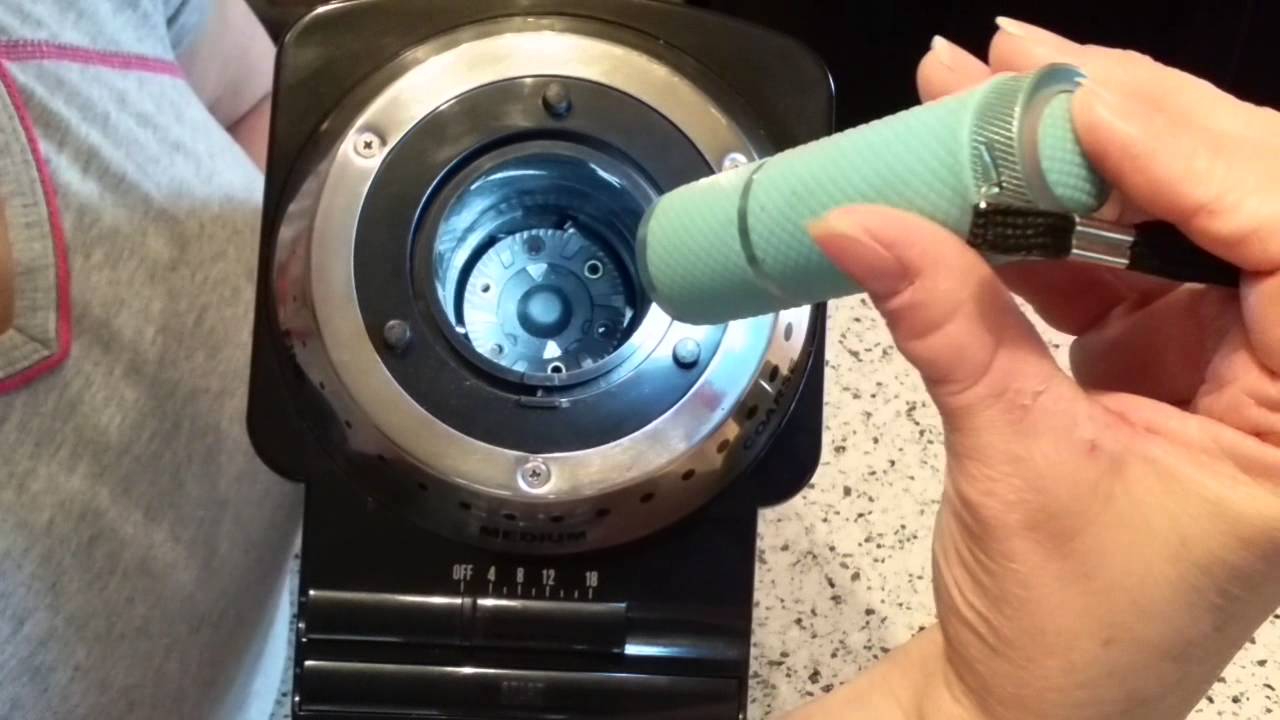
Unplug the grinder. Remove the hopper (bean container), burrs (if possible), and grounds bin. Check your manual for instructions—some burrs twist out, others are fixed.
Step 2: Empty Beans And Grounds
Pour out any leftover beans from the hopper. Turn the grinder upside down and shake out loose grounds. Use a brush to sweep inside the burr area.
Step 3: Wash Removable Parts
Wash the hopper and grounds bin with warm, soapy water. Rinse and dry fully. Do not wash the burrs unless the manual says it’s safe—water can cause rust.
Step 4: Clean The Burrs
Brush the burrs with a small brush or toothbrush. Work gently to avoid damaging the teeth. If the burrs are very oily, wipe with a dry cloth. If needed, use grinder cleaning tablets (follow product instructions).
Non-obvious insight: Never use water on steel burrs unless the manufacturer says it’s safe. Water can ruin them.
Step 5: Clean The Grinder Body
Wipe the outside with a damp cloth. Use a toothpick or cotton swab for tight spots.
Step 6: Reassemble And Test
When all parts are dry, put your grinder back together. Run a small amount of beans to check for leftover dust or taste. Discard the first batch after a deep clean.
| Part | Cleaning Method | How Often |
|---|---|---|
| Hopper | Wash with soapy water | Weekly |
| Burrs | Brush only | Monthly |
| Grounds Bin | Wash with soapy water | Weekly |
| Grinder Body | Wipe with cloth | Weekly |

Credit: www.usatoday.com
Deep Cleaning: When And How To Do It
If you use your grinder daily, or notice sticky residue, a deep clean is needed. Deep cleaning means taking apart as many removable parts as possible and cleaning every surface.
Signs Your Grinder Needs Deep Cleaning
- Coffee tastes off or bitter
- Grinder sounds louder than usual
- Grounds are inconsistent
- You see visible oil or buildup
How To Deep Clean
- Unplug and disassemble all parts (hopper, burrs, bin, lid).
- Soak removable parts in warm, soapy water for 10–15 minutes.
- Scrub with a brush to remove sticky oils.
- Dry parts completely—leave them out overnight if needed.
- Brush the burrs or blades with a dry brush.
- Clean inside the grinder body with a vacuum nozzle or cotton swab.
- Reassemble only when every part is 100% dry.
Practical tip: Keep a second set of burrs or a spare grinder if you drink a lot of coffee. This lets you always have one clean and ready.
What Not To Do: Common Mistakes
Many people make cleaning mistakes that can ruin their grinder or hurt the taste of their coffee. Avoid these errors:
- Never submerge the motor base in water. Water can destroy the electronics.
- Don’t use harsh chemicals like bleach, ammonia, or oven cleaners.
- Don’t use steel wool or metal brushes—they scratch surfaces.
- Don’t force parts if they don’t come off easily. Check the manual.
- Don’t forget to dry all parts before reassembling. Even a little water can cause mold or rust.
If you’re unsure, contact Cuisinart customer support or read the manual for your model.
Special Tips For Long-lasting Performance
To get the most from your Cuisinart grinder, follow these habits:
- Grind only coffee beans. Grinding spices, nuts, or seeds leaves oils that are hard to remove.
- Keep your grinder covered when not in use. Dust and kitchen grease can settle inside.
- Store beans separately—don’t leave them in the hopper for days. Beans can go stale and add oil.
- Use a soft brush regularly to avoid buildup, even if you don’t see it.
- Check burrs and blades for dullness once a year. Replace if needed.
A well-maintained grinder can last many years. Some users report their Cuisinart burr grinder working well after 5 or even 10 years with regular care.
Cleaning Frequency Comparison
To help you plan your cleaning schedule, see how different use patterns affect cleaning needs.
| Usage | Quick Clean | Deep Clean |
|---|---|---|
| Daily (heavy use) | After each use | Every 2 weeks |
| Weekly (light use) | After each use | Monthly |
| Oily/flavored beans | After each use | Weekly |

Credit: www.ifixit.com
Troubleshooting: If Your Grinder Still Smells Or Tastes Bad
Sometimes, even after cleaning, your grinder can hold onto old odors or tastes. Here’s what to do if that happens:
- Run grinder cleaning tablets through your burr grinder as directed.
- Grind uncooked white rice in a blade grinder, then brush out the powder.
- Leave parts out in fresh air for a few hours to remove strong smells.
- Check for mold—especially if you see black or green spots.
If the smell or taste doesn’t go away, check for cracks, old rubber gaskets, or very oily burrs. Sometimes, it’s best to replace worn parts.
Eco-friendly Cleaning Options
If you prefer natural cleaning methods, you can use:
- Baking soda: Mix with water to make a gentle paste for scrubbing.
- White vinegar: Soak removable parts to cut oil. Rinse well to remove smell.
- Rice: As mentioned, for absorbing oils and odors.
These methods are safe for most grinders, but always rinse and dry well.
Storing And Handling After Cleaning
Once your grinder is clean, store it in a dry place. Don’t put it back together until every part is bone-dry. If you use your grinder only sometimes, cover it with a clean towel or use a plastic bag to keep out dust.
This small step keeps your coffee tasting fresh, even after weeks.
When To Replace Your Grinder
No coffee grinder lasts forever. If you notice:
- Blades or burrs stay dull after cleaning
- Motor makes strange noises
- Grinder struggles or stops mid-grind
- Plastic parts crack or break
…it may be time for a new grinder. Most Cuisinart models last 5–10 years with good care. Replacement parts are available for some models. Always check if a new burr or bowl will solve the problem before buying a new unit.
Where To Find More Help
For detailed manuals, replacement parts, or troubleshooting, visit the official Cuisinart support page. You’ll find model-specific guides and videos to help with cleaning and maintenance.
Frequently Asked Questions
How Do I Clean A Cuisinart Grinder If I Use It For Spices?
If you use your grinder for spices, clean it right after each use. Spices leave strong oils and smells. Wash all removable parts with warm, soapy water. For the blades or burrs, brush well and grind some white rice to pick up leftover oils.
Note that some smells may be hard to remove completely.
Can I Put Cuisinart Grinder Parts In The Dishwasher?
Most Cuisinart grinder lids, hoppers, and grounds bins are top-rack dishwasher safe. Check your manual to be sure. Never put the motor base or burrs in the dishwasher. Always dry parts fully before reassembling.
What Should I Do If My Grinder Jams After Cleaning?
If your grinder jams, unplug it and check for stuck grounds under the blades or burrs. Use a brush or toothpick to clear any blockages. Sometimes, reassembling with wet parts can cause jamming—make sure everything is dry. If it still jams, contact Cuisinart support.
How Do I Remove Oily Residue From Burrs?
Use a dry brush for most oil. For stubborn residue, grinder cleaning tablets work well. Do not use water unless the manual says it’s safe. If you must, use a damp cloth and dry immediately. Never soak steel burrs.
How Long Does A Cuisinart Coffee Grinder Last With Good Cleaning?
With proper cleaning and care, a Cuisinart grinder can last 5–10 years. Replace burrs or blades when they become dull. If the motor works well and you clean it often, your grinder can make thousands of delicious cups.
Cleaning your Cuisinart coffee grinder is not just a chore—it’s the key to better, fresher coffee every day. With the right steps, tools, and care, you’ll get more flavor and a longer life from your machine. Don’t wait for bad taste or slow grinding—make cleaning part of your coffee routine. Your taste buds will thank you.
Credit: www.youtube.com