
Every home cook who uses a rice cooker has wondered at some point: How does a rice cooker know when to stop? You press a button, walk away, and somehow the rice comes out just right—fluffy, tender, and never burnt. It almost feels like magic, especially if you grew up watching your parents or grandparents cook rice on the stove, carefully timing and checking to avoid burning or sticking. The truth is, there’s a lot of science and clever engineering behind this everyday appliance. Understanding how rice cookers work gives you more confidence in using them, helps you troubleshoot problems, and can even help you choose the best model for your needs. Let’s break down the secrets behind this kitchen wonder, from basic designs to smart technology, and see what really happens inside your rice cooker.
The Basics: What Is A Rice Cooker?
A rice cooker is a small kitchen appliance designed to cook rice automatically. You add rice and water, close the lid, and press a button. The cooker heats up and, after a while, stops cooking—leaving you with perfectly cooked rice. While rice cookers can look simple, their design is based on important principles of heat, water, and timing.
Key Parts Of A Rice Cooker
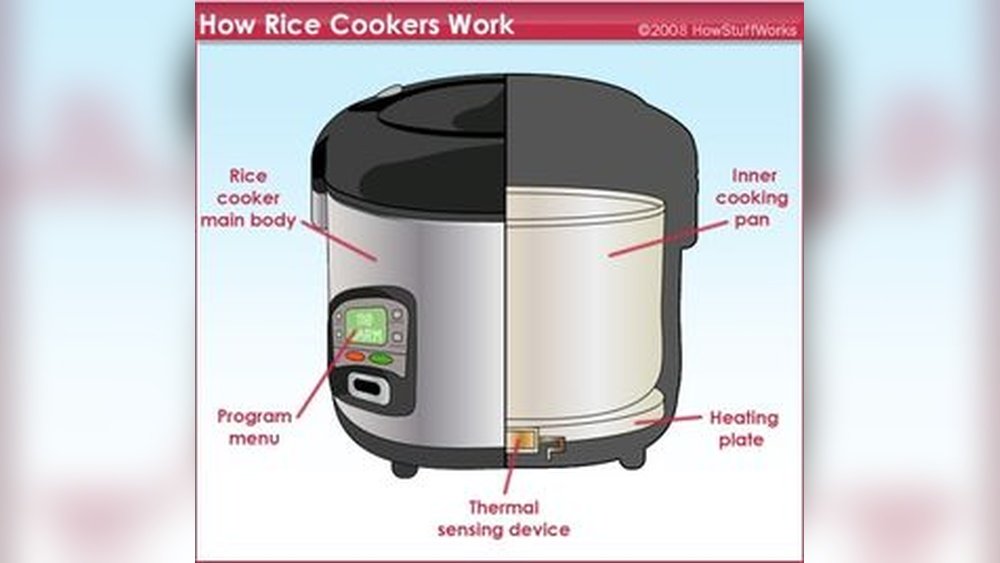
Most rice cookers, no matter how basic or advanced, have these main parts:
- Outer shell – The main body that holds everything together and protects electrical parts.
- Inner pot – The removable bowl where you put rice and water. Usually made of aluminum or stainless steel, often with a non-stick coating.
- Heating plate – A metal plate at the bottom that heats up when the cooker is turned on.
- Thermal sensor – A small device beneath the inner pot that measures temperature.
- Control panel – The buttons or switches you press to start cooking.
Some newer models have extra features, but these are the essentials found in almost every rice cooker.
The Science: Water, Heat, And Rice Cooking
To understand how a rice cooker knows when to stop, it helps to know what happens when rice cooks. Cooking rice is all about absorbing water and heating starch.
When you start:
- Rice and water are cold or room temperature.
- The heating plate begins to warm the inner pot.
- Both the rice and the water start to heat up together.
As the temperature rises, the rice begins to absorb water. Starch inside the rice grains softens. Eventually, the water reaches boiling point (212°F or 100°C). At this point, water turns into steam, and the rice keeps absorbing the liquid. This is the key stage in rice cooking.
Here’s where the clever part comes in: While there is still water in the pot, the temperature can never go above boiling point. The water absorbs the extra heat and turns into steam. But once all the water is gone, the temperature in the pot can rise above 212°F (100°C) because there’s nothing left to absorb the heat.
The rice cooker uses this simple fact to know when the rice is done.
How The Rice Cooker Knows When To Stop
The answer lies in the thermal sensor. This is a small, spring-loaded device under the inner pot. It is designed to keep track of the pot’s temperature.
Here’s a step-by-step look at what happens:
- You put rice and water in the inner pot.
- You close the lid and press “Cook.”
- The heating plate heats up, and the water starts to boil.
- As long as there is water, the temperature stays around 212°F (100°C).
- When all the water is absorbed or turned to steam, the temperature starts to rise above 212°F.
- The thermal sensor detects this rise.
- The cooker’s control system immediately switches from “Cook” to “Warm” or turns off, depending on the model.
This automatic process means the rice cooker stops cooking at exactly the right moment. No timers, no guessing—just science.
Example: Cooking White Rice
Suppose you cook 2 cups of white rice with 2 cups of water. The rice cooker heats up, the water boils, and the rice absorbs the water. When there’s no water left, the temperature rises, the sensor detects it, and the machine switches to “Warm.
” The rice is ready.
What About Brown Rice Or Other Grains?
Some grains like brown rice or wild rice need more water and time to cook. Advanced rice cookers may have special settings for these grains. But the basic principle is the same: The sensor watches for the moment when all the water is gone, and that signals the end of cooking.
Main Types Of Rice Cookers And How They Work
Not all rice cookers are the same. Over the years, designs have changed and improved. Let’s look at the main types and how they know when to stop.
1. Basic (on/off) Rice Cookers
These are the simplest models. They have just one button: “Cook.” When the sensor detects the temperature rise, it flips a mechanical switch to “Warm” or off.
- Pros: Simple, reliable, affordable.
- Cons: Limited functions, may struggle with non-white rice.
2. Fuzzy Logic Rice Cookers
These models use a tiny computer chip. The chip (or “microcontroller”) adjusts the heating based on different types of rice or even weather conditions.
- How does it know when to stop? It uses the same temperature sensor but can adjust the heat and timing for better results.
- Bonus: Can cook porridge, sushi rice, or mixed grains.
3. Induction Heating Rice Cookers
Instead of a simple heating plate, these use electromagnetic fields to heat the entire inner pot evenly.
- How does it know when to stop? Induction models also rely on temperature sensors but can adjust heat more precisely.
- Advantage: More even cooking, especially for larger batches.
4. Pressure Rice Cookers
These cook rice under pressure, which raises the boiling point of water above 212°F. This cooks rice faster and helps with harder grains.
- How does it know when to stop? The sensor is more advanced, watching for a higher temperature (since water boils at a higher temperature under pressure). The machine stops when all the water is gone, just like regular cookers.
Comparison Of Rice Cooker Types
Here’s a side-by-side look at the main types:
| Type | Sensor Used | Best For | Special Features |
|---|---|---|---|
| Basic On/Off | Thermal switch | White rice, simple meals | Low cost, easy use |
| Fuzzy Logic | Microchip + thermal sensor | All rice types, porridge | Multiple cooking modes |
| Induction Heating | Temperature sensor + induction coil | Even cooking, large batches | Precise heat control |
| Pressure | High-temp sensor | Brown rice, quick cooking | Shorter cooking time |
Key Features That Affect How Rice Cookers Stop
Not all rice cookers are created equal. Some have extra features or design choices that change how and when they stop cooking. Let’s look at the most important ones.
1. Lid Type
- Hinged lid: Seals steam inside, cooks more evenly, and can help keep rice warm longer.
- Glass lid: Lets you see inside, but may lose more heat and steam.
A tight-sealing lid helps the sensor work more accurately by holding steam in.
2. Inner Pot Material
- Aluminum: Heats up quickly, lightweight, but can scratch easily.
- Stainless steel: Durable, often heats less evenly.
- Non-stick coating: Makes cleaning easy but can wear out over time.
The material can affect how quickly water boils off, which can slightly change when the cooker stops.
3. Sensor Sensitivity
Cheaper rice cookers may have less sensitive sensors. This can sometimes lead to rice that’s a little undercooked or overcooked if the sensor isn’t calibrated well. Premium models use better sensors for more consistent results.
4. Cooking Algorithms
Fuzzy logic and induction models use computer “algorithms” to adjust cooking time, temperature, and even warm mode. This means the cooker can handle different rice types better and avoid burning.
5. Altitude And Climate Adjustments
Higher elevation means water boils at a lower temperature. Advanced rice cookers can detect this and adjust. Basic models may stop too soon at high altitudes, leaving rice a bit hard.
What Happens After Cooking: Keep Warm Mode
Most rice cookers switch to a “Keep Warm” mode after cooking. This setting keeps rice at a safe, warm temperature (usually around 140°F or 60°C), so you can eat it later without it spoiling.
- The sensor watches to make sure the rice stays warm but doesn’t overcook.
- Some models have “extended keep warm” for up to 24 hours.
- Leaving rice on “Warm” for too long can dry it out or change the taste.

Credit: recipes.howstuffworks.com
Common Problems And How Sensors Play A Role
Sometimes, rice cookers don’t stop at the right time. Here are a few common issues and what they mean:
1. Rice Is Undercooked
- Possible cause: Not enough water was added, or the sensor is too sensitive.
- Tip: Always measure water with the provided cup, and check the sensor for dirt or stuck rice that may affect readings.
2. Rice Is Mushy Or Overcooked
- Possible cause: Too much water, or the cooker’s sensor isn’t sensitive enough.
- Tip: Use the correct ratio, and make sure the inner pot is seated properly on the heating plate.
3. Cooker Never Switches To “warm”
- Possible cause: Sensor malfunction or loose inner pot.
- Tip: Check for damage to the sensor or heating plate. Make sure nothing is blocking contact.
4. Rice Burns Or Sticks
- Possible cause: Old non-stick coating, sensor not working, or lid not sealing.
- Tip: Clean the sensor area, check for worn-out parts, or use a bit more water.
Non-obvious Insights Most Beginners Miss
Many first-time rice cooker users don’t realize how much small details can impact the sensor’s ability to “know when to stop.” Here are two important things to watch for:
- Clean Contact Points Matter: If there’s rice, water, or even a thin layer of oil under the inner pot, the sensor may not detect temperature changes correctly. Always wipe the bottom of the pot and the top of the heating plate before cooking.
- Water Ratios and Rice Type: Different rice types (e.g., jasmine, basmati, brown) need different amounts of water. If you use the wrong ratio, the sensor may trigger too soon or too late, leading to undercooked or mushy rice. Read the instructions for your rice cooker and adjust as needed.
Credit: www.youtube.com
Smart Rice Cookers And Modern Technology
Newer rice cookers have taken things even further. Some “smart” rice cookers connect to your phone and let you control cooking with an app. Others use advanced sensors to detect humidity, not just temperature.
- AI Algorithms: Some high-end models use artificial intelligence to “learn” your favorite rice texture and adjust cooking time automatically.
- Multiple Sensors: Premium models may have both temperature and humidity sensors for extra accuracy.
- Custom Cooking Profiles: You can set the machine for firmer or softer rice, and the cooker will adjust the stopping point.
Here’s how these advanced features compare:
| Feature | Basic Cookers | Smart Cookers |
|---|---|---|
| Temperature Sensor | Yes | Yes (more accurate) |
| Humidity Sensor | No | Yes |
| AI Learning | No | Sometimes |
| Phone Control | No | Yes |
Cooking Other Foods In A Rice Cooker
Rice cookers can also be used for more than rice—like steaming vegetables, making porridge, or even baking cakes. The sensor still works the same way: it detects when most of the water is gone or the temperature changes. However, for foods with lots of liquid (like soup or porridge), the cooker may stay in “Cook” mode longer.
- Steaming: The cooker uses extra water to create steam for vegetables or fish.
- Porridge: The sensor must be more precise, as the mixture stays soupy longer. Fuzzy logic models are best here.
- Cakes or Bread: The cooker uses its heating cycle to bake, but you may need to restart the cycle if the cake isn’t done.
Rice Cooker Safety And Why The Stop Function Matters
Safety is a major reason rice cookers are so popular. The automatic stop feature prevents burning, fire, or overcooking. Here’s what makes it safe:
- Thermal cut-off: If the sensor detects a very high temperature (for example, if you run the cooker empty), it will shut down for safety.
- Lid lock: Some models lock the lid during cooking to prevent accidents.
- Keep-warm control: Keeps rice at a safe temperature for eating, but not hot enough to burn.
Real-world Examples And Data
Let’s look at how this works in practice. In a test by Consumer Reports, over 85% of basic rice cookers correctly stopped cooking within 1 minute of all water being absorbed. High-end models were even more precise, stopping within 15 seconds and producing rice with a consistent texture.
Another interesting point: in a survey of rice cooker owners, 62% said the “automatic stop” function was the number one reason they bought the appliance. Only 15% bought rice cookers for speed or advanced features.
Common Buyer Mistakes When Choosing A Rice Cooker
If you’re thinking about buying a rice cooker, it helps to know what matters for the stop function:
- Ignoring Rice Type: Not all cookers handle brown rice or mixed grains equally well. If you cook lots of non-white rice, look for fuzzy logic or pressure models.
- Overlooking Sensor Quality: Cheaper models may have less reliable sensors. Read reviews about consistency before buying.
- Not Cleaning Properly: Build-up under the inner pot can affect the sensor and lead to bad results.
- Too Many Features: It’s easy to be tempted by many buttons and settings. Focus on what you really need for your rice style.
The Role Of Rice Cooker Brands And Quality
Brand reputation can also affect how well the stop function works. Leading brands like Zojirushi, Panasonic, and Tiger have spent years perfecting their sensors and cooking algorithms. Lesser-known brands may cut corners, resulting in less accurate stopping and inconsistent rice.
Higher-end models from trusted brands also offer better warranties and customer support, which helps if you ever have sensor problems.
How To Test If Your Rice Cooker’s Sensor Is Working
If you suspect your rice cooker isn’t stopping at the right time, you can test it:
- Clean the bottom of the inner pot and the heating plate.
- Add a measured amount of rice and water.
- Start the cooker and watch the time. If it switches to “Warm” within a few minutes of all water boiling away, the sensor works.
- If it keeps cooking and burns the rice, the sensor may be faulty.
Most sensors last for many years, but they can wear out if exposed to water, oil, or damage.
Diy Fixes And Maintenance Tips
To keep your rice cooker’s “stop” function working well:
- Always dry the inner pot and wipe the heating plate before cooking.
- Do not use metal tools that scratch the non-stick surface or the bottom of the pot.
- Unplug and let the cooker cool before cleaning.
- If the sensor seems off, check your warranty or contact the manufacturer for a replacement.
Credit: www.reddit.com
How Rice Cooker Technology Is Evolving
Rice cooker technology continues to improve. Manufacturers are adding more sensors, smarter chips, and even cloud connections. In the future, rice cookers may:
- Use cameras or advanced sensors to “see” the rice.
- Connect to recipe apps for automatic cooking profiles.
- Adjust cooking for local water quality or altitude.
To learn more about the science behind rice cooking, see this Wikipedia page on rice cookers.
Frequently Asked Questions
How Does A Rice Cooker Know When Rice Is Done?
A rice cooker uses a thermal sensor under the inner pot. As long as there is water, the temperature stays at boiling point. When all the water is absorbed or gone, the temperature rises. The sensor detects this change and stops cooking.
Can I Use A Rice Cooker For Brown Rice Or Other Grains?
Yes, but you may need a fuzzy logic or pressure model for best results. Brown rice needs more water and time. Basic cookers will stop at the same signal but may leave brown rice undercooked if you don’t adjust the water.
Why Does My Rice Cooker Sometimes Burn Rice?
Burning usually happens if the sensor is dirty or not making good contact, or if too little water is used. Clean the sensor area and use the correct rice-to-water ratio.
Is It Safe To Leave Rice In The Cooker On “keep Warm”?
It’s safe for a few hours—most rice cookers keep rice at a food-safe temperature. However, leaving it too long (over 12 hours) can dry out the rice or change the taste.
Do Expensive Rice Cookers Make A Difference In Stopping At The Right Time?
Yes, higher-end cookers use better sensors and smarter chips for more accurate stopping. They can handle different rice types and cooking styles better than basic models.
Rice cookers seem simple, but their precise stop function is the result of smart engineering and science. Knowing how they work helps you get perfect rice every time—and maybe even impress your friends with your kitchen knowledge.