
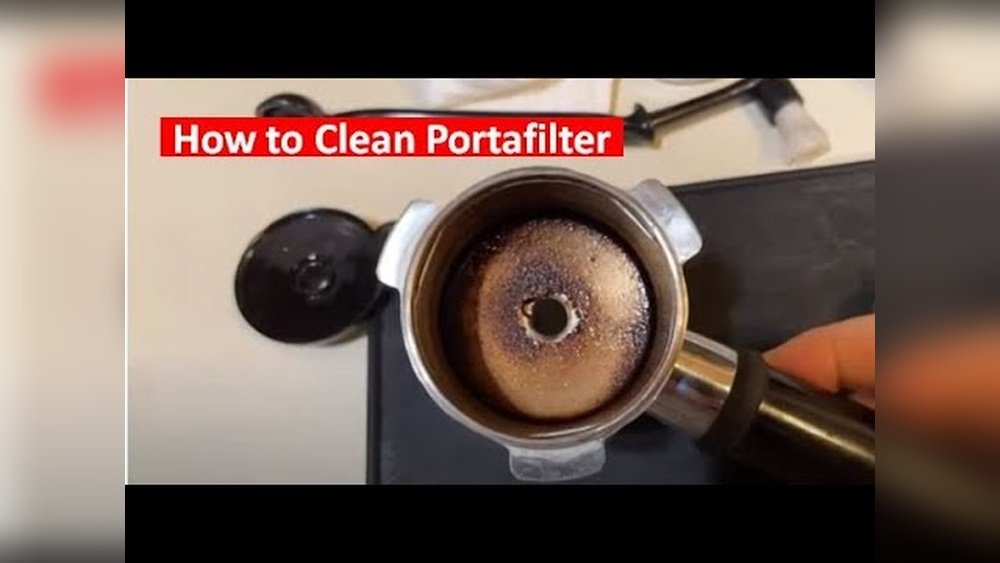
Keeping your espresso machine in top condition is not just about taste—it’s about performance, longevity, and safety. If you notice your espresso shots aren’t as rich or balanced as before, or water is dripping unevenly, your espresso filter may be clogged or dirty. Many beginners overlook this small part of their coffee setup, but the filter is where the magic happens: it holds back grounds, manages pressure, and lets just the right amount of liquid pass through.
Learning how to clean espresso filter properly saves you money, improves your espresso’s flavor, and even extends the life of your machine. If you’re new to espresso, the cleaning process may seem confusing or unnecessary. But cleaning is simple if you follow the right steps, and it’s one of the best habits you can develop as a coffee lover. In this guide, you’ll get a step-by-step approach, practical tips, and advice for different types of espresso filters. Whether you own a home machine or run a busy café, this article will help you clean your espresso filter like a pro.
Understanding The Espresso Filter
Before you start cleaning, it’s important to know what the espresso filter is and why it matters. The espresso filter—sometimes called a portafilter basket or group basket—is the small, often metal, cup that fits inside the portafilter. Ground coffee sits in this basket during brewing. Hot water passes through, extracting flavor, oils, and aroma, while the filter keeps grounds out of your cup.
Common Types Of Espresso Filters
Espresso machines use several types of filters:
- Single-shot baskets: Smaller capacity, designed for one espresso shot (typically 7-9 grams of coffee).
- Double-shot baskets: Hold more coffee (14-18 grams), for two shots or a stronger single shot.
- Pressurized baskets: Have a second wall or small outlet hole; help beginners get crema even with inconsistent tamping.
- Non-pressurized baskets: Standard in commercial machines; require proper grind and tamping technique.
- Pod baskets: Made for ESE (Easy Serving Espresso) pods; not used with ground coffee.
Understanding your filter type is essential because cleaning methods and tools can vary. For example, pressurized baskets may trap more oils due to their design.
Why Clean The Espresso Filter?
Even after one use, espresso filters can trap coffee oils, fine grounds, and minerals. Over time, this buildup can:
- Block water flow, causing weak or bitter espresso
- Grow mold or bacteria, risking your health
- Make it harder to tamp and extract properly
- Reduce the lifespan of your espresso machine
Regular cleaning ensures your espresso is safe, tasty, and consistent.
What You Need To Clean An Espresso Filter
The right tools make cleaning quick and effective. Here’s what you’ll need for most espresso filters:
- A small, stiff brush (nylon or metal, depending on filter type)
- A paperclip or pin (for cleaning tiny holes)
- Dish soap (mild, unscented)
- A soft sponge or cloth
- A bowl or container (for soaking)
- Descaling powder or espresso machine cleaning tablets (optional but recommended for deep cleaning)
- Hot water
Some advanced cleaning methods also use espresso backflush detergent, but this is only for machines with a three-way valve.
Choosing The Right Cleaning Solution
For most home users, mild dish soap works well. If you notice tough stains, use a cleaner made for coffee oils. Avoid harsh chemicals or bleach—these can damage the basket or leave dangerous residue.
Cleaning Frequency
How often you clean your espresso filter depends on use:
- After every shot: Quick rinse to remove grounds.
- Daily or after several shots: Full cleaning with soap and brush.
- Weekly or biweekly: Deep clean with soaking and descaling powder.
Baristas in coffee shops often clean filters several times a day.
Step-by-step: How To Clean Espresso Filter
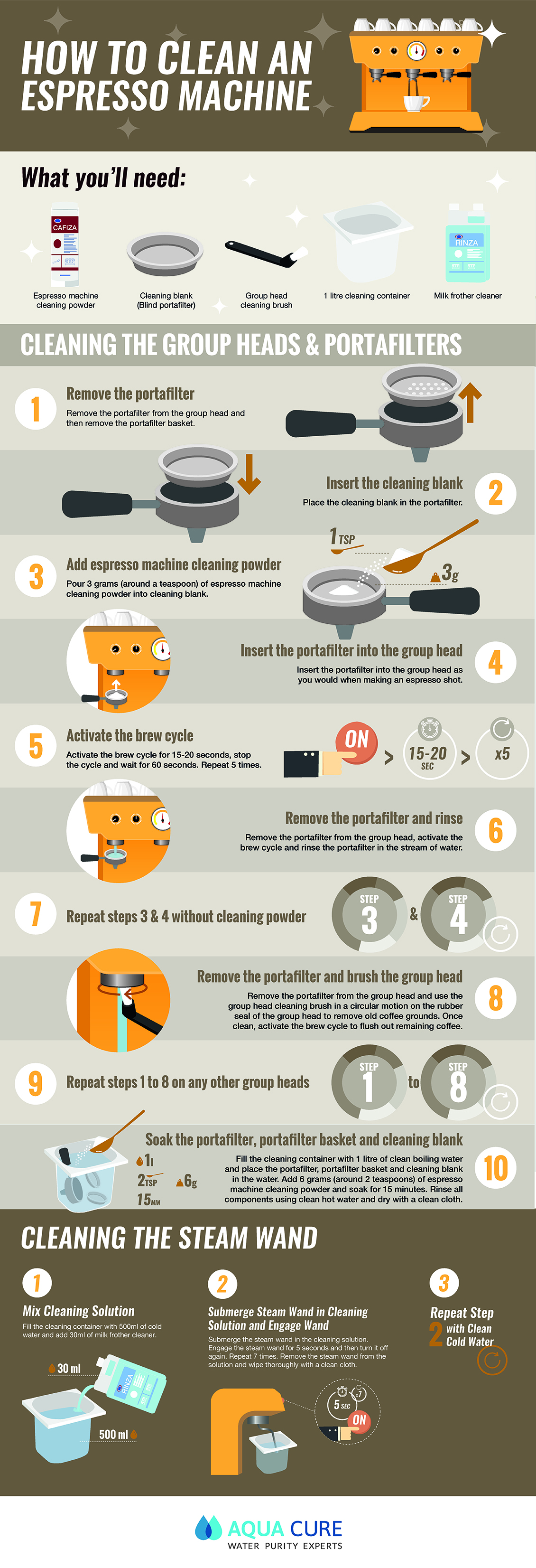
Cleaning an espresso filter is easy once you know the steps. Here’s a detailed process for manual cleaning, which works for most baskets.
1. Remove The Portafilter Basket
First, detach the portafilter from your machine. Hold it upside down and use your fingers or a small flat tool to pop out the metal basket. Some baskets fit tightly, so gentle pressure may be needed.
2. Discard Used Coffee Grounds
Tap the basket over a knock box or trash can to remove all loose grounds. If grounds are stuck, use a brush or toothpick to loosen them.
3. Rinse Under Warm Water
Run the basket under warm running water. This removes leftover grounds and some oils. Rotate and tap the basket to help water reach all holes.
4. Scrub With A Brush
Use a stiff-bristled brush to scrub the inside and outside of the basket. Pay special attention to the tiny holes at the bottom. If you see coffee oils or grounds stuck in the holes, move to the next step.
5. Unclog Holes With A Pin Or Paperclip
Hold the basket up to the light. If you see blocked holes, use a straightened paperclip or pin to clear each one. Work gently to avoid scratching the metal.
6. Soak In Soapy Water
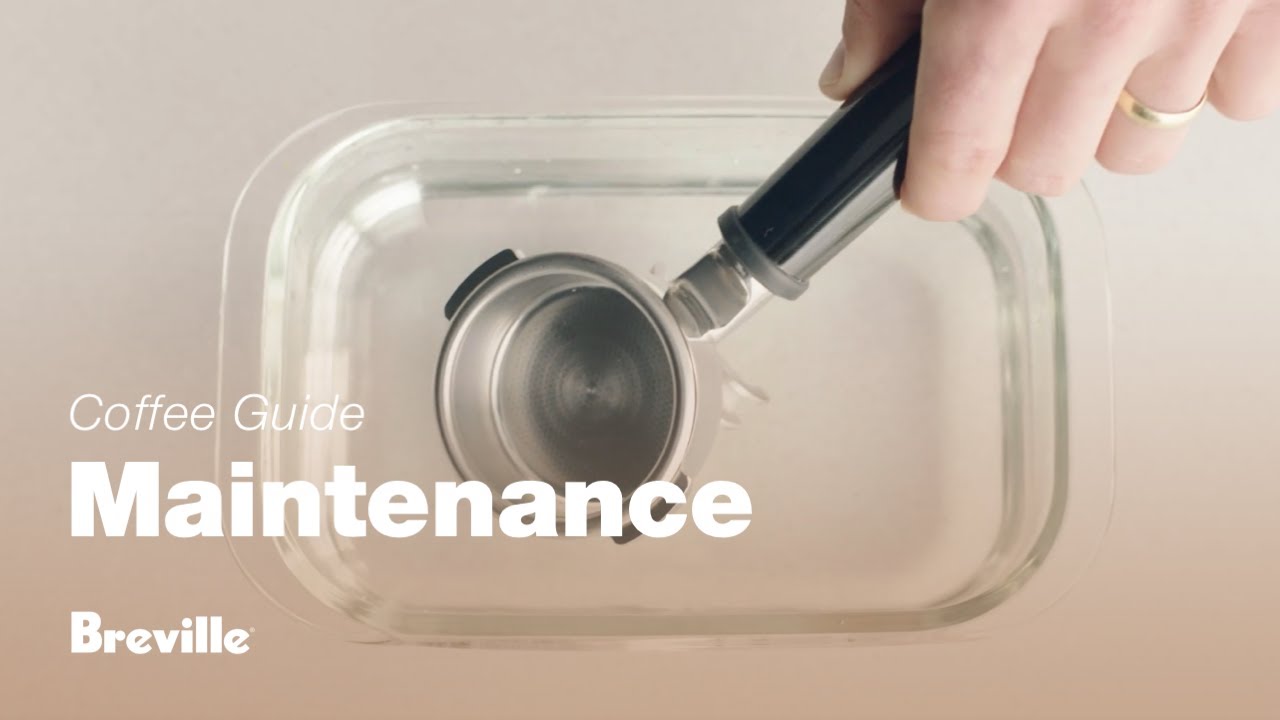
Fill a bowl with hot water and add a drop of mild dish soap. Place the filter basket in the water and let it soak for 10–15 minutes. This helps dissolve oils and stubborn residue.
7. Scrub Again And Rinse
After soaking, scrub the basket again with your brush. Rinse thoroughly under hot water until all soap is gone. Any leftover soap can affect taste.
8. Dry Completely
Shake off excess water and dry the basket with a clean towel. Air dry for a few minutes before reassembling.
9. Reassemble And Test
Place the clean basket back into the portafilter. Run a water-only shot through your machine to rinse any remaining residue. You’re ready for your next espresso.
Deep Cleaning Methods For Stubborn Filters
Sometimes, regular cleaning isn’t enough. If your espresso filter has heavy buildup or hasn’t been cleaned in weeks, try these deep cleaning methods.
Using Espresso Machine Cleaning Tablets
Many brands offer cleaning tablets made to dissolve coffee oils and residue.
- Dissolve one tablet in a bowl of hot water.
- Place the filter basket in the solution and soak for 20–30 minutes.
- Scrub and rinse as usual.
Descaling Powder Soak
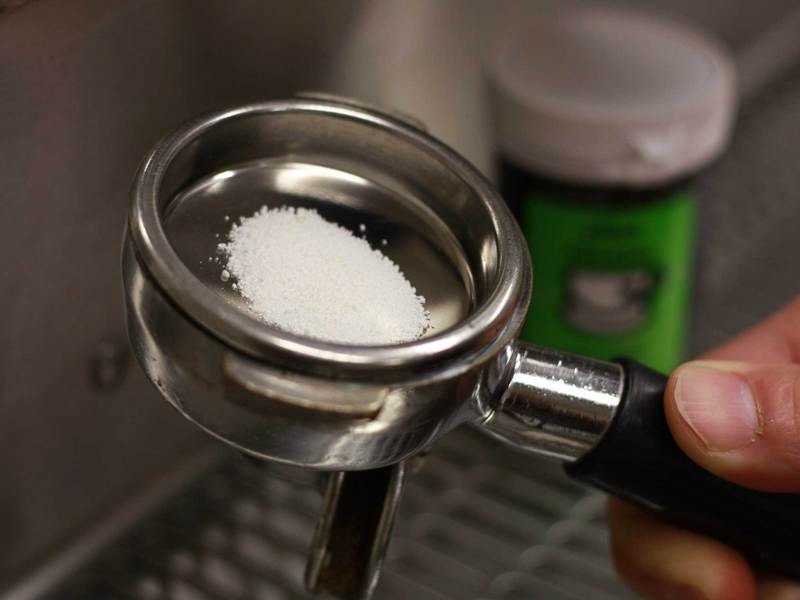
Descaling powder breaks down mineral deposits (scale) that can block filter holes.
- Mix descaling powder with hot water (follow package directions).
- Soak the basket for 15–20 minutes.
- Rinse thoroughly to remove all powder.
Baking Soda Paste
For eco-friendly cleaning, make a paste from baking soda and a little water. Scrub the filter with this paste to remove tough stains, then rinse well.
Boiling Water Method
If you have a metal filter (not plastic), you can boil it for 5–10 minutes. This loosens old coffee oils and dislodges fine particles. Be careful—boiling can damage plastic parts or non-metal filters.
Ultrasonic Cleaner (advanced)
Professional cafés sometimes use ultrasonic cleaners. These devices use sound waves to shake loose dirt and oil. While expensive, they’re effective for deep cleaning and safe for most metal filters.
Cleaning Different Types Of Espresso Filters
Cleaning methods can change depending on your filter basket type. Let’s look at some special cases.
Pressurized Baskets
Pressurized baskets have an extra wall or a tiny outlet hole. They’re designed to be more forgiving but can clog easily.
- Use a pin to clear the tiny outlet hole regularly.
- Soak in descaling powder monthly to prevent scale buildup.
- Avoid using oily or flavored coffee, which blocks these filters faster.
Non-pressurized Baskets
These are simpler to clean, as all holes are the same size. Regular brushing and soaking are usually enough.
Pod Baskets
Pod baskets may have rubber seals. Clean with mild soap and avoid soaking for long periods, as rubber can break down. Wipe with a damp cloth and let dry.
Bottomless (naked) Portafilter Baskets
These expose the bottom of the basket, making it easy to see if cleaning is needed. Clean after every use for best results.
Preventing Future Buildup
Keeping your espresso filter clean is easier than removing months of buildup. Here’s how to prevent future problems:
- Rinse after every use: Don’t let grounds dry in the basket.
- Use fresh, high-quality coffee: Stale or oily beans leave more residue.
- Avoid overfilling: Too much coffee gets packed into holes, making cleaning harder.
- Backflush your machine (if your model allows): This cleans the group head and filter area.
- Deep clean regularly: Mark a calendar for monthly descaling and soaking.
Common Mistakes When Cleaning Espresso Filters
Even experienced baristas can make errors that affect cleaning. Here are some pitfalls to avoid:
- Using harsh chemicals: Bleach and strong cleaners can corrode metal and leave unsafe residue.
- Scratching the basket: Metal brushes or sharp tools can damage the filter, making it harder to clean in the future.
- Skipping soaking: Scrubbing alone often misses built-up oils.
- Not rinsing soap completely: Leftover soap can ruin espresso flavor.
- Forgetting to dry: Moisture can lead to mold or rust, especially on steel filters.
Comparing Cleaning Tools And Methods
Not sure which tool or method is best? Here’s a quick comparison to help you choose:
| Cleaning Tool/Method | Effectiveness | Best For | Drawbacks |
|---|---|---|---|
| Stiff Brush | Good | Everyday cleaning | May miss fine clogs |
| Pin or Paperclip | Excellent for holes | Unclogging stubborn holes | Time-consuming |
| Soaking in Soap | Very Good | Light oil and coffee residue | Needs rinse after |
| Descaling Powder | Excellent | Mineral deposits | Must rinse thoroughly |
| Baking Soda Paste | Good | Eco-friendly cleaning | Less effective for heavy buildup |
| Ultrasonic Cleaner | Best | Deep cleaning (cafés) | Expensive, not for plastic |
Espresso Filter Cleaning Vs. Other Espresso Parts
How does cleaning the filter compare to other espresso machine parts? Here’s a breakdown:
| Part | Cleaning Frequency | Method | Importance |
|---|---|---|---|
| Filter Basket | Daily / After each use | Rinse, soak, brush | Very High |
| Portafilter Body | Weekly | Soak, brush | High |
| Group Head | Daily | Backflush, brush | Very High |
| Steam Wand | After every use | Wipe, purge | High |
| Drip Tray | Weekly | Wash with soap | Medium |
Signs Your Espresso Filter Needs Cleaning
Sometimes, it’s obvious your filter needs attention. Look for these signs:
- Slow water flow: Espresso takes much longer to brew than normal.
- Uneven extraction: Espresso comes out in spurts or at an angle.
- Bitter or off flavors: Old coffee oils and grounds spoil the taste.
- Visible buildup: You see dark, oily stains or stuck grounds.
- Unusual smells: Musty or sour odors indicate mold or bacteria.
If you notice any of these, clean your filter before making more espresso.
Credit: fivesenses.com.au
Troubleshooting: What If Problems Remain?
After cleaning, you might still have issues with your espresso. Here’s what to check:
- Is the filter basket damaged? Tiny dents or scratches can trap grounds.
- Are you using the right grind size? Too fine a grind can block holes.
- Is your water hard? Mineral deposits form quickly with hard water; descale more often.
- Are you cleaning other parts? A dirty group head or portafilter can re-contaminate your basket.
If none of these fix the problem, consider replacing the filter basket. They are inexpensive and widely available.
How Often Should You Replace Your Espresso Filter?
A well-maintained filter basket can last for years. However, if you see corrosion, warping, or persistent blockages that cleaning can’t fix, it’s time for a new one. Commercial cafés often replace baskets every 6–12 months; home users may go several years with proper care.
Expert Tips For Better Espresso Filter Maintenance
- Inspect your basket under bright light every week. This helps you spot buildup early.
- Rotate two baskets if you make espresso often. This gives you time to deep clean one while using the other.
- Never leave coffee grounds overnight. They dry and become much harder to remove.
- Keep a cleaning kit near your machine. A small brush and pin save time and encourage regular cleaning.
Environmental And Health Benefits
Regular filter cleaning doesn’t just boost flavor. It also:
- Reduces the risk of mold or bacteria, which can cause illness.
- Cuts down on waste—clean baskets last longer, so you replace them less often.
- Improves energy efficiency. A clogged filter makes your machine work harder, using more power.
Credit: www.aquacure.co.uk
Espresso Enthusiast Insights
Beginners often focus on beans and brewing techniques but forget that clean equipment is crucial for good espresso. Even small amounts of old coffee oil can make a fresh shot taste stale or bitter. Baristas know that a shiny, clean filter is the first step to café-quality espresso at home.
Another insight: some people notice their shots improve dramatically after a deep clean—even when they didn’t see much visible dirt. That’s because coffee oils are nearly invisible but have a big impact on taste and flow.
Resources For Further Learning
Want to dive deeper into espresso maintenance? Check out the cleaning guides and maintenance tips at the Home-Barista website, a trusted source for coffee enthusiasts.
Credit: www.youtube.com
Frequently Asked Questions
How Often Should I Clean My Espresso Filter?
Clean your filter basket after every shot by rinsing with water. Perform a deeper clean with soap and a brush daily or every few uses. For heavy use, soak in descaling powder or use cleaning tablets weekly or biweekly.
Can I Use Vinegar To Clean My Espresso Filter?
Vinegar can remove mineral deposits, but it may leave a strong smell and taste. It’s better to use descaling powder or a cleaner made for coffee equipment. If you do use vinegar, rinse thoroughly with water several times.
Is It Safe To Clean Espresso Filters In The Dishwasher?
Most metal filter baskets are dishwasher-safe. However, high heat and harsh detergents can cause discoloration or damage over time. Hand washing with mild soap is safer and more effective for removing coffee oils.
What If My Espresso Filter Holes Are Still Blocked After Cleaning?
Try soaking the basket in descaling powder or using a pin to clear each hole. If blockages remain after several attempts, the basket may be damaged or too clogged and should be replaced.
Do Reusable (metal) Filters For Other Coffee Makers Need The Same Cleaning?
Yes. Reusable filters for AeroPress, French press, or pour-over devices also need regular cleaning to prevent oil and grounds buildup. The cleaning process is similar: rinse, scrub, soak, and dry thoroughly.
A clean espresso filter is the foundation of every great shot. While it may seem like a small step, regular and thorough cleaning protects your machine, your health, and your coffee’s flavor. With the right tools and habits, you’ll enjoy better espresso, fewer problems, and a longer-lasting machine.
Take a few minutes each day for filter care—you’ll taste the difference in every cup.