
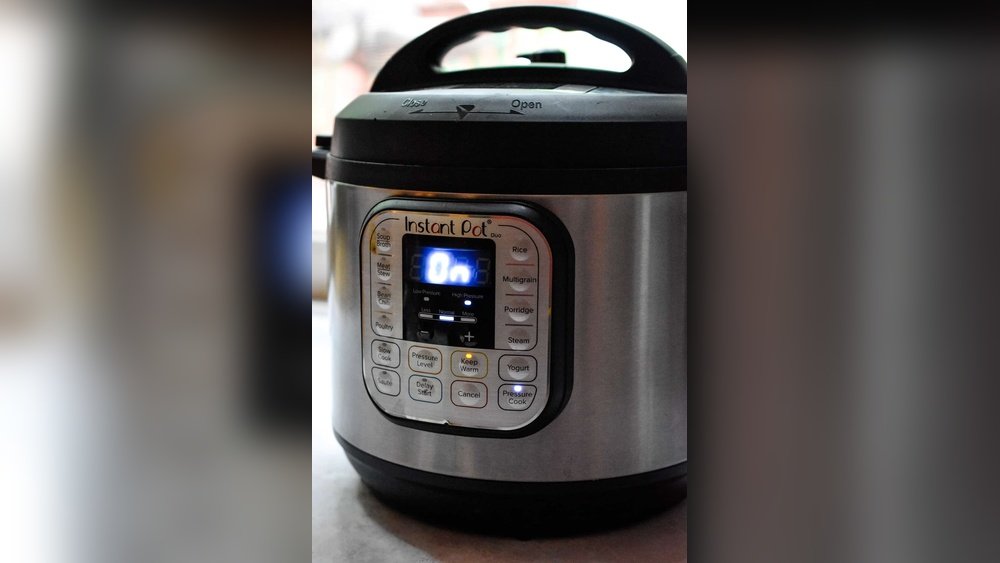
Boiling water is one of the simplest kitchen tasks, but using an Instant Pot—especially without the lid—can raise questions for even experienced cooks. Maybe you need boiled water for pasta, blanching vegetables, or making tea, but you’re unsure if using your Instant Pot without its lid is safe or effective. Many people believe Instant Pots are only for pressure cooking, but this electric cooker is more flexible than you might think.
This guide dives deep into how to boil water in an Instant Pot without the lid, step by step. You’ll learn not just the basics but also safety advice, common mistakes, and practical tips that most guides miss. We’ll also compare boiling water using the Instant Pot versus a stovetop or microwave, so you can choose the method that fits your needs. Whether you’re a college student, a busy parent, or simply curious, this article makes the process easy to understand and carry out.
Why Boil Water In An Instant Pot Without The Lid?
You might wonder why anyone would use an Instant Pot to boil water when there are other options. There are several reasons:
- No stovetop access: Some people live in dorms or travel in RVs where stovetops are unavailable.
- Safety: The Instant Pot has built-in temperature control, reducing the risk of burning water or forgetting a pot on the stove.
- Precision: When you need exact temperatures or keep water hot for a while, Instant Pot’s settings help.
- Convenience: The Instant Pot is already on your counter, so why not use it?
Boiling water without the lid is especially useful when you don’t need pressure cooking. It’s quicker to check on the water, add ingredients, or remove the pot when you’re ready.
Understanding How Instant Pot Heats Water
An Instant Pot is an electric multicooker. It has a stainless steel inner pot, a heating element at the bottom, and sensors to control temperature. When you use the “Sauté” or “Boil” function (some models use “Sauté” for boiling), the heating element brings water up to temperature.
Unlike pressure cooking, where the lid locks in steam to raise boiling point, boiling without the lid means water boils at its normal temperature—212°F (100°C) at sea level.
Key Differences From Stovetop Boiling
- Consistent temperature: The Instant Pot keeps the water at a steady boil, not rolling over or evaporating quickly.
- No open flame: This reduces the risk of accidents, especially in small kitchens.
- Heating area: The heating element is under the pot, not around its sides like a stovetop.
Step-by-step: How To Boil Water In Instant Pot Without Lid
Follow these instructions for safe and effective boiling. These steps work for any Instant Pot model, but wording on buttons may vary.
- Insert the inner pot: Make sure the stainless steel inner pot is clean and dry before use.
- Pour water into the pot: Add the amount you need. For most uses, 1–8 cups (250 mL to 2 L) is common. Never fill above the “Max” line.
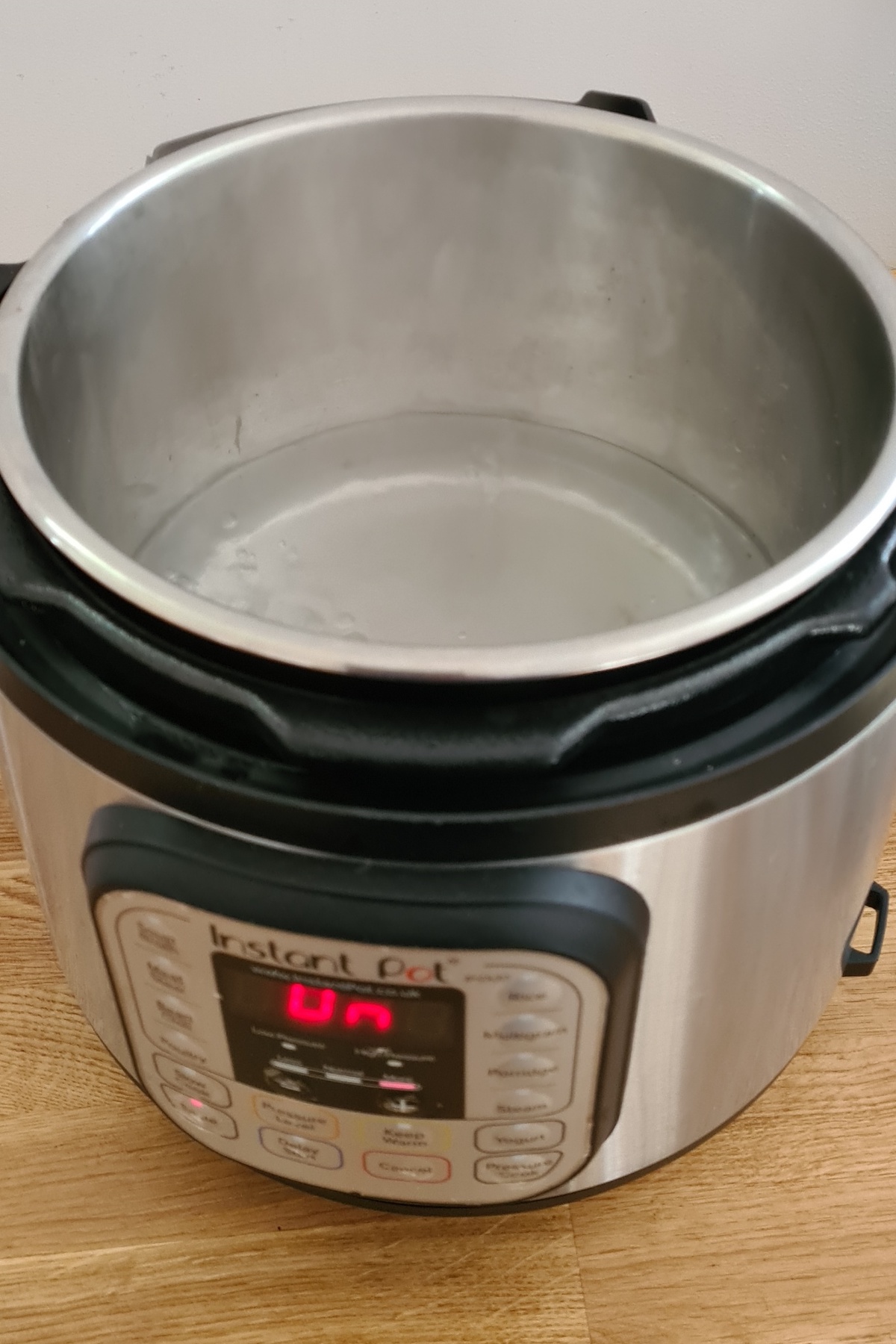
- Close the outer housing: Do not use the Instant Pot lid. Leave the pot open.
- Select “Sauté” function: Press the “Sauté” button. Some models have adjustable heat (Normal, More, Less). Use “More” for fastest boiling.
- Wait for water to boil: It takes about 5–10 minutes for 1–2 quarts (1–2 L) of water. You’ll see bubbles form at the bottom, then a rolling boil.
- Monitor closely: Without the lid, water boils faster but can evaporate more quickly. Watch for splashing.
- Turn off when ready: Press “Cancel” to stop heating. Use oven mitts to handle the hot inner pot.
Example: Boiling 4 Cups (1 Quart) Of Water
- Add 4 cups (about 1 liter) of water to the pot.
- Set to “Sauté” on “More.”
- In 7–8 minutes, you’ll see a steady boil.
- Ready for pasta, tea, or cleaning.
Essential Safety Tips
Boiling water without the lid is generally safe in an Instant Pot, but keep these points in mind:
- Never walk away: Open boiling can splash and spill. Stay nearby.
- Avoid overfilling: Water expands as it boils. Never fill above the “Max” line.
- Use oven mitts: The inner pot and steam can burn. Always lift with protection.
- Do not use pressure settings: The Instant Pot is not pressurized without the lid; pressure programs won’t work.
- Keep children away: Hot water is dangerous if spilled.
What Not To Do
Many beginners make these mistakes:
- Using the “Pressure Cook” function without the lid (it won’t work; the Instant Pot will beep or display an error).
- Leaving the water to boil until dry (this can damage the pot).
- Adding cold water to a hot, empty inner pot (can warp the steel).
- Using glass or non-metal containers inside the pot to boil water (only use the stainless steel inner pot).
Common Uses For Boiled Water In Instant Pot
Boiled water is needed for many kitchen tasks. Here’s where the Instant Pot shines:
- Blanching vegetables: Quickly soften veggies before freezing or using in recipes.
- Making pasta or noodles: Boil water, add pasta, cook until done.
- Preparing tea or coffee: Heat water to a boil, then pour over tea leaves or coffee grounds.
- Sterilizing utensils: Place small items in boiling water to sanitize (baby bottles, spoons, etc. ).
- Cleaning: Use boiled water to dissolve stains or clean tough pots.
- Oatmeal or grains: Start with boiled water for even cooking.
Comparing Boiling Water Methods
How does Instant Pot boiling (without lid) compare to the stovetop or microwave? Let’s look at time, energy use, and convenience.
| Method | Time (4 cups) | Energy Use | Ease of Use |
|---|---|---|---|
| Instant Pot (No Lid) | 7–8 minutes | Medium | Very Easy |
| Stovetop | 6–7 minutes | High | Easy, but needs attention |
| Microwave | 5–6 minutes | Low | Easy, but uneven boiling |
Note: Times can vary based on wattage, water temperature, and altitude.
Credit: instantpot.com
How Much Water Can You Safely Boil?
The Instant Pot inner pot has clear markings for minimum and maximum fill levels. For boiling water without the lid:
- Minimum: At least 1 cup (250 mL) is needed for the heating element to work safely.
- Maximum: Never fill above the “Max” line (usually 6 quarts for a 6-quart model).
Tip: Leave at least 2 inches of space at the top to avoid boiling over.
Why Not Fill To The Top?
Without the lid, water can splash out as it boils. Overfilling increases the risk of burns, mess, and possible damage to the Instant Pot.
Instant Pot Settings For Boiling Water
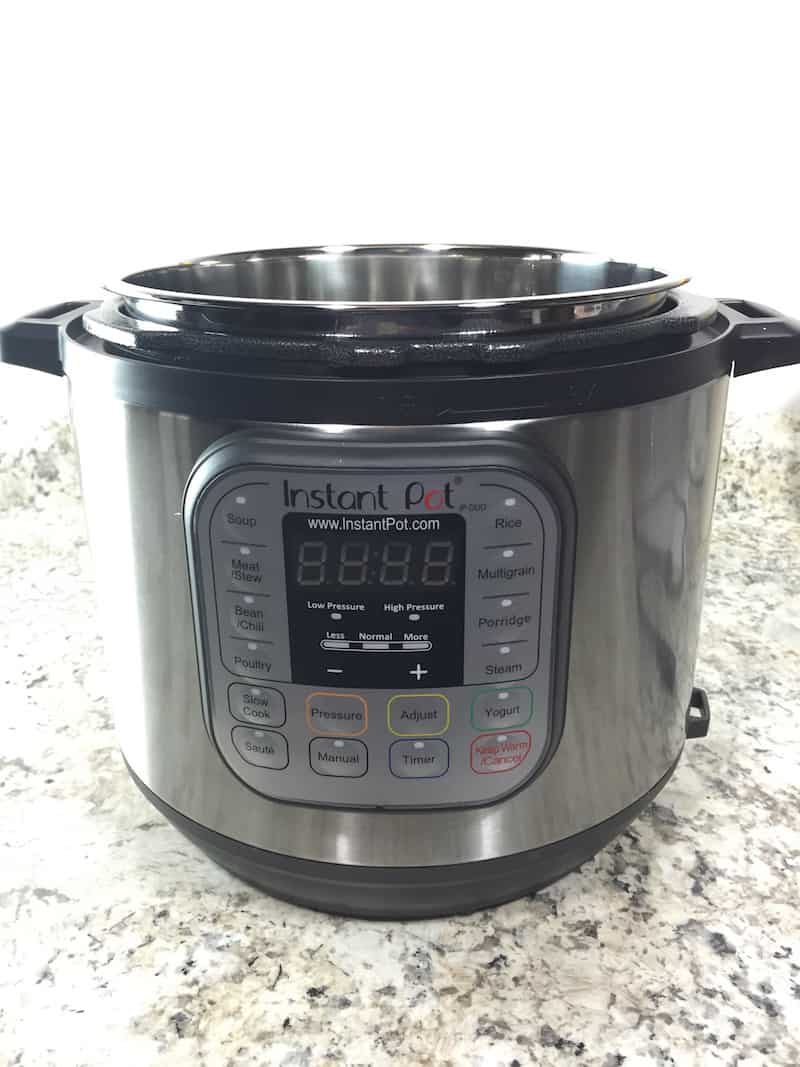
Most Instant Pot models don’t have a “Boil” button. Instead, you’ll use Sauté or, in rare cases, the “Keep Warm” function (for holding water at a hot, but not boiling, temperature).
Sauté Mode: The Best Option
- More: Heats fastest, brings water to a rolling boil.
- Normal: Good for simmering, not full boil.
- Less: Use for delicate tasks like melting butter or gentle warming.
Keep Warm Mode
This setting keeps water hot, but not boiling. Useful for serving hot drinks or holding water for later.
Advanced Tips For Better Boiling
Experienced cooks know a few tricks to make the process smoother:
- Preheat the inner pot: Run “Sauté” for 1 minute before adding water. This reduces time to boil.
- Use hot tap water: Starting with warmer water speeds up boiling.
- Cover with a silicone lid: If you have a safe, vented cover (not Instant Pot’s pressure lid), it can reduce evaporation and boil faster.
- Add salt for pasta: Just like stovetop boiling, a pinch of salt can improve flavor if you’re making noodles.
- Clean regularly: Mineral deposits from hard water can collect at the bottom. Wipe with vinegar every few weeks to keep the pot efficient.
- Monitor steam: In humid climates, steam can build up. Wipe away condensation to keep electronics safe.
Cleaning And Maintenance After Boiling Water
Boiling plain water is gentle on the Instant Pot, but regular cleaning keeps it working longer.
- Empty and dry: After boiling, remove leftover water and dry the inner pot.
- Check for mineral buildup: If you see white spots or film, use vinegar to dissolve them.
- Clean the heating element: Wipe the base (not the electronics) with a damp cloth if splashes occur.
- Inspect the rim: Water can collect in the rim. Wipe with a towel to prevent rust or mold.
How To Remove Hard Water Stains
If you live in an area with hard water, stains may build up. Here’s how to clean them:
- Fill the pot with 2 cups water + 1 cup vinegar.
- Set to “Sauté” and bring to a gentle boil.
- Let sit for 10 minutes, then pour out.
- Rinse and wipe dry.
Repeat as needed to keep the pot shiny and efficient.
Practical Examples: Everyday Uses
Instant Pot boiling isn’t just for recipes. Here are real-life situations where it helps:
- Dorm cooking: Many college dorms ban hot plates, but allow Instant Pots. Boil water for ramen, oatmeal, or instant coffee.
- Travelers: In an RV or hotel, use the Instant Pot to make hot drinks or sterilize water.
- Busy mornings: Boil water for breakfast tea or to prep eggs quickly.
- Baby care: Sterilize bottles or pacifiers by boiling water, then soaking for a few minutes.
- Batch cooking: Start grains like rice or barley with pre-boiled water for even texture.
Troubleshooting: If Water Won’t Boil
Sometimes, users find their Instant Pot isn’t boiling water as expected. Here’s what to check:
- Incorrect mode: Make sure you’re using “Sauté,” not “Keep Warm” or “Slow Cook.”
- Not enough water: Less than 1 cup may not trigger the heating element.
- Power issues: Check the outlet and cord for proper connection.
- Lid sensor error: Some models beep if the lid isn’t detected. Use “Sauté,” which works without a lid.
- Damaged inner pot: Warped or scratched pots can heat unevenly.
If you’ve checked all these and water still won’t boil, consult your Instant Pot’s manual or customer support.
Credit: cookfasteatwell.com
Energy Efficiency: Instant Pot Vs Other Methods
Is using the Instant Pot to boil water energy efficient? Let’s compare:
| Device | Power (Watt) | Avg. Time to Boil (4 cups) | Approx. kWh Used |
|---|---|---|---|
| Instant Pot | 1000 | 8 min | 0.13 |
| Stovetop (Electric) | 1500 | 7 min | 0.18 |
| Microwave | 1200 | 6 min | 0.12 |
Insight: The Instant Pot is slightly more efficient than an electric stovetop, but not as fast as a microwave. However, it offers better temperature control and is safer in shared spaces.
Non-obvious Insights For Beginners
Many guides miss these important details:
- Evaporation is faster without the lid. If you need a precise amount of water for a recipe, start with a little extra to account for loss during boiling.
- Instant Pot’s inner pot stays hot for a while. Even after you turn off “Sauté,” water can keep boiling for a few minutes. Move the pot off the base if you need to stop boiling immediately.
- Altitude affects boiling. At high elevations, water boils at a lower temperature. If you live above 2,000 feet, expect slightly longer boiling times and less vigorous boiling.
When Not To Use Instant Pot Without Lid
Although boiling water is safe, some tasks are better done with the lid on (pressure cooking rice, beans, or tough cuts of meat). Do not use the Instant Pot without its lid for:
- Pressure cooking (the pot won’t pressurize)
- Cooking foods that need high pressure
- Slow cooking with a full pot (risk of spills)
For boiling water, though, leaving the lid off is not only safe—it’s the best way.
Alternatives To Instant Pot For Boiling Water
If you don’t have an Instant Pot, here are other safe methods:
- Electric kettle: Fastest and safest for boiling water.
- Stovetop pot: Good for large amounts, but needs supervision.
- Microwave: Fast but can boil unevenly; always use microwave-safe containers.
Each method has pros and cons. The Instant Pot stands out for hands-off cooking and safety features.
For more about electric kettles and boiling points, see Wikipedia’s article on boiling.
Credit: recipesfromapantry.com
Frequently Asked Questions
Is It Safe To Boil Water In An Instant Pot Without The Lid?
Yes, it is safe. The Instant Pot’s “Sauté” function is designed for open cooking. The heating element is well-protected, and the stainless steel pot is made for direct boiling. Just avoid overfilling or leaving the pot unattended.
How Long Does It Take To Boil Water In An Instant Pot Without The Lid?
For 4 cups (1 quart) of water, it usually takes 7–8 minutes on the “Sauté” (More) setting. Times may vary depending on the starting water temperature and your Instant Pot model.
Can I Sterilize Baby Bottles By Boiling Water In The Instant Pot?
Yes. Boil enough water to cover the items, then soak bottles or utensils for at least 5 minutes in the boiling water. This kills most bacteria and germs. Always check manufacturer instructions for your baby items.
Why Won’t My Instant Pot Boil Water Without The Lid?
Check your settings. Only the “Sauté” function works without the lid. If you use “Pressure Cook” or “Steam,” the pot expects the lid to be closed and will not start. Also, make sure there is enough water (at least 1 cup).
Does Boiling Water In The Instant Pot Leave Mineral Deposits?
If you have hard water, some minerals may collect on the bottom of the inner pot. These are harmless but can be removed with vinegar and water. Regular cleaning prevents buildup and keeps your Instant Pot working efficiently.
Boiling water in your Instant Pot without the lid is simple, safe, and flexible. With these tips, you’ll get the most from your appliance—whether you’re making tea, pasta, or just need hot water in a hurry. The Instant Pot truly shines as a kitchen multitasker, making everyday cooking tasks easier for everyone.