
If you’ve invested in a Viking stove top, you know it’s more than just a kitchen appliance. It’s a centerpiece for home cooking, built to deliver professional results and a joy to use—until grease, spills, and stains build up. Many Viking stove owners worry about damaging their high-end equipment or making mistakes that lead to costly repairs. But with the right approach, cleaning your Viking stove top can be safe, easy, and even a little satisfying.
This guide will take you through every detail: what products to use, which tools work best, how to tackle stubborn messes, and how to avoid common mistakes. Whether you have a Viking gas, electric, or induction cooktop, you’ll learn the steps to keep it spotless and functioning at its best. Even if you’re new to Viking appliances, you’ll pick up practical tips to make your cleaning routine efficient and stress-free.
Understanding Your Viking Stove Top
Before you start scrubbing, it’s important to know what makes a Viking stove top unique. Viking offers several types, including sealed gas burners, electric coil tops, and induction glass surfaces. Each has its own cleaning needs.
- Sealed gas burners: Most common in residential Viking ranges. Burners are sealed to prevent spills from getting inside. Grates and burner caps are removable.
- Electric coil tops: Less common, but some Viking models use these. Coils can be lifted, and drip pans are removable.
- Induction glass tops: Smooth, flat surfaces that heat pans using electromagnetic energy. Require gentle cleaning to avoid scratches.
Knowing your stove type helps you choose the safest cleaning methods and avoid accidental damage.
Why Proper Cleaning Matters
Many people clean their stove tops only when there’s a visible mess. But for a Viking, regular cleaning does more than improve looks:
- Prevents stains and permanent discoloration
- Improves heating efficiency
- Reduces fire risk from built-up grease
- Extends the lifespan of your appliance
In a survey by the Association of Home Appliance Manufacturers, 65% of appliance issues were linked to poor cleaning and maintenance. For Viking owners, skipping regular care can lead to expensive service calls.
Essential Supplies And Tools
Using the right supplies protects your Viking stove top from scratches and corrosion. Here’s what you’ll need:
- Soft microfiber cloths: Avoid paper towels, which can scratch surfaces.
- Non-abrasive sponge: For tougher spots.
- Small soft brush or old toothbrush: Reaches into crevices.
- Mild dish soap: Cuts grease without harming finishes.
- White vinegar: Natural degreaser.
- Baking soda: Gentle abrasive for stubborn stains.
- Spray bottle with water: For rinsing.
- Plastic scraper: For glass tops, to remove burnt-on food.
- Q-tips or cotton swabs: For tight spaces.
Never use steel wool, metal brushes, or harsh chemicals like ammonia or oven cleaner, as these can damage Viking finishes.
Safety First: Preparation Steps
Before you start cleaning, always:
- Turn off all burners and let the stove cool completely. Hot surfaces cause burns and can make cleaning solutions evaporate too quickly.
- Unplug electric stove tops if your model allows. For gas stoves, make sure all controls are off.
- Remove grates, burner caps, and knobs (if removable) to clean separately.
- Ventilate your kitchen. Open windows or use the exhaust fan, especially if you’re using vinegar or commercial cleaners.

Credit: www.youtube.com
Step-by-step Cleaning For Each Viking Stove Top Type
Cleaning A Viking Gas Stove Top
1. Remove Grates And Burner Caps
Lift off the heavy cast-iron grates and set them in the sink. Take off burner caps and heads if removable. Handle with care—these parts are sturdy but can chip if dropped.
2. Soak Grates And Burner Caps
Place them in hot, soapy water. Let soak for 15–30 minutes. This loosens baked-on food and grease.
3. Clean The Surface
Wipe the stove top with a damp microfiber cloth to remove crumbs. Mix a few drops of dish soap with warm water. Dip a sponge and gently scrub the surface, focusing on spills and stains.
For stubborn spots, sprinkle a little baking soda, then scrub with a damp sponge. If there’s burnt-on residue, lay a wet, soapy towel over the spot for 10 minutes to soften it before wiping.
4. Tackle Burner Heads And Ports
Use a soft brush or old toothbrush to clean the burner heads and ports. If ports are clogged, gently clear them with a toothpick or straightened paperclip—never use anything metal that could widen the holes.
5. Rinse And Dry
Use a clean, damp cloth to wipe away soap and residue. Dry with a microfiber cloth to avoid water spots.
6. Wash Grates And Burner Caps
Scrub soaked grates and burner caps with a soft brush. For tough stains, make a paste of baking soda and water. Let sit for 10 minutes, then scrub and rinse well.
7. Reassemble
Let all parts dry completely, then put everything back in place. Wet grates or burner heads can cause poor ignition or rust.
Cleaning A Viking Electric Coil Stove Top
1. Remove Coils And Drip Pans
Unplug the stove or turn off the power. Gently lift coils and unplug if possible. Remove drip pans beneath.
2. Clean Drip Pans
Soak in hot, soapy water for 20 minutes. Scrub with a sponge or brush. For burned-on residue, use a baking soda paste.
3. Wipe Surface
Use a damp, soapy cloth to clean the stove surface. Avoid getting the electrical connections wet.
4. Clean Coils
Wipe coils with a damp cloth. Do not submerge or soak coils in water; moisture can cause shorts.
5. Dry And Reassemble
Ensure all parts are dry before reassembling.
Cleaning A Viking Induction Or Glass Top
1. Remove Loose Debris
Wipe the cool surface with a dry microfiber cloth.
2. Apply Cleaner
Spray with a 1:1 solution of vinegar and water or use a cleaner made for glass cooktops. Avoid abrasive pads.
3. Remove Stubborn Stains
For stuck-on food, sprinkle baking soda on the spot. Lay a damp towel over it for 10 minutes. Gently scrape with a plastic scraper at a 45-degree angle.
4. Polish
Buff dry with a clean microfiber cloth for a streak-free shine.
Viking Stove Top Cleaning Comparison
Here’s a quick comparison of cleaning approaches for each Viking stove top type:
| Stove Top Type | Main Cleaning Steps | Key Cautions |
|---|---|---|
| Gas (Sealed Burner) | Remove grates, soak, scrub surface, clean burners, dry, reassemble | Don’t use metal tools or harsh chemicals |
| Electric Coil | Unplug, remove coils and drip pans, soak pans, wipe surface, dry | Don’t submerge coils or get connectors wet |
| Induction/Glass | Wipe debris, use vinegar spray, baking soda for stains, polish | No abrasives or sharp scrapers |
Deep Cleaning For Stubborn Messes
Sometimes, regular cleaning isn’t enough—especially after a big meal or if you’ve ignored spills for a while. Here’s how to handle the toughest messes:
Burnt-on Food
- For gas stove tops, cover the area with a wet, soapy towel for 15 minutes, then wipe and repeat as needed.
- On glass tops, sprinkle baking soda, cover with a damp towel, and after 10 minutes, use a plastic scraper gently.
Grease Buildup
- Use a vinegar-water spray (equal parts) to break down grease.
- For grates, use a baking soda paste and scrub with a nylon brush.
Discoloration Or Cloudy Spots
- On stainless steel, rub with a small amount of vinegar, rinse, and buff dry.
- For glass, use a specialized cooktop cleaner and polish.
Cleaning Knobs And Control Panels
- Remove knobs if possible.
- Clean with soapy water and a soft cloth; avoid spraying cleaner directly onto panels.
- Use a cotton swab for tight spaces.
Ventilation Grates And Hood
- Wipe down with a damp, soapy cloth.
- For removable metal filters, soak in hot, soapy water and rinse well.
Deep Cleaning Frequency Table
How often should you deep clean each part of your Viking stove top? Here’s a guide:
| Part | Deep Clean Frequency | Notes |
|---|---|---|
| Grates & Burner Caps | Every 2 weeks | More if heavy use |
| Burner Heads | Monthly | Check for clogs |
| Knobs & Control Panel | Monthly | Wipe after spills |
| Glass/Induction Surface | Weekly | Avoid buildup |
Preventing Damage: What Not To Do
Many Viking owners make cleaning mistakes that can cause lasting harm. Here’s what to avoid:
- Never use steel wool or abrasive pads. They scratch and dull surfaces.
- Skip oven cleaner. It can strip enamel and damage finishes.
- Don’t let water sit. Prolonged moisture can rust cast iron grates and damage electronics.
- Don’t force clogged ports. Widening burner holes ruins performance.
- Don’t use bleach or ammonia. These chemicals corrode metal parts and discolor stainless steel.
A non-obvious tip: Some cleaning wipes contain alcohol or harsh chemicals that can damage rubber gaskets around burners. Always read the label before use.
Quick Daily Cleaning Routine
Keeping your Viking stove top clean day-to-day is easier than a big weekly scrub. Here’s a simple routine:
- Wipe after each use: Once the stove is cool, use a damp microfiber cloth to wipe spills and crumbs.
- Dry thoroughly: Prevents water spots and rust.
- Check burner ports: If a flame looks uneven, check for debris and clean gently.
This habit only takes 2–3 minutes but prevents tough buildup.

Credit: www.reddit.com
Monthly And Seasonal Maintenance
Beyond daily cleaning, some care tasks should be done monthly or seasonally:
- Inspect gas lines and connections (if accessible) for leaks or wear.
- Check ignition and flame quality. A weak or yellow flame may mean clogged ports.
- Clean under the stove top. Many Viking models allow you to lift the surface for access.
- Review your user manual for any specific care tips from Viking.
Dealing With Common Viking Stove Top Issues
Uneven Flame Or Poor Ignition
- Most often caused by clogged burner ports.
- Clean with a soft brush or toothpick (never a metal tool).
Rust Or Discoloration
- Rust on grates: Clean with a baking soda paste, rinse, and dry completely. Lightly oil grates with vegetable oil before reassembly.
- Discoloration on stainless steel: Use a stainless steel polish and buff with the grain.
Scratches On Glass Tops
- Most scratches are permanent. Prevent them by never sliding pans across the surface and using only soft cloths for cleaning.
Odors After Cleaning
- If you smell cleaner or vinegar after cleaning, wipe again with a damp cloth and dry. Avoid using too much product.
Choosing The Right Cleaning Products
The market is full of products claiming to be “safe” for high-end stove tops. For Vikings, stick to:
- Mild dish soap: Best for most surfaces.
- White vinegar: Cuts through grease and leaves no residue.
- Baking soda: Gentle abrasive for tough spots.
- Specialty glass cooktop cleaners: For induction/glass surfaces.
Avoid products with chlorine, bleach, or ammonia. If unsure, test a new product on a small, hidden area first.
Professional Cleaning Vs. Diy
For most Viking stove tops, regular home cleaning is enough. But if you have deep stains, damage, or a major spill (like sugar or syrup on a glass top), professional cleaning may be needed.
Professional cleaners use specialized tools and products. They can also check for issues like gas leaks or ignition problems. The average cost for professional stove top cleaning in the US is $75–$150 per visit.
However, most owners can keep their Viking stove top looking new with the steps in this guide.
Troubleshooting: When To Call For Service
If you notice any of the following, stop cleaning and call a professional:
- Gas smell at any time
- Burners won’t ignite after cleaning and drying
- Electrical sparks or shorting
- Glass top cracks or chips
- Persistent rust or corrosion
These issues can be dangerous if not handled by an expert.
Viking Stove Top Cleaning: Myths Vs. Facts
Many people believe certain myths about cleaning high-end stove tops. Here are a few, with the truth:
- Myth: You should let grates “season” with grease for non-stick cooking.
Fact: Grease buildup can cause fires and damage the finish.
- Myth: All-purpose cleaners work on Viking stove tops.
Fact: Many contain abrasives or chemicals that harm surfaces.
- Myth: It’s safe to clean burners while they’re warm.
Fact: Cleaning hot surfaces risks burns and damages finishes.
Viking Stove Top Cleaning Products: Comparison
To help you choose, here’s a look at how popular cleaning solutions perform on Viking stove tops:
| Product | Best For | Pros | Cons |
|---|---|---|---|
| Mild Dish Soap | All surfaces | Gentle, cheap, effective | May not remove burnt-on stains |
| White Vinegar | Grease, odor | Natural, no residue | Strong smell |
| Baking Soda | Burnt-on food | Gentle abrasive | Can leave white film if not rinsed |
| Glass Cooktop Cleaner | Induction/glass | Streak-free, removes haze | Not for gas or electric coils |
Two Non-obvious Tips For Viking Stove Top Owners
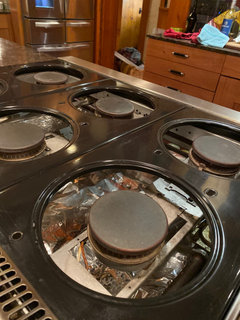
- Rubber feet on Viking grates can trap water and cause rust underneath. After washing, lift and shake grates to remove trapped water, then dry upside down before reassembling.
- Don’t let acidic foods (like tomato sauce) sit on stainless steel. They can cause pitting and discoloration if not cleaned quickly.
Credit: www.houzz.com
Keeping Your Viking Looking Like New
The real secret to a spotless Viking stove top isn’t hard work—it’s consistency. Quick daily care, proper products, and gentle tools make the job easy. And when you do need to deep clean, the steps above will help you do it safely and effectively.
For more maintenance tips and official care guides, the Viking Range official site is a valuable resource.
Frequently Asked Questions
What Is The Safest Cleaner For A Viking Stove Top?
The safest option is mild dish soap mixed with warm water. For tougher stains, white vinegar or baking soda can be used. Avoid harsh chemicals and abrasives.
Can I Put Viking Stove Grates In The Dishwasher?
Most Viking grates are not dishwasher safe. The high heat and detergent can damage the enamel or cast iron. Hand washing with a soft brush and mild soap is best.
How Do I Remove Burnt-on Food From A Glass Viking Stove Top?
Sprinkle baking soda on the spot, cover with a damp towel for 10 minutes, then gently scrape with a plastic scraper. Avoid metal tools to prevent scratches.
Why Does My Viking Stove Top Have A Yellow Flame After Cleaning?
A yellow flame often means the burner ports are clogged. Clean with a brush or toothpick and ensure all parts are dry before reassembling.
How Often Should I Deep Clean My Viking Stove Top?
Deep cleaning is recommended every two weeks for grates and burner caps, and monthly for burner heads and control panels. Adjust based on how often you cook.
With these steps and insights, you’ll keep your Viking stove top spotless, safe, and ready for your next culinary creation. Regular care not only preserves beauty but protects your investment for years to come.