
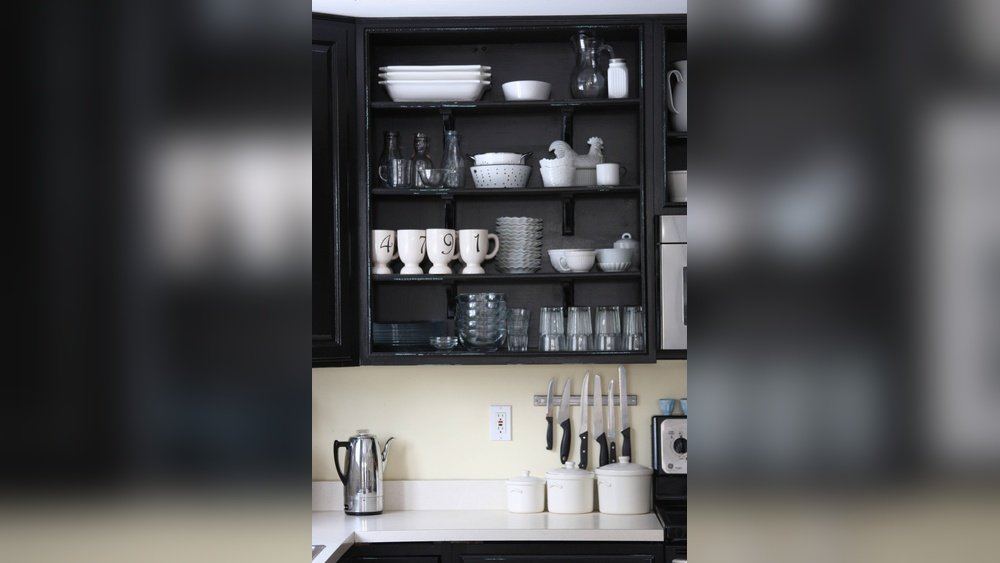
Removing a kitchen cabinet door sounds simple, but there is more to it than just turning a screwdriver. Whether you want to paint your cabinets, repair a hinge, or replace a door, doing the job right matters. Many people damage their cabinets or struggle with reinstalling the doors because they miss basic steps or don’t understand their hinge type. Good news: with the right guidance, anyone can remove a cabinet door safely and quickly, even if you have little experience with tools.
This guide will walk you through each stage, from preparation to troubleshooting. You’ll learn how to spot different hinge types, which tools to use, and how to avoid scratches and misalignment. Along the way, you’ll discover tips that even many DIYers miss, like how to prevent door sagging and keep your hardware organized.
By the end, you’ll know exactly how to remove a kitchen cabinet door without guesswork or stress.
Why Remove A Kitchen Cabinet Door?
People remove cabinet doors for many reasons. Some want to paint or refinish their kitchen. Others need to replace broken hinges or upgrade to soft-close hardware. Sometimes, a door gets damaged and needs fixing, or you might want to swap your doors for a new style.
Removing the door gives you full access to the cabinet frame and makes cleaning, sanding, or painting much easier. It can also help you fix problems like sticky or crooked doors. If you plan to replace doors or hardware, removal is the first step.
But even a small mistake—like stripping a screw or cracking the wood—can turn a simple job into a bigger problem. That’s why it’s important to follow the right steps and understand your cabinet’s design.
Tools And Supplies You’ll Need
Before you start, gather all your tools and materials. Having everything ready saves time and prevents frustration. Here’s what most people need for removing a kitchen cabinet door:
- Screwdriver: Most cabinet hinges use a Phillips or flat-head screwdriver. A cordless drill with the correct bit can speed up the process, but a manual screwdriver gives you better control and reduces the risk of damage.
- Step stool or sturdy chair: For upper cabinets, especially if you can’t reach the top hinges easily.
- Container or small bag: To hold screws and hardware. Using a cup, sandwich bag, or even a bowl works.
- Tape (optional): Masking or painter’s tape helps mark hinge positions or attach screws to the door for safekeeping.
- Pen or pencil (optional): To mark hinge positions or label doors and hardware.
- Soft cloth or towel: To protect countertops and doors during removal.
Some cabinets use specialty hardware, like European-style concealed hinges or soft-close mechanisms. If you’re unsure, check what type you have first.
:strip_icc()/cottage-cabinets-3IQbGySTKny84n0kfQ4KRZ-c38eb69084b04a2084552e50144d8465.jpg)
Credit: www.bhg.com
Understanding Your Cabinet And Hinge Types
Not all kitchen cabinets are built the same. Knowing your hinge type helps you remove the door without damaging the cabinet or the hinges. Here are the most common types:
Face-frame Vs. Frameless Cabinets
- Face-frame cabinets: These have a wooden frame around the front edge. Hinges are usually attached to the frame.
- Frameless (Euro-style) cabinets: No front frame; hinges are attached directly to the cabinet box.
Common Hinge Types
- Exposed (surface mount) hinges: Visible from the outside. Easy to remove—just unscrew from both the door and frame.
- Concealed (European) hinges: Hidden when the door is closed. Usually found inside the cabinet. Removal is slightly different; some have a quick-release clip.
- Inset hinges: The door sits flush with the frame. These require more careful unscrewing, as alignment can be tricky.
- Overlay hinges: The door overlays the frame. These are the most common in modern kitchens.
- Soft-close hinges: Often a type of concealed hinge, with a built-in damper. They may have extra parts.
Knowing your hinge type makes the process smoother. If you don’t know, open the cabinet and look at how the hinge is attached.
Step-by-step Guide: How To Remove A Kitchen Cabinet Door
Let’s get started with the actual process. Follow these steps for a safe and clean removal.
1. Clear The Workspace
Remove any items from inside the cabinet and on the countertop below. This prevents things from falling or getting in the way. If your kitchen is small, move any nearby obstacles like chairs or appliances.
2. Support The Door
Open the cabinet door fully. If the door is large or heavy, ask someone to help support it while you remove the screws. This prevents the door from falling or twisting.
For upper cabinets, use a step stool to reach the top hinge comfortably. Never stretch or stand on an unstable surface.
3. Identify And Mark Hinge Placement
Before unscrewing, use a pencil or masking tape to mark the location of each hinge on the cabinet frame. This makes it easier to reinstall the door in the exact position, avoiding misalignment.
If you’re removing multiple doors, number each door and the matching cabinet with tape or sticky notes.
4. Unscrew The Hinges
Start with the bottom hinge. Hold the screwdriver firmly and turn counterclockwise. If using a drill, set it to a low speed to avoid stripping the screw.
- For exposed hinges, remove the screws from both the door and cabinet frame.
- For concealed European hinges, look for a release tab or lever. Many allow you to detach the door without removing screws from the frame. If not, unscrew from the door side first.
Once the bottom hinge is free, move to the top hinge. Support the door as you work to prevent it from dropping.
Example: Removing A Concealed Hinge
Most European hinges have a small lever you can press to release the door. Press the lever, and the door will pop off the hinge while the hinge arm stays attached to the cabinet. This is much faster than unscrewing, but not all hinges have this feature.
5. Remove The Door
After all screws or clips are released, gently pull the door away from the cabinet. Place it on a soft surface, like a towel or blanket, to avoid scratches.
6. Store Screws And Hardware
Put all screws, hinge plates, and other hardware into your container or bag. If you’re removing more than one door, keep each set of hardware with its door to avoid mixing them up.
A practical tip: tape the screws to the back of the door or label each bag. This saves time when reinstalling.
7. Inspect The Door And Cabinet
Look for any damage, stripped screw holes, or worn hinges. If you notice loose screw holes, you can repair them with wood filler or toothpicks and glue.
If you’re planning to paint or refinish, now is the time to clean the surfaces and remove any old tape or adhesive.
Table: Common Hinge Types And Their Removal Methods
Here’s a quick comparison of hinge types and the best way to remove each.
| Hinge Type | Visible When Closed? | Best Removal Method | Special Tips |
|---|---|---|---|
| Exposed (Surface Mount) | Yes | Unscrew from frame and door | Mark hinge location before removal |
| Concealed (European) | No | Release lever or unscrew from door | Check for quick-release tab |
| Inset | Yes/No | Unscrew carefully | Be gentle to avoid misalignment |
| Overlay | Sometimes | Unscrew from frame and door | Number doors for easy reinstallation |
| Soft-Close | No | Check for extra screws or tabs | Keep all small parts safe |
Advanced Tips For Removing Kitchen Cabinet Doors
Even a simple job can go wrong if you miss small details. Here are some advanced tips that make the process smoother and help you avoid common mistakes.
Marking For Reinstallation
Always mark or photograph the position of each hinge. Even small changes in placement can cause doors to hang unevenly or rub against each other. A phone photo is a quick way to remember how everything looked before.
Handling Old Or Painted-over Screws
If your kitchen is older, screws might be painted over or rusted. Use a small utility knife to score around the screw head before removing it. Apply gentle pressure to avoid chipping the paint or damaging the cabinet.
Dealing With Stubborn Hinges
Some hinges, especially on older cabinets, may be stuck due to paint, debris, or rust. Spray a little WD-40 or similar lubricant on the screw and let it sit for a few minutes. Use the correct screwdriver—forcing the wrong size can strip the head.
Avoiding Door Sagging
When removing large or heavy doors, always support the door’s weight. Removing the top hinge first can cause the door to swing or fall, damaging the cabinet or floor.
Organizing Hardware
Don’t mix hardware from different doors, as sizes and screws can vary even in the same kitchen. Use separate containers or label hardware bags clearly.
What To Do After Removal
Once your cabinet door is off, you might want to:
- Paint or refinish: Clean the door thoroughly and sand it lightly before painting.
- Repair or replace hinges: If hinges are loose or bent, now is the time to upgrade them.
- Install new hardware: Consider soft-close hinges for quieter cabinets.
- Deep clean the cabinet: With the door off, it’s easier to clean corners and shelves.
If you plan to reinstall the same door, keep everything together and avoid bending the hinges during storage.
Table: Time And Difficulty By Hinge Type
Different hinge types and cabinet designs affect how long and difficult the removal will be. Here’s a quick comparison.
| Hinge Type | Average Time (per door) | Difficulty (1-5) | Best For Beginners? |
|---|---|---|---|
| Exposed (Surface Mount) | 5 minutes | 1 | Yes |
| Concealed (European, quick-release) | 2 minutes | 1 | Yes |
| Concealed (no quick-release) | 6 minutes | 2 | Yes |
| Inset or old-style | 10+ minutes | 3 | No |
| Soft-Close with extra parts | 8 minutes | 3 | Maybe |

Credit: www.reddit.com
Common Mistakes And How To Avoid Them
Even careful people make mistakes when removing cabinet doors. Here are problems to watch out for:
- Stripping Screws: Using the wrong screwdriver size or too much force can strip the screw head. Always use the correct tool and apply steady pressure.
- Losing Hardware: Small screws and hinge plates get lost easily. Use a container and label everything.
- Damaging the Finish: Dropping the door or hardware can scratch wood or paint. Always lay removed doors on a soft surface and work slowly.
- Forgetting Hinge Positions: Skipping the marking step can make reinstallation difficult. Mark or photograph before removing anything.
- Overtightening When Reinstalling: When you put the door back, overtightening screws can strip the holes or crack the wood.
Safety Considerations
Working with tools always carries some risk. Here’s how to protect yourself and your kitchen:
- Wear safety glasses if you’ll be working above your head.
- Keep tools out of the reach of children and pets.
- Don’t rush—accidents happen when people work too quickly.
- For tall or heavy cabinet doors, always ask for help. It’s safer and protects your cabinets.
When To Call A Professional
Most people can remove a kitchen cabinet door by themselves. But in some cases, calling a professional is wise:
- If your cabinets are custom or antique, and you’re worried about damaging rare hardware.
- If the hinges are painted over or rusted and won’t come loose.
- If you find mold, water damage, or other serious issues during removal.
A skilled carpenter or handyman can remove the door quickly and safely, and even help with repairs or upgrades.
Table: Diy Vs. Professional Removal
Compare the benefits and drawbacks of doing it yourself versus hiring a pro.
| Aspect | DIY | Professional |
|---|---|---|
| Cost | Free (tools only) | $$-$$$ per door |
| Time | 5-20 minutes | 2-10 minutes |
| Risk of Damage | Medium (if careful) | Low |
| Best For | Most homeowners | Expensive, custom, or antique cabinets |
Non-obvious Insights For Beginners
Many beginners overlook these two important details:
- Hinge spring tension: Some concealed hinges have a strong spring. When you press the release lever, the door can snap outward. Always support the door with one hand while releasing the hinge.
- Cabinet frame material: MDF, particleboard, and plywood all behave differently. Screws in particleboard strip more easily, so use extra care. If a screw hole feels loose, fill it with wood glue and a toothpick before reinstalling.
These small steps can prevent bigger problems later, like sagging doors or stripped screw holes.
Reinstalling The Cabinet Door
After painting, cleaning, or replacing hardware, you’ll need to put the door back. Here’s a quick summary:
- Align the hinges with the marks you made or use your photos for guidance.
- Attach the hinges to the cabinet frame first, but don’t fully tighten the screws.
- Hang the door and check alignment. Adjust as needed, then tighten all screws.
- Test the door to make sure it opens and closes smoothly.
If you notice rubbing or misalignment, loosen the screws, adjust the door position, and retighten.
Environmental And Health Considerations
When working with old cabinets, consider the following:
- Lead paint: Cabinets painted before 1978 may contain lead. If you see chipping or flaking paint, wear a mask and avoid sanding until you check for lead.
- Dust and allergens: Cleaning behind old doors can release dust or mold. Wear a mask and gloves if you’re sensitive.
If you’re unsure, check the Environmental Protection Agency’s guidelines on lead safety at EPA.gov.
Frequently Asked Questions
How Do I Know What Kind Of Hinge My Cabinet Has?
Open the door and look at the hinge. If you see the hinge when the door is closed, it’s exposed. If you can’t see it, it’s likely a concealed or European hinge. Check for a release lever or extra parts inside the cabinet.
Can I Reuse My Old Hinges When Reinstalling The Door?
Yes, if the hinges are in good shape and the screw holes are still solid. If the hinges are bent, rusty, or won’t stay tight, it’s best to replace them.
What If My Cabinet Door Won’t Come Off After I Remove The Screws?
The door may be stuck due to paint, debris, or wood swelling. Gently wiggle the door or use a plastic putty knife to separate it from the frame. Never force the door, as this can damage the wood.
How Do I Fix Stripped Screw Holes In My Cabinet?
Fill the hole with wood glue and insert a wooden toothpick or dowel. Let it dry, then trim flush with the surface. You can now reinstall the screw and it will hold tightly.
Is It Safe To Remove More Than One Cabinet Door At A Time?
Yes, but label each door and its hardware. Mixing up doors can make reinstallation difficult, as small differences in size or hinge position may affect alignment.
Removing a kitchen cabinet door is a manageable project for most people. With the right tools, careful steps, and attention to detail, you can avoid common problems and get the results you want. Take your time, stay organized, and your kitchen will look better—and function better—when you’re done.
Credit: www.houzz.co.nz