
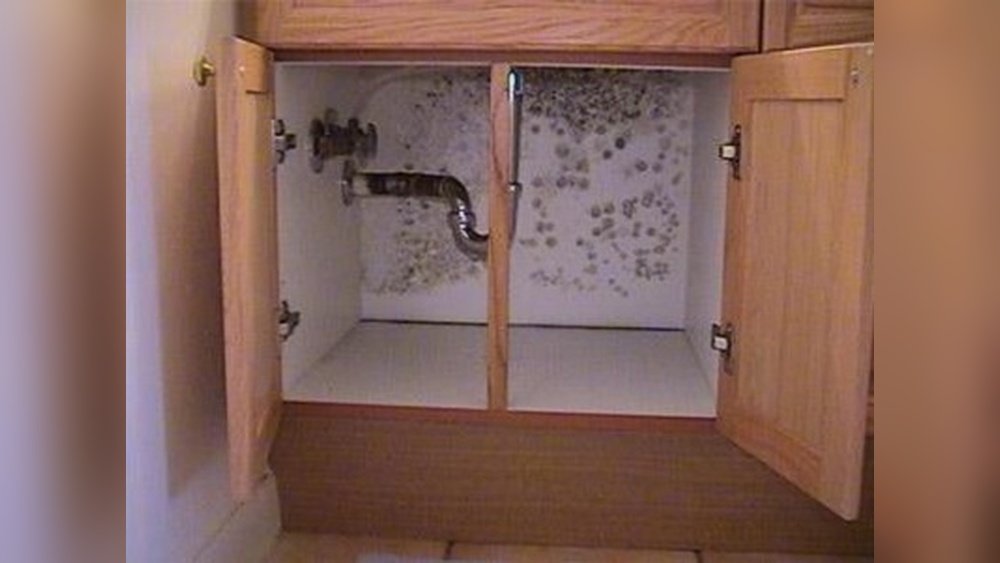
Mold in kitchen cabinets is a hidden problem that can damage your home and threaten your health. Many people discover mold only when it’s already spread, leaving them with costly repairs and ruined food or cookware. The good news is, preventing mold in kitchen cabinets is not difficult if you know what causes it and how to take action.
With a few smart habits and a little vigilance, you can keep your kitchen fresh, safe, and mold-free.
This guide walks you through everything you need to know about mold prevention in kitchen cabinets. You’ll learn why mold appears, what risks it brings, and, most importantly, effective strategies to keep it away—both for old and new cabinets. We’ll cover common mistakes, cleaning routines, ventilation solutions, and even steps for renters or those with limited budgets.
Whether you’re dealing with humid climates, aging cabinets, or a busy family kitchen, you’ll find practical advice you can use today.
Why Mold Grows In Kitchen Cabinets
Before you can stop mold, you need to understand why it forms. Mold is a type of fungus that thrives in damp, dark, and warm places. Your kitchen cabinets, especially the ones under the sink or near plumbing, often meet all these conditions.
Main Causes Of Mold In Cabinets
- Moisture leaks: Water leaks from sinks, pipes, or dishwashers quickly raise humidity inside cabinets.
- Poor ventilation: Cabinets trap moist air, especially after cooking or washing dishes.
- High humidity: Kitchens in humid climates or with poor air conditioning are at higher risk.
- Food spills and crumbs: Leftover food provides nutrients for mold to grow.
- Improper cleaning: If you rarely clean cabinets, dust and organic matter can encourage mold.
A less obvious source is condensation. For example, steam from boiling water can settle into cabinets if there isn’t enough ventilation. Mold spores are everywhere, so if moisture is present for 24–48 hours, mold can start to grow.
Health Risks And Damage From Mold
Ignoring mold is not just a cosmetic issue. Mold exposure can trigger allergies, asthma attacks, and even infections, especially for children, the elderly, or those with weak immune systems. Symptoms may include coughing, sneezing, itchy eyes, or breathing problems.
Mold also damages your home:
- Wood rot: Mold can weaken cabinet wood, making it soft or crumbly.
- Permanent stains: Some molds leave black or green stains that are hard to remove.
- Unpleasant odors: Moldy cabinets smell musty, affecting your whole kitchen.
- Food contamination: Mold spores can settle on food or dishes, making them unsafe.
According to the US Environmental Protection Agency, indoor mold is linked to increased respiratory problems and can lower property value.

Credit: www.wikihow.life
How To Identify Mold Early In Kitchen Cabinets
Early detection is key. Mold does not always appear as big black spots. Sometimes, it starts as small patches, a fuzzy growth, or a slight odor.
Signs To Watch For
- Musty or earthy smell inside cabinets
- Black, green, or white spots on cabinet walls, shelves, or doors
- Wood feels damp or warped
- Visible condensation on surfaces
- Unusual allergy symptoms after opening cabinets
Check cabinets regularly—at least once a month. Use a flashlight to inspect dark corners, especially under the sink or near dishwashers.
15 Ways To Prevent Mold In Kitchen Cabinets
Mold prevention works best as a set of habits, not just a single fix. Here are 15 proven strategies to keep your cabinets dry and mold-free.
1. Fix Leaks Immediately
Even a small drip under the sink or behind the dishwasher can cause big problems. Check pipes, faucet connections, and appliance hoses for leaks every few months. If you find moisture, dry the area and repair the leak right away.
2. Improve Kitchen Ventilation
Proper air flow keeps moisture levels down. Open windows when cooking or washing dishes. Use your stove’s exhaust fan or install a vent hood if you don’t have one. For cabinets that tend to get damp, consider adding small vent holes at the back or using a battery-powered fan.
3. Use A Dehumidifier
If your kitchen is humid (above 50–60% relative humidity), a small dehumidifier can make a big difference. Place it near trouble spots like under the sink. Measure humidity with a cheap digital hygrometer so you know when to run the device.
4. Store Only Dry Items
Never put away damp dishes, pans, or food containers. Even a little moisture can encourage mold. After washing, let everything air dry fully before storing.
5. Clean Cabinets Regularly
Wipe shelves and cabinet walls with a vinegar-water solution (mix 1 cup vinegar with 2 cups water) every month. Vinegar is a natural mold killer. For stubborn spots, use a mild detergent and warm water. Don’t forget to clean under liners or mats.
6. Avoid Overcrowding
Stuffed cabinets block air flow and trap moisture. Arrange items so there’s space between them. Remove old or unused food and cookware every few months.
7. Use Silica Gel Or Moisture Absorbers
Place silica gel packets or moisture absorbers (found in hardware stores) inside cabinets that are prone to dampness. These small packets pull excess moisture from the air, making it harder for mold to grow.
8. Seal Cabinet Surfaces
If you have wooden cabinets, apply a water-resistant sealant to the inner surfaces. This creates a barrier that stops moisture from soaking into the wood. Reapply every few years, or after a deep cleaning.
9. Line Cabinets With Non-porous Mats
Use plastic or rubber shelf liners instead of fabric or paper. Non-porous liners don’t absorb water and are easy to wipe clean.
10. Insulate Pipes
Cold water pipes inside or behind cabinets can cause condensation. Wrap them with foam pipe insulation to prevent water droplets from forming.
11. Keep Cabinet Doors Open After Heavy Use
After boiling water, running the dishwasher, or cleaning up a spill, leave cabinet doors open for 15–30 minutes. This lets trapped moisture escape.
12. Organize Food Storage
Store food in airtight containers. This stops crumbs, spills, or leaking packages from feeding mold. Check expiration dates and clean up old food often.
13. Check For Hidden Gaps And Cracks
Look for gaps around pipes, at the back of cabinets, or along the floor. Seal with caulk to keep out moisture and pests.
14. Use Mold-resistant Paint Or Coating
For high-risk areas, use a mold-resistant paint or clear coating on cabinet interiors. These products contain chemicals that inhibit mold growth.
15. Replace Old Or Damaged Cabinets
If your cabinets are badly damaged or have recurring mold, sometimes the best solution is to replace them. Modern cabinets often use water-resistant materials that are less prone to mold.
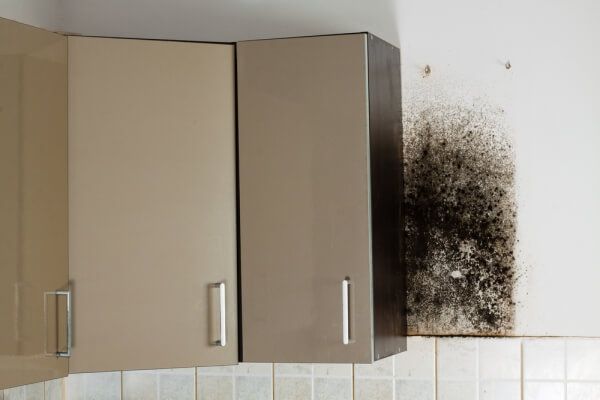
Credit: www.fprestoration.com
Cleaning And Treating Mold In Kitchen Cabinets
If you already see mold, act quickly. Small areas (less than 10 square feet) can usually be cleaned by homeowners. Larger infestations may need professional help.
Safe Cleaning Steps
- Wear gloves, a mask, and eye protection.
- Open windows for ventilation.
- Remove all items from the cabinet.
- Mix a cleaning solution: 1 cup bleach to 1 gallon of water, or use undiluted white vinegar for mild cases.
- Scrub the affected area with a sponge or brush.
- Rinse with clean water and dry thoroughly.
- Throw away porous items (like paper or cardboard) that touched the mold.
Never paint over mold or ignore it. Even invisible spores can return if moisture remains.
Best Materials For Mold-resistant Cabinets
The type of cabinet material can make a big difference. Some are more mold-resistant than others.
| Material | Mold Resistance | Maintenance | Notes |
|---|---|---|---|
| Solid Wood | Low (needs sealing) | Medium | Seal regularly for best protection |
| Plywood | Medium | Medium | Veneer can peel if wet |
| Laminate | High | Low | Easy to wipe clean |
| Metal | Very High | Low | Rare in homes but highly durable |
| Plastic | High | Low | Resists water and mold |
Choosing the right material is especially important in humid climates or for homes with frequent leaks.
Common Mistakes That Cause Mold In Kitchen Cabinets
Many people think cleaning alone is enough, but other habits can make mold prevention harder. Avoid these mistakes:
- Ignoring small leaks or drips
- Storing damp towels or sponges inside cabinets
- Using fabric liners that trap moisture
- Packing cabinets too tightly
- Failing to fix poor ventilation
An often-overlooked tip: check the back wall of cabinets during spring cleaning. Mold often starts out of sight.
Maintenance Schedule: What To Do And When
Prevention is easier when you follow a simple routine. Here’s a sample schedule to keep mold away:
| Task | Frequency | Why It Matters |
|---|---|---|
| Wipe cabinet interiors | Every month | Removes moisture and food debris |
| Check for leaks | Every 2–3 months | Stops mold before it starts |
| Run dehumidifier | As needed | Keeps air dry |
| Inspect for mold | Every month | Early detection is key |
| Clean or replace liners | Every 6 months | Prevents hidden mold growth |
Set reminders in your phone or add these tasks to your regular cleaning schedule.
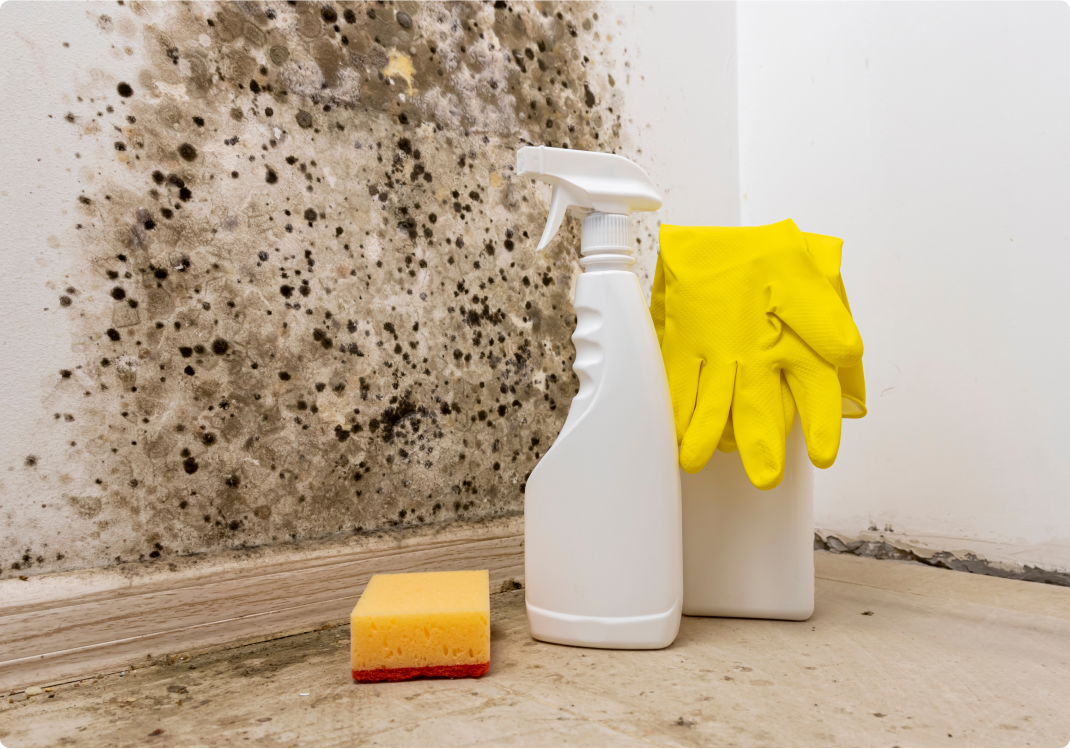
Credit: www.ahs.com
Solutions For High-humidity Kitchens
Some kitchens are more prone to mold because of their location or climate. If you live in a humid area, prevention takes extra effort.
Tips For High-humidity Kitchens
- Install an exhaust fan that vents outside, not just into the attic.
- Use air conditioning during hot, humid months.
- Keep windows closed on humid days and open only when air is dry.
- Place moisture absorbers in every cabinet, not just under the sink.
- Consider using a kitchen-specific dehumidifier for large spaces.
One non-obvious insight: avoid hanging wet dish towels on cabinet doors. They add moisture right where mold wants to grow.
What To Do If You Rent Your Home
Renters face special challenges. You might not be able to change cabinets or install new ventilation. Still, you can prevent mold with smart habits:
- Report leaks or plumbing problems to your landlord immediately.
- Use removable moisture absorbers and dehumidifiers.
- Line cabinets with non-adhesive plastic mats (easy to remove when you move).
- Keep cabinets organized so you can spot problems early.
- Avoid storing heavy items that can damage cabinet floors or block air flow.
If you find significant mold, document it with photos and notify your landlord in writing. Under many laws, landlords must fix leaks and address mold.
How To Choose The Right Mold Prevention Products
There are many products marketed for mold prevention, but not all are effective. Here’s how they compare:
| Product Type | How It Works | Best For | Notes |
|---|---|---|---|
| Moisture Absorbers (Silica Gel, Calcium Chloride) | Absorb humidity from air | Small, enclosed cabinets | Replace every 1–3 months |
| Mold-Resistant Paint | Blocks mold on surfaces | High-risk cabinets | Requires good prep and regular checks |
| Dehumidifiers | Reduce overall room humidity | Large or open kitchens | Requires emptying water tank |
| Ventilating Fans | Increase air flow | Under-sink or corner cabinets | Battery or plug-in models available |
Avoid products that only mask odors. Always read reviews and look for products tested by independent organizations.
Real-life Example: Mold Prevention Success Story
Maria, a homeowner in Florida, struggled with recurring mold under her kitchen sink. She tried bleach, but mold kept returning. After reading about prevention strategies, she replaced her cabinet liner with a plastic mat, installed a small dehumidifier, and started checking for leaks monthly.
She also left the cabinet doors open overnight after washing dishes. Within three months, the mold problem was gone—and has not returned in two years. Her story shows that simple, consistent actions work better than one-time deep cleaning.
When To Call A Professional
Some mold problems are too big or risky to handle yourself. Call a mold remediation professional if:
- Mold covers a large area (more than 10 square feet)
- You see mold on walls, ceilings, or floors outside the cabinet
- Family members have strong allergic reactions
- There’s ongoing water damage or leaks you can’t fix
Professionals use special tools to remove mold safely and prevent it from coming back. They can also test air quality if you’re worried about hidden spores.
Extra Tips For Long-term Mold Prevention
- Check your home’s humidity with a hygrometer. Keep it below 50% if possible.
- Use natural mold deterrents like tea tree oil sprays in problem areas.
- Replace aging plumbing before it fails, not after.
- Educate everyone in your household about proper food and cleaning habits.
- Monitor after storms or floods—even a small water intrusion can cause mold weeks later.
A key insight: even the best products won’t work if you skip regular inspections. Mold prevention is a habit, not a one-time fix.
Frequently Asked Questions
What Is The Fastest Way To Get Rid Of Mold In Kitchen Cabinets?
Use a mix of bleach and water (1 cup bleach to 1 gallon water) or undiluted white vinegar. Scrub the mold thoroughly, rinse, and dry the area completely. Always wear protective gear and ventilate the kitchen. If the mold returns or covers a large area, call a professional.
Can I Prevent Mold In Cabinets Without Using Chemicals?
Yes. Good ventilation, controlling humidity, cleaning regularly, and using natural moisture absorbers like baking soda or silica gel can prevent mold. Vinegar is also a chemical-free, natural cleaner that kills many types of mold.
Are Certain Foods More Likely To Cause Mold In Cabinets?
Yes. Bread, grains, flour, sugar, and dried fruits can attract mold if not sealed well. Always store these in airtight containers and check for leaks or spills often. Avoid keeping food in original packaging if it is easy to tear or spill.
How Often Should I Clean My Kitchen Cabinets To Prevent Mold?
Clean cabinet interiors at least once a month with a mild cleaner or vinegar solution. Check for leaks, moisture, and old food every two to three months. In high-humidity areas, inspect and wipe cabinets more frequently.
Does Insurance Cover Mold Damage In Kitchen Cabinets?
Coverage depends on the cause. Most homeowner policies cover mold if it results from a “covered peril” (like a burst pipe). Mold from neglect or long-term leaks is often not covered. Check your policy or ask your insurance company for details. For more information, see the US EPA Mold Resources.
Mold in kitchen cabinets is a common but preventable problem. By understanding the causes, using smart prevention methods, and acting quickly when you spot trouble, you can protect your kitchen, your health, and your home’s value. A little effort now saves major headaches later.
Stay proactive, and enjoy a fresh, clean kitchen every day.