
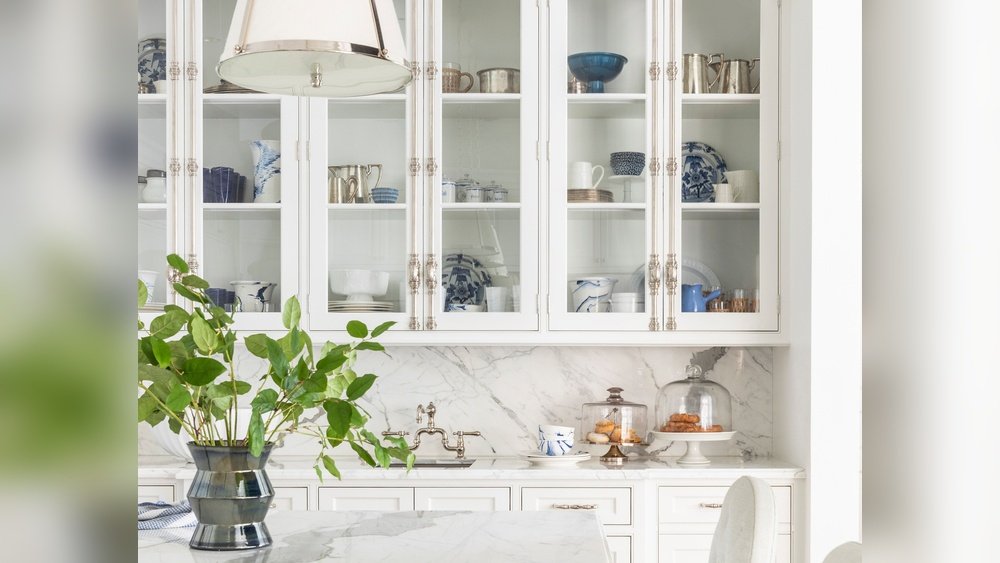
Glass kitchen cabinets are more than just a trend—they’re a design choice that can completely change the feel of your kitchen. When styled well, they add brightness, depth, and a sense of openness. But for many homeowners, styling glass cabinets can feel intimidating.
What should you display? How do you keep them looking neat? And how can you make them truly stand out, not just blend in?
The good news is, with a few smart strategies, anyone can turn glass-front cabinets into a beautiful focal point. Whether your kitchen is modern, traditional, small, or spacious, glass cabinets offer endless possibilities for creative display and clever storage. Along the way, you’ll discover that these cabinets are not just for show—they can also be practical and easy to maintain.
In this guide, you’ll learn how to style glass kitchen cabinets step by step. From choosing the right items to display, to using lighting and color, to common mistakes to avoid, every detail is covered. Even if you’re new to kitchen design, you’ll find simple advice, real-life examples, and expert tips that will give you the confidence to make your cabinets shine.
Understanding Glass Kitchen Cabinets
Before you begin, it’s helpful to know the different types of glass cabinets and why they’re popular in kitchen design. Glass cabinets come in a few main styles:
- Clear glass: Offers a full view of everything inside. Ideal for displaying beautiful dishes or glassware.
- Frosted or textured glass: Blurs the view, hiding some of the contents. Good for less organized shelves.
- Seeded or leaded glass: Adds pattern and interest, with a vintage or classic look.
People choose glass cabinets for several reasons. They help make small kitchens look bigger by reflecting light. They’re perfect for showing off attractive dishware. And they add a layer of sophistication that solid cabinets often lack.
However, glass cabinets can also show clutter and dust easily. That’s why careful styling matters so much. The goal is to create a look that’s both beautiful and functional.
Deciding What To Display
One of the most important steps is choosing what to put inside your glass cabinets. Not everything belongs on display. Here’s how to make smart choices:
- Showcase your best items: Use these cabinets for your favorite plates, bowls, glasses, or mugs. Choose pieces with color, shape, or sentimental value.
- Limit variety: Too many different items can look messy. Stick with 2-3 main colors or materials for a unified look.
- Think about frequency of use: Place everyday dishes on lower shelves for easy access. Reserve higher shelves for special pieces.
Items That Work Well
- White dishes: Classic and always fresh.
- Glassware: Wine glasses, tumblers, or pitchers.
- Cookbooks: Stack a few on their side for a casual touch.
- Plants: A small potted herb or succulent adds life.
- Decorative bowls or vases: Especially in bold or metallic colors.
Items To Avoid
- Plastic containers: They often look cheap or mismatched.
- Large appliances: Too bulky for display.
- Random pantry items: Keep these behind solid doors.
Insider tip: If you love a set but it’s mismatched, group by color or stack similar shapes together. This makes even a mixed collection look intentional.
Organizing For Visual Appeal
A well-organized cabinet draws the eye. Here’s how to arrange items for maximum impact:
Use The Rule Of Thirds
Divide each shelf visually into three sections. Place items in groups of three or five. Odd numbers create a more interesting look than even numbers.
Play With Heights
Stack some plates or bowls, then stand a tall vase or pitcher next to them. Mixing heights keeps the eye moving.
Layering
Don’t line everything up at the front. Put taller items in the back and smaller ones in front. This adds depth.
Leave Space
Don’t fill every inch. Empty space lets special pieces stand out and makes the cabinet look less cluttered.
Group By Use
Keep wine glasses together, stack dinner plates, and separate cups. This not only looks better but is practical for daily use.
Example Arrangement
- Top shelf: Tall pitcher in the center, two glasses on each side.
- Middle shelf: Stack of white plates, small bowl on top, one decorative item beside.
- Bottom shelf: Mugs in a row, with a plant on the side.
Non-obvious insight: Glass shelves inside the cabinet can amplify the sense of space and let light pass through, making everything feel lighter.
Using Color And Material For Impact
Color is powerful in glass cabinets. It shapes the mood of your kitchen and highlights your favorite pieces. Here’s how to use it well:
Stick To A Color Scheme
Pick 2-3 main colors and repeat them on every shelf. For example, white, blue, and glass. This creates unity.
Add Metallics
A copper bowl or gold-rimmed glass adds instant luxury. One or two metallic pieces are enough for sparkle.
Use Natural Materials
Wooden bowls, woven baskets, or stoneware bring warmth. Mixing natural textures with glass and ceramics makes the display feel balanced.
Backing For Pop
Some people paint or wallpaper the back of the cabinet. A soft gray or blue can make white dishes stand out. For bold kitchens, try a patterned paper. Just be careful not to clash with your dishes.
Rotating Seasonal Colors
Change accent colors each season. In summer, use lemon yellow or turquoise. In winter, try deep green or silver. This keeps the look fresh without a full redo.
Practical tip: When adding new items, snap a photo of the cabinet from a distance. This helps you see if the colors and shapes work together.
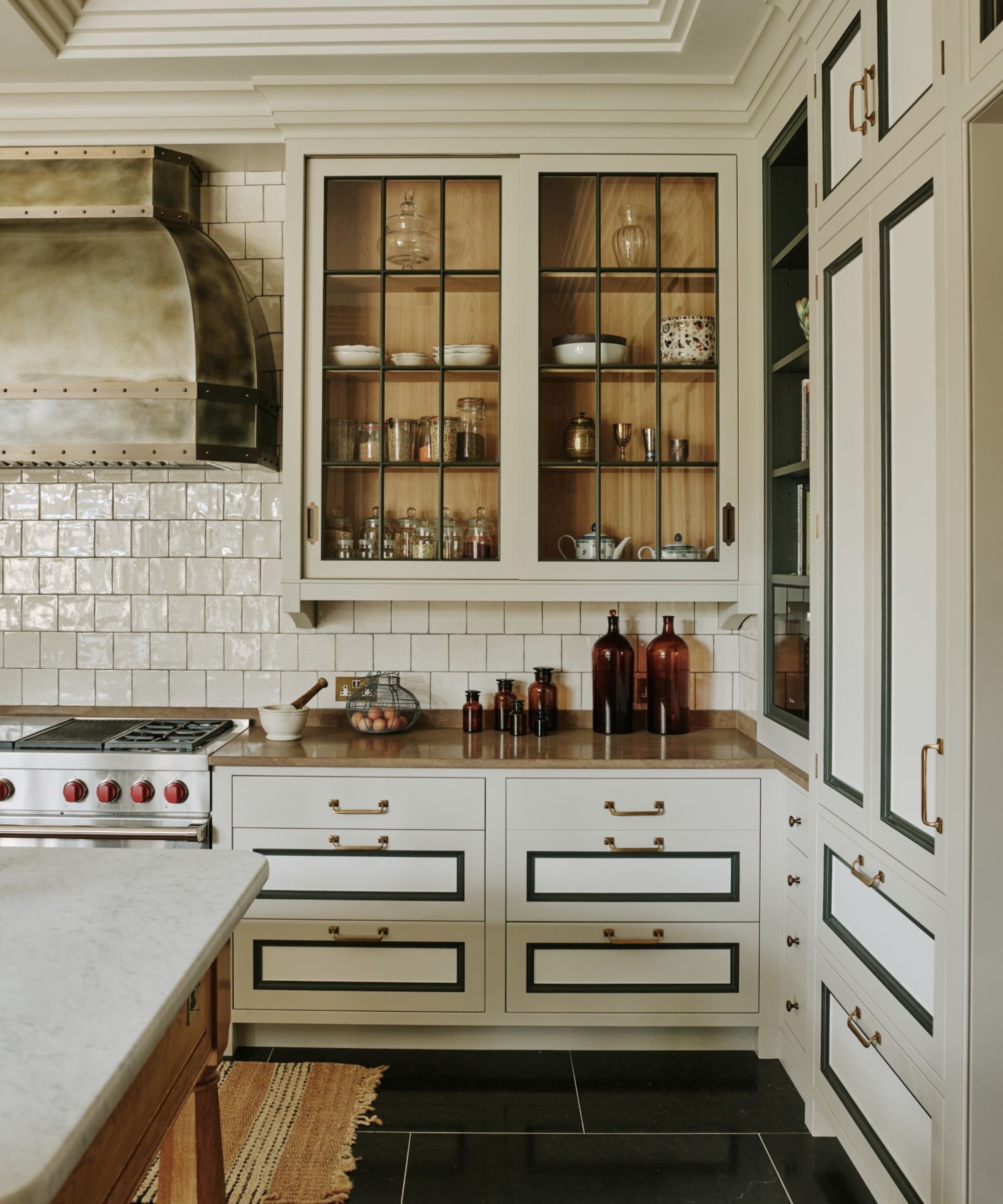
Credit: www.homesandgardens.com
Lighting Glass Cabinets
Lighting is a game-changer with glass cabinets. It brings out the shine of glassware and makes everything glow. Here’s how to do it right:
Types Of Lighting
- LED strip lights: Easy to install and energy-efficient. Run them under each shelf for even light.
- Puck lights: Small, round lights that can be placed inside the cabinet.
- Integrated cabinet lighting: Built-in lights, often found in custom kitchens.
Where To Place Lights
Put lights at the top and/or under each shelf. For a dramatic effect, use both. If you have frosted glass, backlighting gives a soft, diffused look.
Choosing Color Temperature
Warm white (2700-3000K) is best for a cozy kitchen. Cool white (4000K+) is good for modern styles but can feel harsh.
Hiding Wires
Tuck wires behind the cabinet frame. For a seamless look, hire an electrician to hardwire the lights.
Energy Use
LEDs use very little electricity, so you can leave them on for hours without worry.
Expert tip: Place lighting controls near the main kitchen switch so you can turn cabinet lights on/off easily.
Keeping Glass Cabinets Clean And Clutter-free
Glass cabinets show fingerprints, dust, and clutter more than wood. Keeping them clean is key:
Cleaning Tips
- Use a microfiber cloth and gentle glass cleaner on the outside and inside.
- Wipe shelves before placing items back.
- Wash and dust the items inside regularly.
Preventing Clutter
- Review cabinet contents every few months. Remove anything you don’t use or love.
- If you add a new piece, consider removing an old one.
- Store less-attractive items in solid cabinets or drawers.
Handling Hard Water Stains
Glassware can get spots from hard water. To remove, soak in vinegar and rinse before displaying.
Beginner mistake: Overfilling shelves makes cleaning harder and increases the chance of breakage. Less is more.
Matching Cabinet Style To Kitchen Design
Your cabinet styling should fit your overall kitchen style. Here’s how to match them:
Modern Kitchens
Choose simple lines, clear glass, and minimal color. Stick to white or black dishes, and add a few metallics.
Traditional Kitchens
Use leaded or seeded glass. Display colorful ceramics or vintage dishes. Add a small vase of flowers.
Farmhouse Or Rustic Kitchens
Go for textured glass. Show off stoneware, wood, and woven baskets. Use muted, earthy colors.
Small Kitchens
Use glass cabinets to open up the space. Stick to a light color palette. Avoid dark, heavy items.
Open-concept Kitchens
Coordinate with living or dining room colors. For example, echo a blue sofa with blue plates.
Non-obvious insight: If your upper cabinets have glass and the lowers do not, style the upper ones lighter and airier. Heavy items should stay below eye level.
Incorporating Open Shelving With Glass Cabinets
Many modern kitchens mix open shelves with glass cabinets. Here’s how to balance them:
- Use open shelves for everyday items (mugs, plates) and glass cabinets for special pieces.
- Keep the color palette consistent between open and glass-front storage.
- Don’t overcrowd either space—leave “breathing room.”
Example Layout
- Open shelf above the sink: Three matching mugs, small potted herb.
- Glass cabinet: Stacked white plates, two wine glasses, decorative bowl.
Practical tip: If you’re worried about dust, glass cabinets are better than open shelves for items you don’t use daily.
Seasonal And Themed Styling
Glass cabinets are easy to refresh for holidays or seasons. Here’s how to change things up without buying all new items:
For Holidays
- Add a few colored glasses (red for Christmas, orange for fall).
- Display festive plates or mugs.
- Tuck in a small seasonal ornament or garland.
For Spring Or Summer
- Swap in bright-colored bowls.
- Add a vase with fresh flowers.
For Fall Or Winter
- Use deep greens, reds, or metallics.
- Add pinecones or small candles (unlit).
Themed Displays
- For a coastal look, display blue and white ceramics, and a small shell or two.
- For a farmhouse vibe, use enamelware and rustic wood pieces.
Insider tip: Limit holiday decor to 10-20% of what’s inside the cabinet. Too much can feel forced or cluttered.
Styling Mistakes To Avoid
Even with the best intentions, it’s easy to go wrong. Here are common mistakes and how to fix them:
- Overcrowding: Too many items make the cabinet look messy and are hard to clean. Keep 1/3 of each shelf open.
- Ignoring color: Random colors distract the eye. Plan your palette.
- Neglecting lighting: Dark cabinets hide your efforts. Add lighting if possible.
- Mixing too many materials: Limit to 2-3 types (ceramic, glass, metal).
- Displaying worn or chipped items: Only show pieces in good condition.
- Not cleaning glass: Smudges and dust ruin the effect. Clean regularly.
- Putting practical over pretty: If you need to store mismatched containers or plastic, use solid doors.
- Forgetting the background: A painted or papered back can add style if chosen wisely.
- Ignoring symmetry: While you don’t need perfect balance, some symmetry makes the display feel intentional.
- Not updating: Swap out or rearrange items every few months to keep things interesting.
Non-obvious insight: It’s okay to leave some shelves nearly empty, especially if the rest of the kitchen is busy. Negative space is powerful.
Glass Cabinets Vs. Solid Cabinets: A Quick Comparison
To understand the strengths and weaknesses, see how glass cabinets compare to solid ones:
| Feature | Glass Cabinets | Solid Cabinets |
|---|---|---|
| Visual Appeal | Open, airy, elegant | Private, hides clutter |
| Maintenance | Shows fingerprints, needs regular cleaning | Lower maintenance |
| Display | Best for attractive items | Store anything |
| Cost | Often more expensive | Usually less expensive |
How To Choose The Right Glass For Your Cabinets
Not all glass is the same. Here’s what to consider:
| Glass Type | Look & Feel | Best For |
|---|---|---|
| Clear | Full visibility | Showcasing beautiful collections |
| Frosted/Etched | Blurry, soft look | Hiding less organized shelves |
| Textured (seeded, rain, etc.) | Patterned, vintage or modern | Adding interest, hiding clutter |
| Leaded/Stained | Decorative, colorful | Traditional or artistic kitchens |
Practical tip: Tempered glass is safer—it’s stronger and less likely to shatter.
Making Glass Cabinets Work In Small Kitchens
Many people think glass cabinets are only for large kitchens, but they’re actually perfect for small spaces. Here’s why:
- Glass reflects light, making the room feel larger.
- You can display only your best items, which keeps clutter down.
- Use clear or lightly frosted glass for maximum openness.
Space-saving Tricks
- Choose shelves that go all the way to the ceiling.
- Use vertical space for taller items.
- If your kitchen has only one set of glass cabinets, make them the centerpiece.
Example
A small galley kitchen with one glass cabinet above the sink can feel double its size if you keep the display light and airy—think three white mugs, a stack of plates, and a glass pitcher.
Non-obvious insight: For very narrow kitchens, mirrored glass can bounce even more light.
Budget-friendly Ways To Update Glass Cabinets
You don’t need a full remodel to improve your glass cabinets. Here’s how to refresh them on a budget:
- Paint or wallpaper the back panel for under $30.
- Change the cabinet hardware (knobs or pulls) for a quick style update.
- Add battery-powered puck lights inside.
- Shop secondhand for unique dishes or glassware.
- Rearrange your current items for a new look.
Experience-based tip: Sometimes removing a door or two for open shelving can add variety without major work.
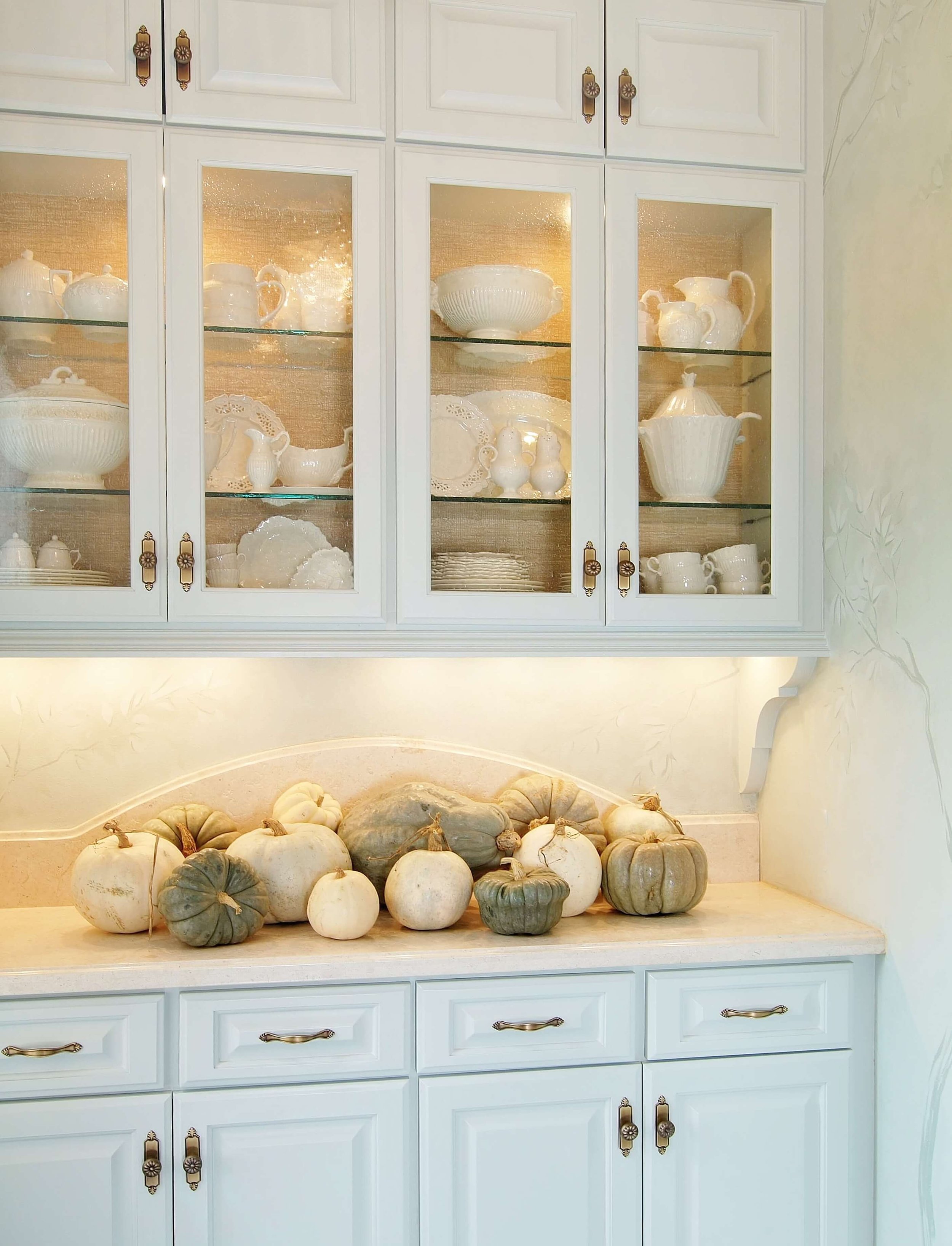
Credit: carlaaston.com
When To Hire A Professional
While most styling can be done yourself, sometimes it’s worth hiring a pro:
- For custom lighting or electrical work.
- If you want to replace glass doors or add new ones.
- For built-in shelving or new cabinet construction.
An experienced designer can help you choose colors, arrange items, and avoid costly mistakes.
Real-life Examples And Inspiration
Let’s look at how different homeowners style their glass kitchen cabinets:
Example 1: Minimalist Modern
- All-white plates and bowls, clear wine glasses.
- One blue vase for a pop of color.
- LED strip lights under each shelf.
Example 2: Warm Farmhouse
- Cream stoneware, a few wood bowls.
- Small potted lavender.
- Back panel painted soft sage green.
Example 3: Eclectic Collector
- Mix of colorful vintage plates and mugs.
- Two cookbooks stacked on their side.
- Brass candleholder.
Notice how each example sticks to a color palette, uses empty space, and varies item heights.
The Psychological Effect Of Glass Cabinets
It’s not just about looks—glass cabinets can change how you feel in your kitchen. Research shows that visually open storage encourages you to keep things tidy and enjoy your favorite items every day. It can also make cooking more pleasant because you see what you have at a glance.
However, some people find it stressful to keep everything perfect. If that’s you, balance glass cabinets with solid doors elsewhere.
For more on the psychology of kitchen design, see this Houzz article.
Frequently Asked Questions
How Often Should I Clean The Inside Of Glass Kitchen Cabinets?
It’s best to clean the inside every 2-3 months. If you cook often or have pets, wipe down shelves and items more frequently. Cleaning the outside should be done weekly to prevent fingerprints and dust buildup.
Can I Use Glass Cabinets To Store Everyday Dishes?
Yes, as long as you keep the display neat and avoid overfilling. Place everyday items on lower shelves for easy access, and reserve upper shelves for less-used or decorative pieces.
What’s The Best Way To Light Glass Kitchen Cabinets?
LED strip lights are the easiest and most energy-efficient option. Place them under each shelf for even illumination. Choose a warm white color temperature for a cozy look.
Are Glass Kitchen Cabinets Safe In Homes With Children?
Glass cabinets are generally safe, especially if you use tempered glass. Keep heavier or valuable items on higher shelves, and avoid putting breakables at child height.
How Do I Update Old Glass Cabinets Without Replacing Them?
Paint or wallpaper the back panel, change the hardware, or add lighting. Rearranging the items inside or switching to a new color scheme can also refresh the look without major expense.
Glass kitchen cabinets offer a unique chance to add personality and elegance to your home. With careful styling, thoughtful choices, and a few creative touches, you can turn these cabinets into a highlight of your kitchen—one that’s both inviting and practical. Whether your style is bold and modern or soft and classic, remember: less is more, and every item you display should make you smile.
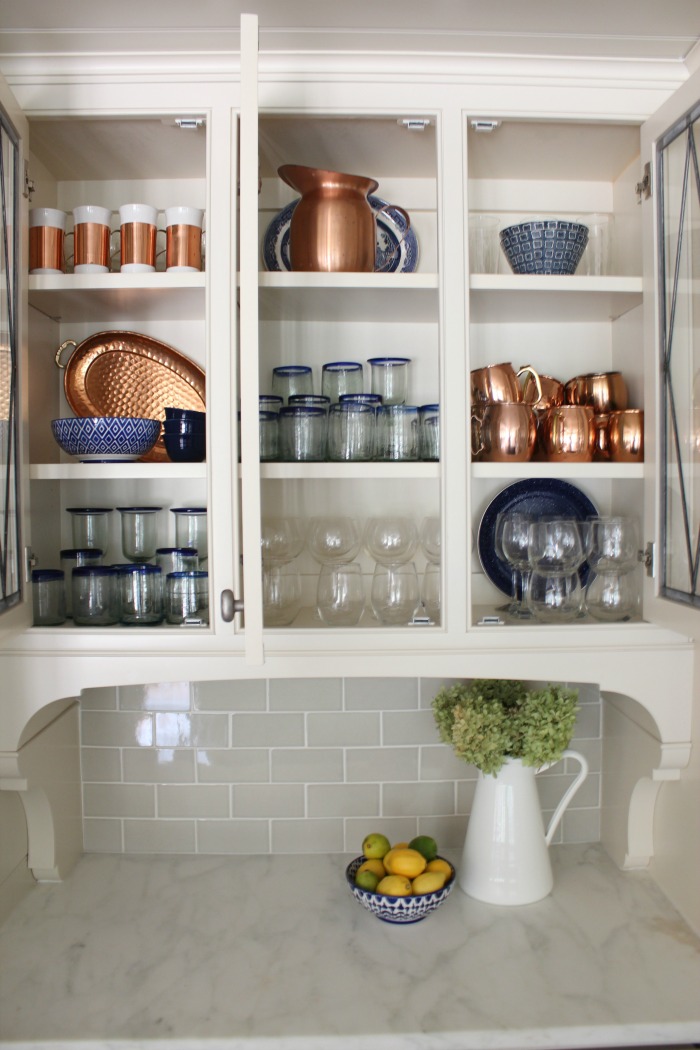
Credit: southernstateofmindblog.com