
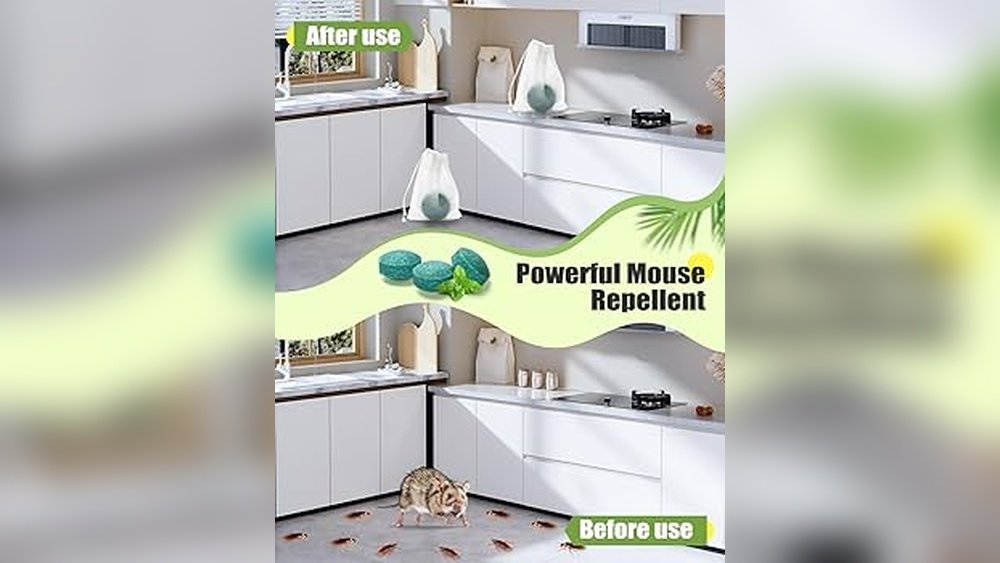
Using mothballs in the kitchen may sound strange at first, but for many households, this old-fashioned method is seen as a way to protect food and utensils from pests. Kitchens are a common target for insects like cockroaches and moths, especially in humid or tropical areas.
While mothballs are mainly used to safeguard clothes from fabric pests, some people try using them in kitchen cabinets, drawers, or pantries. However, there are important facts and safety tips you should know before considering mothballs in your kitchen.
This guide will explain how to use mothballs in the kitchen, their risks, safe alternatives, and answers to common questions. If you’ve noticed insects or want to protect your food storage, this article will help you understand what works, what doesn’t, and how to keep your kitchen safe and pest-free.
What Are Mothballs?
Mothballs are small balls or pellets made from chemicals like naphthalene or paradichlorobenzene. These substances slowly turn into gas and create a strong smell that repels moths, silverfish, and some other insects. Traditionally, mothballs are placed in wardrobes or storage boxes with clothes to keep fabric-eating pests away.
These chemicals are very powerful. In fact, the vapors can be toxic to humans and pets if used incorrectly. That’s why mothballs are sold with warning labels and strict instructions. While they are effective for protecting textiles, using them near food or in the kitchen comes with serious risks.
Basic Properties Of Mothballs
- Shape: Small, white balls or cakes
- Smell: Strong, chemical odor
- Active ingredients: Naphthalene or paradichlorobenzene
- Action: Releases vapor that repels insects
Why Do People Consider Mothballs In The Kitchen?
Many households experience problems with pests in the kitchen—cockroaches, ants, weevils, and even rodents. Some people believe that placing mothballs in cabinets, pantries, or under the sink will drive these pests away.
There are a few reasons why this idea is popular:
- Pest Problems: Kitchens are full of food, water, and warmth—perfect for bugs.
- Traditional Methods: Mothballs have been used for decades in homes for general pest control.
- Lack of Awareness: Some people don’t know about the health risks of using mothballs near food.
However, using mothballs in the kitchen is not the same as using them in a closet. There are important differences in safety and legal rules.
Are Mothballs Safe For Kitchen Use?
The short answer is: No, mothballs are not safe for kitchen use. In many countries, using mothballs anywhere near food is illegal and dangerous.
Health Risks Of Mothballs In The Kitchen
- Toxic Vapors: The chemicals in mothballs can contaminate food, plates, and cookware. Breathing the vapor can cause nausea, headaches, and even long-term damage.
- Accidental Poisoning: Children and pets may mistake mothballs for candy or food, leading to poisoning.
- Residue: Even after removing mothballs, the smell and chemicals can stay on kitchen surfaces.
According to the U.S. Environmental Protection Agency (EPA), mothballs should only be used as directed on the label—usually in airtight containers with clothes. Kitchen use is not approved.
Comparison: Mothballs Vs. Other Pest Solutions
Here’s a comparison between mothballs and other kitchen pest control methods.
| Method | Effectiveness | Safety | Recommended for Kitchen? |
|---|---|---|---|
| Mothballs | Moderate | High risk | No |
| Boric acid powder | High | Lower (if used correctly) | Yes, with care |
| Bay leaves/cloves | Moderate | Safe | Yes |
| Commercial traps | High | Safe (if non-toxic) | Yes |
| Professional pest control | Very high | Safe (if instructions followed) | Yes |
As shown, safer and more effective options exist for kitchen pest control.
How Mothballs Work
Mothballs work by releasing a gas that is toxic to insects. This gas builds up in closed spaces and kills or repels pests. However, the same chemicals can also harm humans and pets.
The Science Behind Mothballs
- Naphthalene: Turns from solid to gas at room temperature. The vapor can cause dizziness, nausea, and damage to red blood cells if inhaled.
- Paradichlorobenzene: Also changes to gas, but is less toxic than naphthalene. Still, it is not safe to breathe or ingest.
Both chemicals are only effective in sealed containers. In open kitchen cabinets or drawers, the gas escapes and spreads throughout the room. This means you get more risk with less benefit.
Legal And Label Warnings
In the United States, the EPA and Food and Drug Administration (FDA) both warn against using mothballs for food storage or kitchen pest control. Labels on mothball packages say: “Do not use in open rooms, closets, or near food.”
In many countries, using mothballs in the kitchen is against the law. Some regions even ban mothball sales because of poisoning incidents.
Non-obvious insight: Even if you wrap mothballs in plastic or foil, the vapor can escape and reach food. There is no safe way to use mothballs near food storage.
If You Still Decide To Use Mothballs In The Kitchen
It’s important to say: using mothballs in your kitchen is not recommended by any authority. But if you decide to do so, here are some steps to reduce risk:
- Never place mothballs directly near food. Only use them in areas where food is not stored or prepared.
- Use airtight containers. Place mothballs in a tightly sealed box, away from plates, utensils, and food.
- Ventilate well. Make sure your kitchen has good air flow. Open windows and use fans.
- Label containers clearly. Write “DANGER: MOTHBALLS, DO NOT TOUCH” on any box that contains them.
- Keep away from children and pets. Store mothballs high and locked away.
- Dispose properly. Follow your local rules for disposing of mothballs and their containers.
Example Scenario
Suppose you have a kitchen storage area with no food, only cleaning supplies, and you want to keep cockroaches out. You could place a mothball in a sealed jar, with holes too small for children to reach, and store it at the back.
But you must keep this far from any food or dishes, and check regularly for any odor or vapor leaks.
Safer Alternatives To Mothballs In The Kitchen
Most experts suggest using safer methods for kitchen pest control. Here are options that work without risking your health.
1. Bay Leaves And Cloves
Placing dried bay leaves or whole cloves in pantry corners or containers can help repel weevils and ants. The strong scent is unpleasant for some insects but safe for people.
2. Airtight Food Storage
Using airtight containers for rice, flour, and grains keeps pests out and protects food. Glass, metal, or heavy plastic work best. This method also stops moisture, which attracts bugs.
3. Regular Cleaning
Wipe shelves, vacuum crumbs, and clean up spills often. Insects are attracted to food residue, so a clean kitchen is the best defense.
4. Natural Sprays
Sprays made from vinegar, lemon juice, or essential oils (like peppermint or tea tree) can deter insects. Test on a small area first to avoid damage.
5. Commercial Traps
Sticky traps or bait stations for ants or cockroaches are widely available. Many are non-toxic and safe for use near food (read the label).
6. Professional Pest Control
If you have a serious infestation, call a professional. They can use safe, targeted treatments that won’t put your family at risk.
How To Properly Store Mothballs
If you have mothballs at home for other uses, store them safely to avoid accidents in the kitchen.
- Original container: Keep mothballs in the package they came in.
- High, locked shelf: Store out of reach of children and pets.
- Away from food: Never place mothballs near the kitchen, pantry, or anywhere food is stored or prepared.
- Well-ventilated area: Choose a place with airflow, but no risk to living areas.
How To Remove Mothball Odor From The Kitchen
If you have used mothballs in your kitchen and want to remove the smell, act quickly. The chemical odor can stick to cabinets, walls, and even food.
Steps To Get Rid Of Mothball Odor
- Remove all mothballs: Throw them away following local hazardous waste rules.
- Air out the area: Open windows and doors for several days.
- Clean surfaces: Wash cabinets, shelves, and drawers with soap and warm water. For strong odors, use a mix of vinegar and water.
- Use baking soda: Place open boxes of baking soda in the area to absorb smells.
- Activated charcoal: Charcoal absorbs odors and works faster than baking soda.
- Replace contaminated food: If any food smells like mothballs, throw it away.
Non-obvious tip: Mothball odor can stick to plastic containers. Sometimes, it’s impossible to fully remove the smell. Replace any storage containers that hold the odor.
Common Mistakes When Using Mothballs
Even experienced homeowners make errors with mothballs. Here are frequent mistakes and how to avoid them.
- Using mothballs for general pest control: Mothballs are not a solution for every pest. They only work on certain insects and only in closed spaces.
- Placing mothballs in open areas: The chemicals evaporate into the whole room, which is dangerous.
- Mixing mothballs with food storage: This can lead to poisoning and is illegal in many places.
- Ignoring label instructions: Not reading the packaging can cause serious accidents.
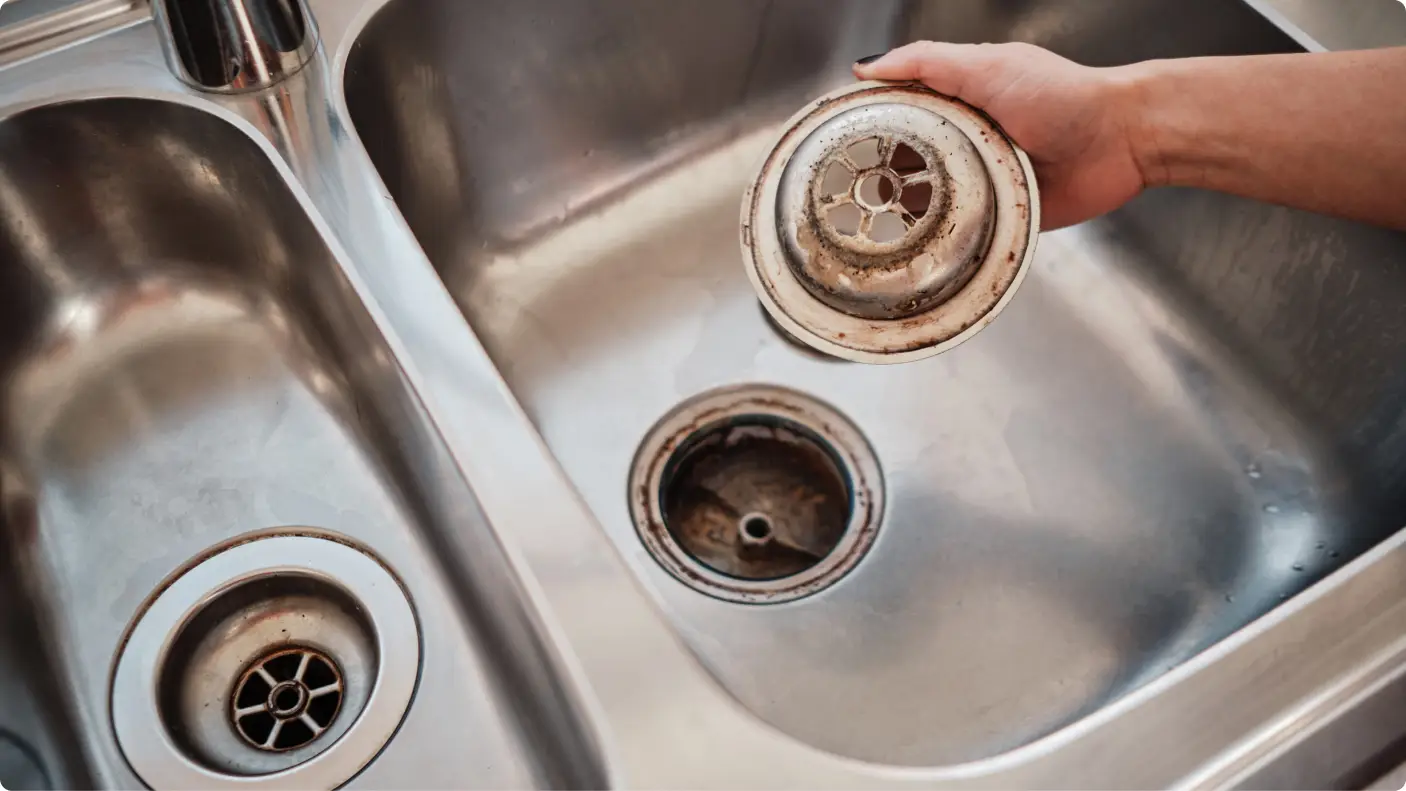
- Using old or unknown mothballs: Some older mothballs contain banned or more toxic chemicals.
Credit: www.liquidplumr.com
Understanding The Risks: Data On Mothball Poisoning
Many poisoning cases happen each year because of improper mothball use. According to the American Association of Poison Control Centers, thousands of children and pets are exposed to mothballs annually in the U.S. alone.
Most cases are from:
- Accidental swallowing (children or pets thinking mothballs are candy)
- Inhaling vapors in homes
- Contaminated food or kitchenware
Symptoms can range from mild nausea to severe anemia or liver damage. In some cases, hospitalization is needed.
Myths And Facts About Mothballs In The Kitchen
There are many beliefs about using mothballs for kitchen pests. Let’s clear up a few common myths.
Myth 1: Mothballs Are Safe If Wrapped In Plastic
Fact: The vapor can pass through thin plastic and contaminate food or dishes.
Myth 2: Mothballs Kill All Kitchen Pests
Fact: They are only effective against certain insects, like moths and silverfish, not cockroaches or ants.
Myth 3: The Smell Means It’s Working
Fact: The smell is a sign of toxic vapor. If you smell mothballs, the chemicals are in the air you breathe.
Myth 4: Mothballs Are A “natural” Solution
Fact: Mothballs are made from industrial chemicals, not natural ingredients. There are safer, natural options.

Credit: www.amazon.com
Safer Pest Control: What Really Works?
Here’s a look at popular kitchen pest control methods and their effectiveness.
| Pest Control Method | Effectiveness | Safety | Cost |
|---|---|---|---|
| Mothballs | Low for kitchen pests | High risk | Low |
| Airtight containers | High | Very safe | Medium |
| Bay leaves/cloves | Moderate | Very safe | Low |
| Sticky traps | High for specific pests | Safe | Low |
| Professional pest control | Very high | Safe (if instructions followed) | High |
Most kitchens do best with a combination of airtight storage, cleanliness, and occasional traps.
Important Safety Tips For Your Kitchen
If you are worried about pests, focus on these safety tips:
- Never use toxic chemicals near food
- Keep food in sealed containers
- Clean regularly to remove crumbs and spills
- Check for leaks and damp areas
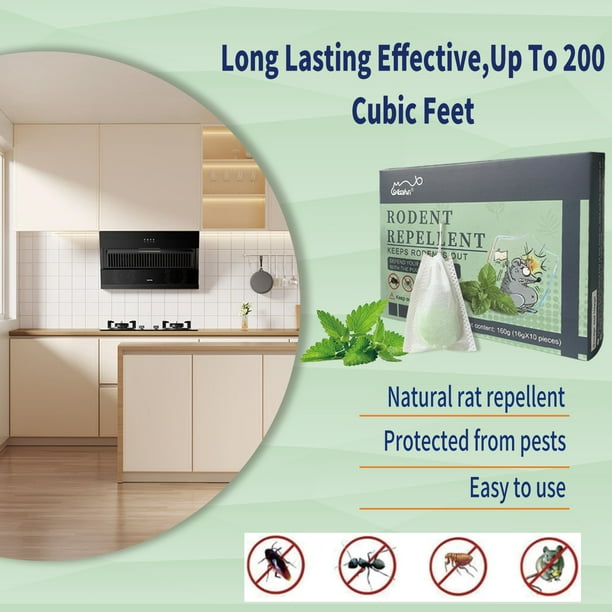
- Seal cracks and holes where bugs enter
Credit: business.walmart.com
Real-world Example: A Safer Kitchen
Let’s look at how one family solved their kitchen pest problem without mothballs.
Sarah noticed tiny beetles in her flour and rice. Instead of using mothballs, she:
- Threw out all contaminated food
- Washed and dried shelves
- Used glass jars with tight lids for all grains
- Placed bay leaves in each jar
- Cleaned weekly and checked for new bugs
Within one month, no more beetles appeared. The kitchen was safe, and no chemicals were used.
When To Call A Professional
Sometimes, home solutions aren’t enough. If you have:
- Large numbers of cockroaches or ants
- Repeated food contamination
- Bad odors that won’t go away
- Signs of rodents
It’s time to call a pest control expert. They can use safe, approved methods to clear your kitchen without risking your health.
Environmental Impact Of Mothballs
Mothballs don’t just affect your home—they can harm the environment. The chemicals in mothballs can pollute air, soil, and water if not disposed of properly. Birds, wildlife, and even plants can be affected if mothballs are thrown outside or down the drain.
Non-obvious insight: Even small amounts of mothball vapor can build up in indoor air, especially in homes with poor ventilation. This can cause health effects over time.
For more detail, visit the EPA’s official page on mothballs.
Frequently Asked Questions
What Should I Do If Food Smells Like Mothballs?
Do not eat any food that smells like mothballs. Even a small amount of the chemicals can cause illness. Throw out the affected food and clean all nearby containers and shelves.
Can I Use Mothballs In Plastic Containers In The Kitchen?
No. Mothball vapors can pass through plastic and contaminate food or air. Never use them in or near kitchen storage containers.
Are There Safe, Natural Alternatives To Mothballs For Kitchen Pests?
Yes. Bay leaves, cloves, vinegar, and peppermint oil are all safe options. Airtight containers and regular cleaning are even more effective.
What Are The Symptoms Of Mothball Poisoning?
Symptoms include headache, nausea, vomiting, confusion, and in severe cases, seizures or anemia. Children and pets are especially at risk. If you suspect poisoning, seek medical help immediately.
Is It Legal To Use Mothballs In The Kitchen?
In most countries, it is not legal to use mothballs near food or in kitchens. Always follow the label instructions and local laws.
Keeping pests out of your kitchen is important, but using mothballs is never the safest answer. The risks to your health, your family, and the environment are serious. With airtight storage, regular cleaning, and safe pest control methods, you can keep your kitchen bug-free without dangerous chemicals.
If you ever doubt, choose the safer path—and enjoy peace of mind every time you cook.