
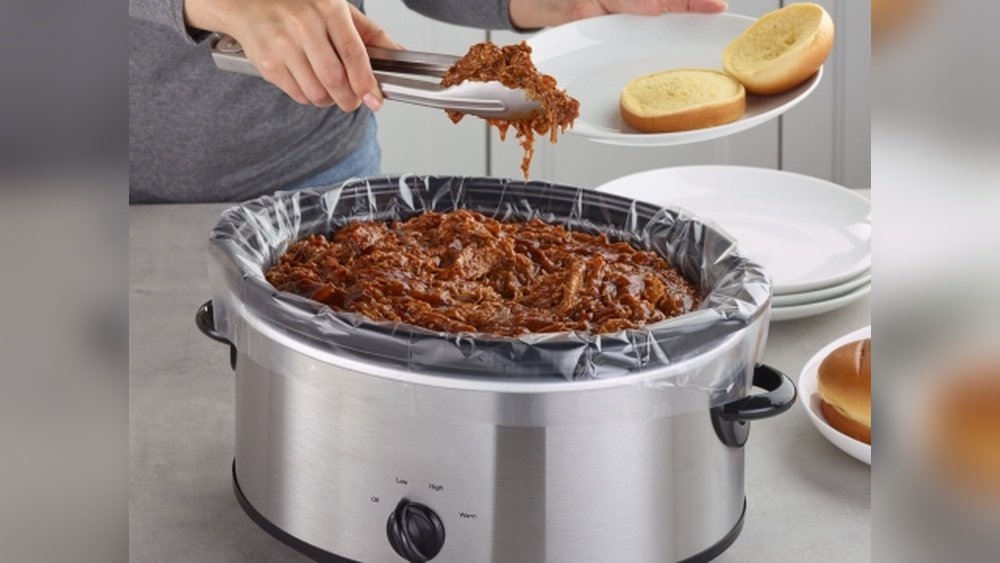
Using a slow cooker is one of the easiest ways to make delicious, tender meals with minimal effort. But anyone who has used a slow cooker knows that cleaning up sticky, cooked-on food can be a real hassle. This is where slow cooker liners come in. These simple, disposable plastic bags are designed to fit inside your slow cooker, making cleanup fast and easy. But how do you use a slow cooker liner correctly, and what should you know before trying one? This guide will walk you through everything you need to know, from choosing the right liner to tips for the best results. If you want to enjoy slow cooker meals without the mess, keep reading.
What Is A Slow Cooker Liner?
A slow cooker liner is a heat-resistant, food-safe plastic bag that lines the inside of your slow cooker. It creates a barrier between your food and the pot, so you don’t have to scrub baked-on sauces or grease after cooking. Most liners are made from nylon resin or similar materials that can handle high temperatures (up to 400°F or 204°C).
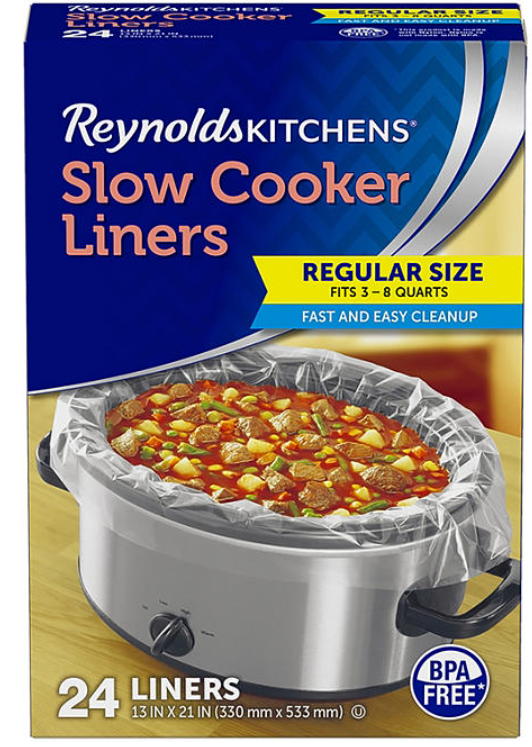
Slow cooker liners are designed for one-time use and can be found in most grocery stores near the aluminum foil and plastic wrap. They fit round or oval slow cookers from 3 to 8 quarts. Some brands even offer liners for larger or smaller slow cookers.
Many people wonder if these liners are safe. Reputable brands are FDA-approved for food contact and free from BPA. Still, always check the packaging for safety information and the temperature limit.
Why Use A Slow Cooker Liner?
There are several good reasons to try a slow cooker liner:
- Easy Cleanup: The main benefit is fast, simple cleanup. After cooking, just lift out the liner and throw it away. The pot stays almost clean.
- Saves Time: No more soaking or scrubbing stubborn food. You can spend your time enjoying your meal, not cleaning dishes.
- Prevents Sticking: Foods like cheese, tomato sauce, and sugary glazes often stick to the slow cooker. Liners prevent this, so nothing goes to waste.
- Reduces Odors: Slow cookers can hold onto strong smells. Liners help reduce lingering odors, especially after cooking spicy or garlicky dishes.
- Great for Sharing: If you bring your slow cooker to a party or potluck, a liner makes it easy to transport leftovers without a mess.
- Helps with Allergies: If you cook for people with allergies, liners can prevent cross-contamination, as you don’t need to worry about old food residue.
Beginners often miss this: Liners also protect your slow cooker insert from scratches, especially if you use metal utensils. And if you’re making multiple recipes in one day, you can swap liners instead of washing the pot each time.
Credit: sunshinemeals.com
Choosing The Right Slow Cooker Liner
Not all slow cooker liners are the same. Here are some things to consider:
1. Size
Check your slow cooker’s size (usually 3-8 quarts). Liners come in different sizes, so pick one that matches. If it’s too small, it could tear or leak; too large and it may fold and spill.
2. Shape
Most liners are oval or rectangular. Even if your slow cooker is round, most liners will fit, but oval liners are more versatile. Some brands make liners for specific slow cooker brands or shapes.
3. Material
Look for BPA-free liners. Most are made of heat-resistant nylon resin. Avoid regular plastic bags—they will melt and are unsafe.
4. Temperature Limit
Check the maximum temperature on the package. Most can handle up to 400°F (204°C), which is more than enough for slow cooking.
5. Brand
Trusted brands like Reynolds Kitchens or PanSaver are widely available and have a good reputation for safety.
6. Price
Liners usually come in boxes of 4–6 bags and cost $3–$5. Some store brands are cheaper, but always check for FDA approval.
Here’s a simple comparison of common slow cooker liner brands:
| Brand | Material | Max Temp | Sizes | BPA-Free |
|---|---|---|---|---|
| Reynolds Kitchens | Nylon resin | 400°F | 3–8 qt | Yes |
| PanSaver | Nylon | 400°F | 3–6.5 qt, 6–9 qt | Yes |
| Store Brand | Nylon blend | 350–400°F | 3–8 qt | Usually |
Practical tip: If you aren’t sure which size to buy, choose a larger liner. You can always fold the extra over the edge.
How To Use A Slow Cooker Liner: Step-by-step Guide
Using a slow cooker liner is easy, but there are a few details to get the best results. Follow these simple steps:
1. Cool And Clean Your Slow Cooker
Before adding a liner, make sure your slow cooker is cool and dry. Never add a liner to a hot pot—it could melt. Wipe away any old food or grease.
2. Open The Liner
Remove one liner from the box and shake it open. Be careful not to tear it.
3. Fit The Liner Inside
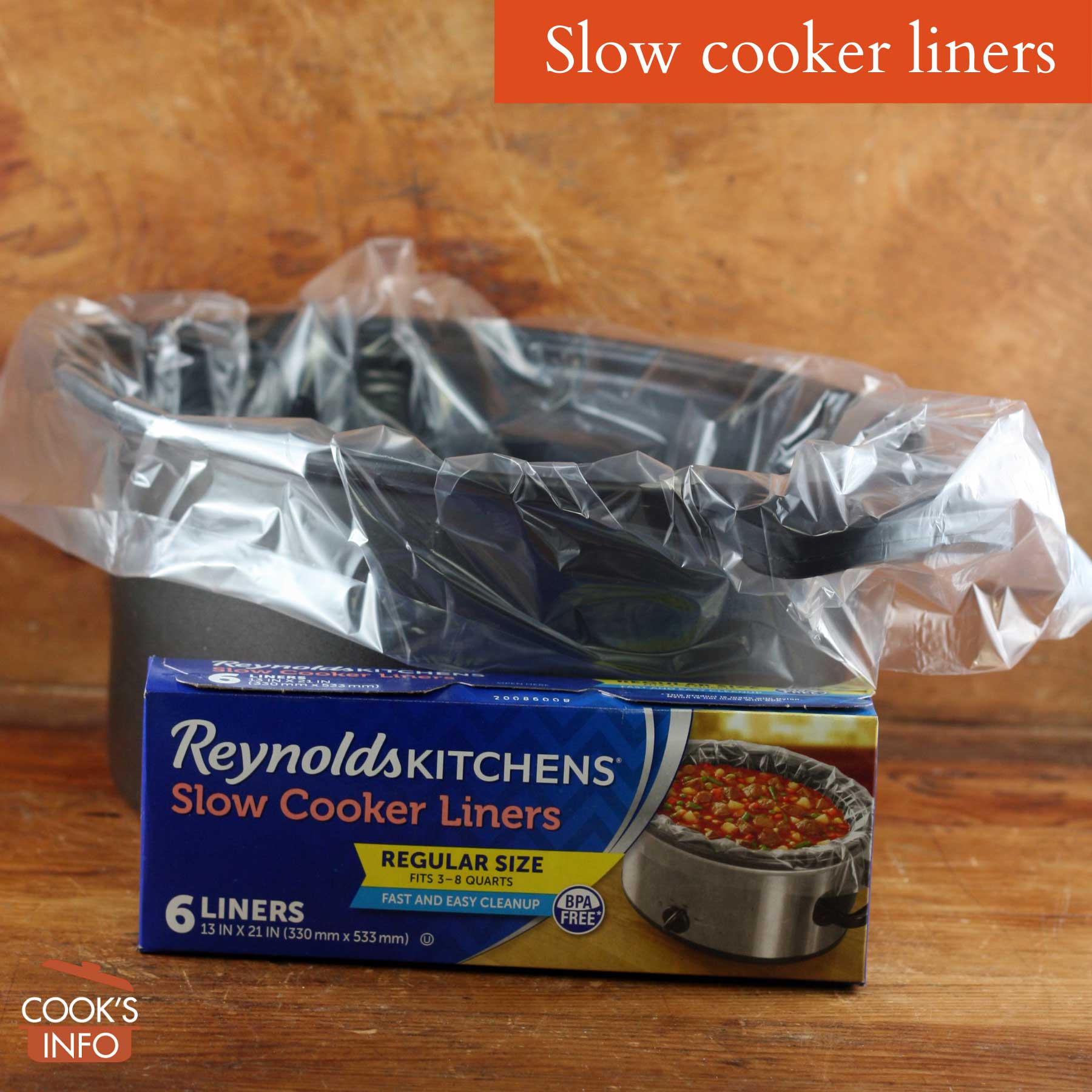
Place the liner in your slow cooker, spreading it out so it covers the bottom and sides. Let the extra plastic hang over the rim.
4. Add Food And Liquid
Pour your ingredients into the lined pot. Try to keep all food inside the liner, not between the liner and the pot. Avoid sharp bones or utensils that can poke holes.
Non-obvious insight: Some recipes work even better with liners, like sticky BBQ ribs or cheesy dips. These dishes often burn onto the pot, but liners prevent this.
5. Cover And Cook As Usual
Put the lid on your slow cooker. Cook your recipe as you normally would. The liner won’t affect the cooking time or flavor.
6. Serve Carefully
When your dish is done, gently lift the liner’s edges to serve. Avoid scraping the liner with sharp utensils. You can also spoon food directly from the lined pot.
7. Remove And Discard The Liner
Let the slow cooker cool a bit before removing the liner, especially if it’s full of hot liquid. Gather the corners of the liner, lift it out, and toss it in the trash. The pot underneath should be almost clean.
Pro tip: If you want to save leftovers, let the liner cool, then lift it out and tie the ends. You can store it in the fridge for a short time.
Tips For Best Results With Slow Cooker Liners
Even though slow cooker liners are simple, these tips can help you avoid problems and get the most out of them:
- Don’t Overfill: Check your slow cooker’s max fill line. Overfilling can cause leaks or spills, especially if the liner shifts.
- Avoid Sharp Objects: Bones, forks, and knives can tear the liner. Use plastic or wooden utensils.
- Fold Over the Edges: Fold the extra liner over the rim before putting on the lid. This keeps it in place and prevents slipping.
- Don’t Use on Stovetop/Oven: Liners are for slow cookers only. Never use them on stovetops, in ovens, or microwaves—they will melt.
- Check for Holes: Before and after cooking, check the liner for tears. If you find one, transfer food to a new pot right away.
- No Preheating: Don’t preheat your slow cooker with the liner inside and nothing else. Always add food first.
- Be Cautious with Dairy: Liners can sometimes cause cream or milk to separate. Add dairy near the end of cooking for best texture.
- Dispose Responsibly: Liners aren’t recyclable. Some brands offer biodegradable options, but most go in the trash.
Unexpected benefit: Liners can help with meal prep. You can fill a liner with ingredients, twist it closed, and store it in the fridge overnight. Then, just drop the liner in your slow cooker in the morning.
Slow Cooker Liner Vs. No Liner: What’s The Difference?
Is it worth using a liner, or should you just clean your pot the old way? Here’s a quick comparison:
| With Liner | Without Liner |
|---|---|
| Easy cleanup (just toss the liner) | Scrubbing and soaking needed |
| Less food sticking to pot | Food can burn and stick |
| Good for allergy-friendly cooking | Risk of cross-contamination |
| Liner adds small extra cost | No extra cost, but more effort |
| Not suitable for stovetop/oven use | Pot can be used on stovetop |
Many users find that the time and effort saved is worth the small cost of liners, especially for sticky or cheesy recipes.
Safety And Health Concerns
It’s natural to wonder if cooking with plastic liners is safe. Here’s what you need to know:
- Food-Safe Materials: Slow cooker liners from reputable brands are FDA-approved and made for direct food contact.
- No BPA: Most liners are BPA-free. Always check the package.
- Heat Resistance: Liners are designed to handle the high heat of slow cookers without melting.
- No Plastic Taste or Smell: If used correctly, liners won’t affect the taste or smell of your food.
Important warning: Never use regular plastic bags, grocery bags, or plastic wrap as a slow cooker liner. They are not made for heat and can melt or leach chemicals.
Some people are concerned about microplastics or chemicals leaching from liners. Research shows that properly made liners release negligible amounts of chemicals under normal use. For more information, see this FDA resource on plastics in food packaging.
If you prefer to avoid plastic altogether, you can always skip the liner and grease your pot with oil or use parchment paper for certain recipes.
Common Mistakes When Using Slow Cooker Liners
Even though liners are simple, these mistakes can cause problems:
1. Using The Wrong Size
A liner that’s too small can tear or leak. Too large and it can fold over, causing spills.
2. Not Folding Over The Rim
If you don’t fold the liner over the edge, it can slip into the pot, letting food spill underneath.
3. Adding Sharp Items
Be careful with bones or metal utensils—they can puncture the liner.
4. Preheating The Pot
Always add the liner after the pot is cool and before adding food. Don’t preheat with an empty liner.
5. Reusing Liners
Liners are meant for one-time use only. Washing and reusing them is unsafe and can cause tearing or contamination.
6. Using In Other Appliances
Don’t use slow cooker liners in the oven, stovetop, or microwave. They’re not designed for this and can melt.
Non-obvious insight: If you forget to fold the liner’s edges over the rim, steam can get between the liner and the pot, causing condensation and possible leaks.
Credit: www.cooksinfo.com
Recipes That Work Best With Slow Cooker Liners
While you can use a liner for almost any slow cooker recipe, they’re especially useful for:
- Sticky BBQ ribs: The sauce won’t burn onto the pot.
- Cheesy dips: Cheese residue wipes out easily.
- Chili or stews: Prevents tomato stains.
- Oatmeal or rice pudding: No more stuck-on grains.
- Pulled pork or brisket: Easy to lift out and serve.
For recipes with a lot of liquid, make sure not to overfill the liner. For very heavy dishes, use two liners for extra strength.
Are There Any Alternatives To Slow Cooker Liners?
If you prefer not to use disposable liners, here are some options:
- Grease the Pot: Rub the inside with oil or nonstick spray. This helps prevent sticking but doesn’t eliminate cleanup.
- Parchment Paper: For some recipes, you can line the pot with parchment paper. It’s less effective for wet dishes but works for cakes or bread.
- Reusable Silicone Liners: Some companies make silicone slow cooker liners. They’re dishwasher safe and reusable but more expensive.
- Soaking and Scrubbing: You can always soak the pot with warm water and baking soda to loosen stubborn food.
Here’s a quick look at how these options compare:
| Option | Cleanup Ease | Reusable | Best For |
|---|---|---|---|
| Plastic Liner | Very easy | No | Sticky, cheesy dishes |
| Grease/Oil | Moderate | Yes | General use |
| Parchment Paper | Easy | No | Baked goods |
| Silicone Liner | Easy | Yes | All dishes |
Environmental Impact Of Slow Cooker Liners
A common question is whether using disposable liners is bad for the environment. Here are some points to consider:
- Most liners are not recyclable and go to the landfill.
- Some brands offer biodegradable or compostable liners, but they may not break down easily in regular trash.
- Using liners can save water and reduce the need for harsh cleaning chemicals.
- If you use your slow cooker frequently, consider switching to a reusable silicone liner.
While slow cooker liners are convenient, it’s important to balance this with your environmental values. For some families, the water and energy saved on cleaning outweigh the waste from occasional liner use.
Cleaning Up After Using A Slow Cooker Liner
One of the biggest reasons people use liners is for simple cleanup. Here’s how to clean up after using a liner:
- Let the Pot Cool: Wait until the slow cooker is warm, not hot, before handling the liner.
- Lift Out the Liner: Gather the edges and carefully lift out the bag, keeping food and liquid inside.
- Wipe the Pot: Most of the time, the slow cooker insert only needs a quick wipe with a damp cloth. If anything has spilled, wash with soap and water.
- Wash the Lid: The lid may still need washing, especially if steam or sauce has splashed up.
- Check for Damage: Inspect the pot for cracks or stains. Liners don’t protect against drops or impacts.
- Store Properly: Make sure the pot is completely dry before storing.
Experience-based tip: Even with a liner, it’s possible for a little liquid to get between the liner and the pot, especially if the liner slips. Always check for spills before putting your slow cooker away.
Who Should Use Slow Cooker Liners?
Slow cooker liners are a great fit for:
- Busy families: Less time spent cleaning means more time together.
- People with limited mobility: No heavy scrubbing or lifting.
- Anyone hosting a party: Makes serving and cleanup easy.
- People with allergies: Reduces cross-contamination risk.
- Apartment dwellers: Some apartments don’t allow dishwashers; liners help.
If you cook rarely or don’t mind scrubbing, you may not need liners. But for frequent slow cooker users, they are a game-changer.
When Not To Use A Slow Cooker Liner
Liners aren’t perfect for every situation. Skip them if:
- You plan to use the pot on a stovetop or in the oven.
- You are concerned about plastic waste.
- You’re cooking for someone with sensitivity to plastics.
- Your recipe involves sharp bones or objects.
In these cases, grease the pot or use parchment paper as an alternative.
Cost Analysis: Are Slow Cooker Liners Worth It?
Let’s break down the cost. A box of 4 liners costs about $3–$5, or $0. 75–$1. 25 per meal. Over a year, using one liner per week adds up to $40–$65.
Compare that to the value of your time spent scrubbing pots, the water and soap saved, and the convenience. For many, the small extra cost is worth it, especially for sticky or messy recipes.
If you’re on a budget, save liners for the messiest meals and clean the pot by hand for simple recipes like soups or broths.
Expert Opinions On Slow Cooker Liners
Professional chefs and home cooks have mixed opinions. Most agree that for:
- Family meals
- Potlucks
- Sticky dishes
Liners are a huge help.
Some chefs prefer to avoid them for high-end recipes, as they want to control every detail of the cooking process. There’s also a small group concerned about plastics and the environment. But for busy home cooks, the convenience usually wins.
According to the Good Housekeeping Institute, slow cooker liners are “a game-changer for busy cooks who want to avoid scrubbing.” They recommend only buying liners from trusted brands and following the instructions carefully.

Credit: www.reynoldsbrands.com
Frequently Asked Questions
Can I Use A Slow Cooker Liner In The Oven Or Microwave?
No, slow cooker liners are made for slow cookers only. They will melt in the oven, on a stovetop, or in the microwave. Always follow the manufacturer’s instructions to avoid accidents.
Are Slow Cooker Liners Safe For Food?
Yes, reputable brands use food-safe, BPA-free plastics that can handle slow cooker temperatures. Never use regular plastic bags. For more details, see the FDA’s advice on plastics in food packaging.
Can I Reuse A Slow Cooker Liner?
No, liners are made for one-time use only. Reusing them can cause tearing, leaking, or contamination. Always use a fresh liner for each meal.
Will A Liner Affect The Taste Of My Food?
If used correctly, liners don’t change the taste, smell, or texture of your food. Make sure the liner doesn’t tear or melt, and always buy from a trusted brand.
What If My Recipe Calls For Browning Meat First?
Brown the meat in a separate pan, then add it to the lined slow cooker. Never use a liner on the stovetop or try to brown meat in a lined slow cooker.
Slow cooker liners are a small kitchen upgrade that can save you time, energy, and frustration. With the right liner and a few practical tips, you’ll enjoy delicious, mess-free meals—and spend less time cleaning up. Whether you’re feeding a crowd or just your family, a slow cooker liner can make your life easier.
Give them a try and see how much simpler your slow cooker experience can be.