
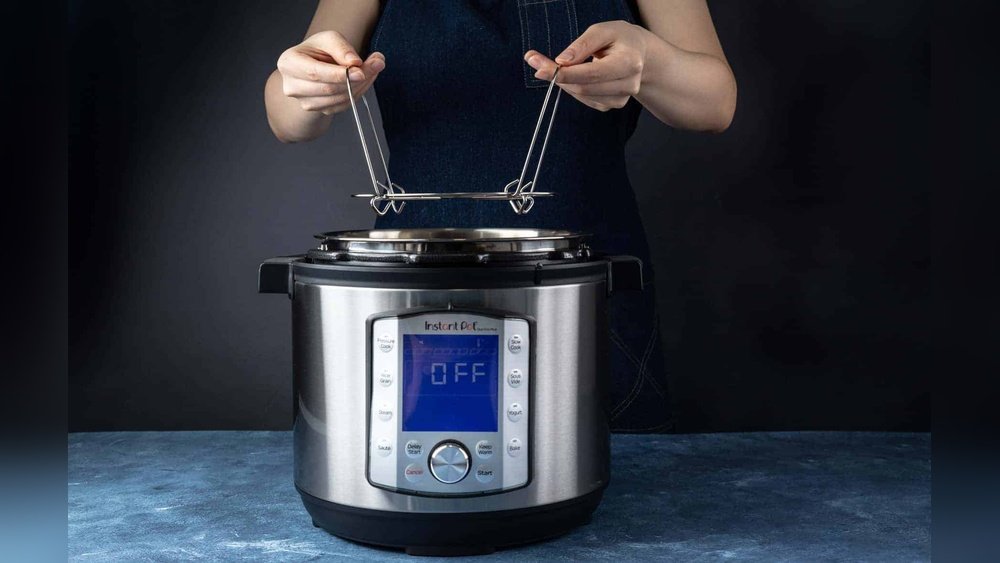
Using an Instant Pot steamer basket can transform the way you cook. This simple tool helps you steam vegetables, seafood, dumplings, and more—all while keeping your Instant Pot clean and making food healthier. Many people buy an Instant Pot but don’t realize how much a steamer basket can do. Maybe you’ve tried using it once or twice and felt confused. Or maybe you still cook everything directly in the inner pot. Learning to use the steamer basket well opens up a world of quick, healthy, and delicious meals.
This guide will teach you everything about using an Instant Pot steamer basket. You’ll get step-by-step instructions, cooking tips, cleaning advice, and solutions for common problems. Whether you want to steam broccoli in five minutes or make a big batch of shrimp, this article covers it all.
You’ll also learn some secrets that even experienced users often miss. By the end, you’ll feel confident using your steamer basket every week.
What Is An Instant Pot Steamer Basket?
A steamer basket is a metal or silicone insert designed to fit inside your Instant Pot. It holds food above the water, letting steam cook it without boiling. Most baskets have small holes or slits so steam can move freely. Handles make it easy to lift the basket in and out.
There are two main types:
- Stainless steel baskets — Sturdy, dishwasher-safe, and usually have foldable handles.
- Silicone baskets — Flexible, often non-stick, and easy to store.
Most baskets fit inside 6-quart or 8-quart Instant Pots, but always check the size before buying. Some baskets have feet to keep them above the water line, while others rest directly on the trivet (the metal rack that comes with the Instant Pot).
Why Use A Steamer Basket?
Steaming is one of the healthiest cooking methods. Food cooks gently, keeping nutrients and flavor. The steamer basket makes this easy in your Instant Pot.
Benefits include:
- Healthier meals: Steaming keeps more vitamins and minerals in veggies compared to boiling.
- No soggy food: Food doesn’t sit in water, so broccoli stays crisp and dumplings don’t fall apart.
- Easier cleanup: The basket keeps food off the pot’s bottom, so less scrubbing.
- Versatility: Steam eggs, fish, potatoes, and more. It’s not just for vegetables.
Many Instant Pot owners don’t realize you can use the steamer basket for batch cooking, reheating leftovers, or even making desserts. And if you cook for kids or picky eaters, it’s a great way to serve plain, simple food with good texture.
Getting Started: What You Need
Before steaming, make sure you have these items ready:
- An Instant Pot (any size, but most baskets fit 6 or 8-quart models)
- A steamer basket (stainless steel or silicone)
- The trivet (usually included with the Instant Pot)
- Water (for steam)
- Tongs or a fork (to remove hot basket safely)
- Your ingredients (vegetables, eggs, fish, etc.)
Check your basket’s manual if you’re unsure about weight limits or dishwasher safety.
How To Use An Instant Pot Steamer Basket: Step-by-step
Let’s walk through the basic process for steaming with a basket. This method works for most foods.
1. Add Water To The Inner Pot
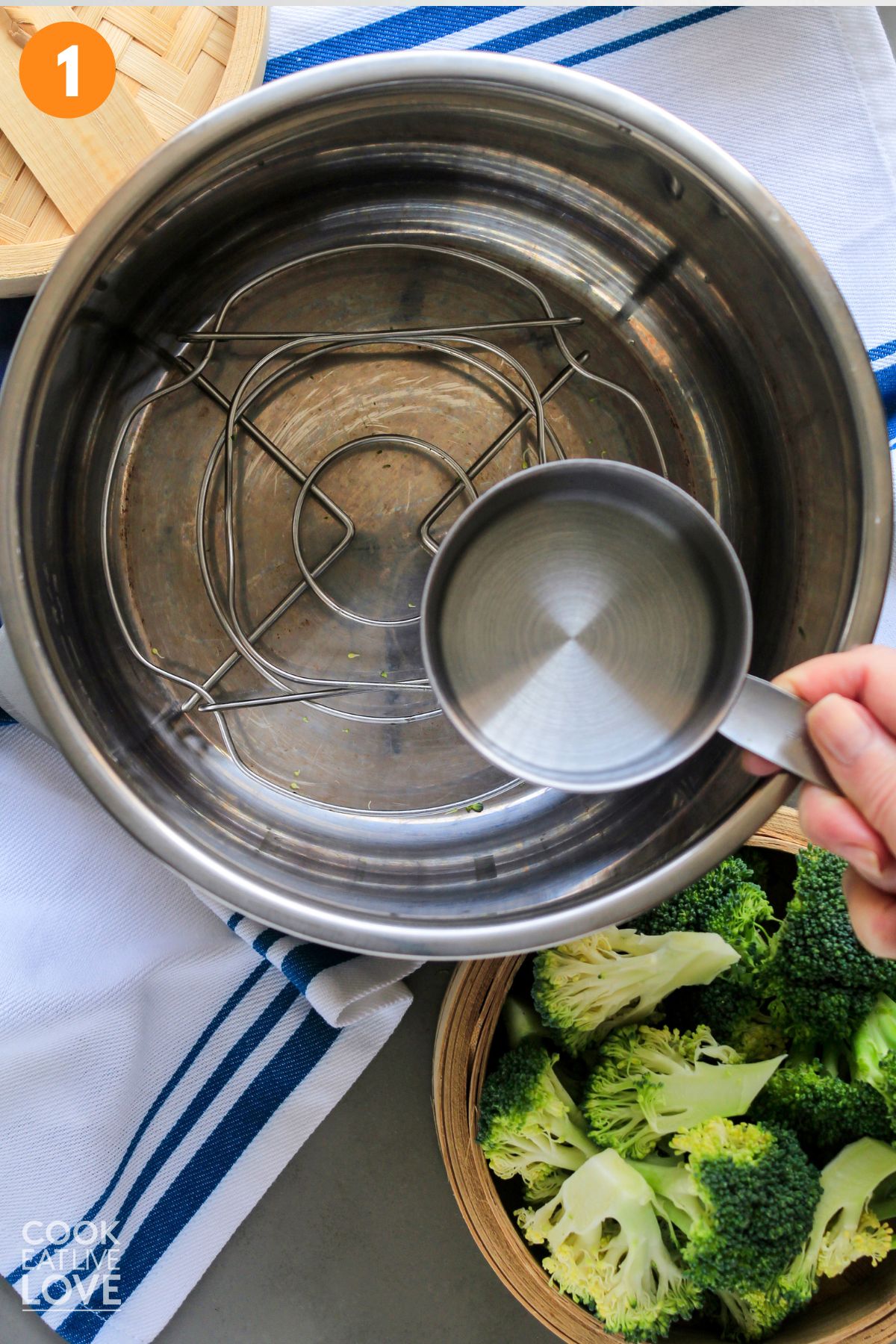
Always pour water into the inner pot first. For most recipes, use 1 to 1.5 cups of water. Too little and your Instant Pot won’t build pressure; too much and you risk soggy food. For larger amounts or longer steaming (like whole potatoes), use up to 2 cups.
Pro tip: Use hot water to help your pot reach pressure faster.
2. Insert The Trivet (if Needed)
If your basket has feet that keep it above the water, you can skip the trivet. If not, place the trivet in the pot so your basket rests above the water line.
3. Load Food Into The Basket
Add your food to the basket. Don’t overfill—steam needs space to circulate. Spread veggies or dumplings in a single layer if possible. For large items (like whole potatoes), arrange them so steam can reach all sides.
4. Place The Basket In The Pot
Carefully lower the basket onto the trivet or inner pot. Make sure the handles are upright, so you can lift the basket out later.
5. Close The Lid And Set The Valve
Seal the lid and set the steam release valve to “Sealing. ” This traps steam and helps build pressure.
6. Select The Cooking Program
Use the “Steam” or “Pressure Cook” button, depending on your recipe. Set the time using the + or – buttons. Most veggies need 1–5 minutes; eggs take 5–6 minutes; fish takes 2–4 minutes.
7. Start Cooking
The Instant Pot will take a few minutes to build pressure, then start the countdown. When finished, it will beep.
8. Release Pressure
For delicate foods (broccoli, fish), use quick release: Carefully turn the valve to “Venting” to let steam out fast. For firmer foods (potatoes), you can use natural release: Wait a few minutes before opening the valve.
9. Remove The Basket
Open the lid carefully, keeping your face away from the steam. Use tongs, a fork, or heatproof gloves to lift out the basket. Let any water drip off before serving.
10. Serve And Enjoy
Your steamed food is ready! Season as you like, or use in recipes.
What Foods Can You Steam In The Basket?
The Instant Pot steamer basket is more versatile than you might think. Here are common foods you can steam:
- Vegetables: Broccoli, carrots, cauliflower, green beans, asparagus, Brussels sprouts, artichokes, sweet potatoes
- Eggs: Hard or soft boiled
- Seafood: Shrimp, fish fillets, scallops, mussels
- Dumplings: Asian dumplings, momos, gyoza
- Potatoes: Whole, cubed, or baby potatoes
- Chicken: Breasts, thighs (for shredded chicken)
- Rice and grains (in heatproof bowl)
- Desserts: Cheesecake, flan (using a covered dish in the basket)
You can also reheat leftovers or steam multiple foods at once (for example, eggs and potatoes together).
Steaming Times For Common Foods
Below is a comparison table of steaming times for popular foods. Times are for pressure cooking on “Steam” mode at high pressure unless noted.
| Food | Amount | Time (minutes) | Release Type |
|---|---|---|---|
| Broccoli florets | 2 cups | 0–1 | Quick Release |
| Carrots (sliced) | 2 cups | 2–3 | Quick Release |
| Baby potatoes | 1 lb | 8–10 | Quick Release |
| Hard boiled eggs | 6 eggs | 5 | Quick Release |
| Shrimp (large) | 1 lb | 2 | Quick Release |
| Fish fillets | 4 pieces | 2–4 | Quick Release |
| Asparagus | 1 bunch | 0–1 | Quick Release |
| Dumplings | 1 layer | 2–3 | Quick Release |
Non-obvious tip: For crisp-tender veggies, use the lowest time and quick release. For softer, add a minute.
Best Practices For Steaming
Don’t Overcrowd The Basket
Too much food blocks steam, causing uneven cooking. Spread pieces out, especially for vegetables or dumplings.
Use The Right Amount Of Water
Most foods need 1–1. 5 cups of water. More water doesn’t make food cook faster—it just takes longer to reach pressure.
Quick Release For Delicate Foods
Broccoli, fish, and dumplings can overcook quickly. Always use quick release so steam stops cooking them right away.
Layering Foods
You can steam two foods at once if they cook in the same time. For example, hard boiled eggs and potatoes. Put the heavier item on the bottom.
Advanced tip: Put eggs on the bottom and veggies on top for quick meal prep.
Add Seasonings After Steaming
Salt, pepper, lemon juice, or butter taste best when added after cooking. Steaming with seasoning doesn’t add much flavor, since water washes it away.
Use Parchment Paper Or Foil For Sticky Foods
Line the basket with parchment or foil for foods like dumplings or sticky rice. Poke a few holes for steam to pass through.
Cleaning And Caring For Your Steamer Basket
Keeping your steamer basket clean helps it last longer and keeps food tasting fresh.
Stainless Steel Baskets
- Wash in the dishwasher or by hand with hot, soapy water.
- Scrub stubborn stains with a brush or baking soda paste.
- Dry right away to prevent rust.
Silicone Baskets
- Dishwasher safe and easy to rinse.
- Wipe away oily residue with a paper towel.
Removing Odors
If your basket smells (like from seafood), soak it in a mix of water and vinegar for 10–15 minutes, then rinse well.
Storage
- Fold handles down to save space.
- Store the basket inside the Instant Pot when not in use.

Credit: instantpot.com
Steamer Basket Vs. Trivet: What’s The Difference?
Many beginners confuse the trivet and steamer basket. Here’s a quick comparison:
| Feature | Trivet | Steamer Basket |
|---|---|---|
| Purpose | Keeps food above water, supports dishes | Holds small foods for steaming |
| Design | Wire rack with legs | Basket with holes, handles, sometimes feet |
| Best for | Eggs, cakes, pans | Vegetables, seafood, dumplings |
Key point: The steamer basket is for small or loose foods; the trivet is for holding pans or big items.
Choosing The Right Steamer Basket
Not all baskets are the same. Here’s how to choose one that works for you:
- Size: Make sure the basket fits your Instant Pot. Most are for 6 or 8-quart models.
- Material: Stainless steel is durable and dishwasher safe. Silicone is non-stick and flexible.
- Handles: Look for sturdy handles that stay cool and fold down for storage.
- Hole size: Small holes keep peas or grains from falling through.
- Feet or trivet: Some baskets have built-in feet, so you don’t need the trivet.
Common mistake: Buying a basket that’s too big or small for your pot. Measure your Instant Pot’s inner diameter before shopping.
Credit: qrps.de
Advanced Steaming Techniques
If you want to get more out of your Instant Pot steamer basket, try these methods:
Pot-in-pot Steaming
Put a heatproof bowl or small dish inside the basket to steam grains, puddings, or custards. Add water to the inner pot as usual.
Batch Cooking
Steam several batches of veggies, eggs, or dumplings. Cool and store for meal prep. Steamed foods reheat well and hold their texture.
Steaming Multiple Layers
Some baskets come with stackable trays. Steam different foods at once—like veggies on one level and fish on another.
Using Foil Packets
Wrap fish, chicken, or veggies in foil with seasonings. Place packets in the basket and steam. This keeps flavors separate and makes cleanup easy.
Reheating Leftovers
Place cooked rice, pasta, or vegetables in the basket. Steam for 1–3 minutes to refresh leftovers without drying them out.
Pro insight: Steaming is great for picky eaters or allergies—cook plain foods and add flavor at the table.
Common Mistakes And How To Avoid Them
Even experienced users sometimes make these mistakes with a steamer basket:
Not Enough Water
Your Instant Pot needs enough water to build steam. Less than 1 cup will trigger a “burn” or “add water” warning.
Overcooking
Steam cooks fast. One extra minute can turn broccoli mushy. Always use the lowest time and quick release, especially for vegetables.
Stacking Foods Wrong
Heavy foods on top can smash delicate ones underneath. Put potatoes or eggs on the bottom, light veggies on top.
Forgetting To Use The Trivet
If your basket doesn’t have feet, it must sit on the trivet. Otherwise, food touches water and boils instead of steams.
Not Cleaning The Basket Well
Food bits and water spots build up. Clean and dry the basket after every use to prevent odors or rust.
Recipes To Try With Your Steamer Basket
Here are two easy recipes that show the power of the Instant Pot steamer basket.
Steamed Broccoli
- 1 head broccoli, cut in florets
- 1 cup water
- Place water, trivet, and basket in pot. Add broccoli.
- Steam for 0–1 minutes at high pressure. Quick release.
- Toss with olive oil, salt, and pepper.
Shrimp And Veggie Mix
- 1 lb large shrimp, peeled
- 1 cup snap peas
- 1 cup baby carrots
- 1 cup water
- Place water, trivet, and basket in pot. Add shrimp and veggies.
- Steam for 2 minutes at high pressure. Quick release.
- Serve with lemon wedges.
Tip: Try steaming sweet potatoes, artichokes, or Asian dumplings for variety.
Troubleshooting: Solving Common Problems
If you run into trouble, these solutions can help:
The Pot Won’t Pressurize
- Check water level—add at least 1 cup.
- Make sure the steam valve is set to “Sealing.”
- The sealing ring must be in place and clean.
Food Is Undercooked
- Cut pieces smaller for even cooking.
- Add 1–2 extra minutes next time.
- Check for steam leaks around the lid.
Food Is Overcooked
- Use less time and quick release.
- Spread food in a single layer.
- Open the lid right away after releasing pressure.
Basket Is Hard To Remove
- Let the basket cool for a minute.
- Use tongs or gloves for safety.
- Lift handles straight up to avoid spills.
Pro tip: Always check the Instant Pot display for errors. The “burn” warning often means too little water.
Instant Pot Steamer Basket Care: Long-term Tips
- Dry the basket fully after washing to prevent rust.
- Soak in vinegar and water every month to remove mineral buildup.
- Replace the basket if it shows cracks, rust, or broken handles.
A well-cared basket lasts for years and makes cooking simpler.
When Not To Use The Steamer Basket
There are a few times when you should skip the basket:
- Soups or stews: Ingredients should be submerged in liquid.
- Very large cuts of meat: These cook best directly on the trivet.
- Recipes that call for sautéing: Sear meat or onions in the inner pot, not the basket.
If a recipe says to “steam,” the basket is your friend. If it says to “pressure cook in sauce,” skip the basket.
Comparing Steamer Basket Materials
If you’re not sure which basket to buy, here’s a quick comparison of stainless steel and silicone baskets:
| Feature | Stainless Steel | Silicone |
|---|---|---|
| Durability | Very high | High, but can tear |
| Dishwasher safe | Yes | Yes |
| Non-stick | No | Yes |
| Handles get hot | Yes | No |
| Stores easily | Some fold | Flexible, easy to store |
| Price range | Moderate | Moderate to high |
Expert advice: Stainless steel lasts longer and is best for heavy use. Silicone is easier for sticky foods and kids.
Safety Tips For Using A Steamer Basket
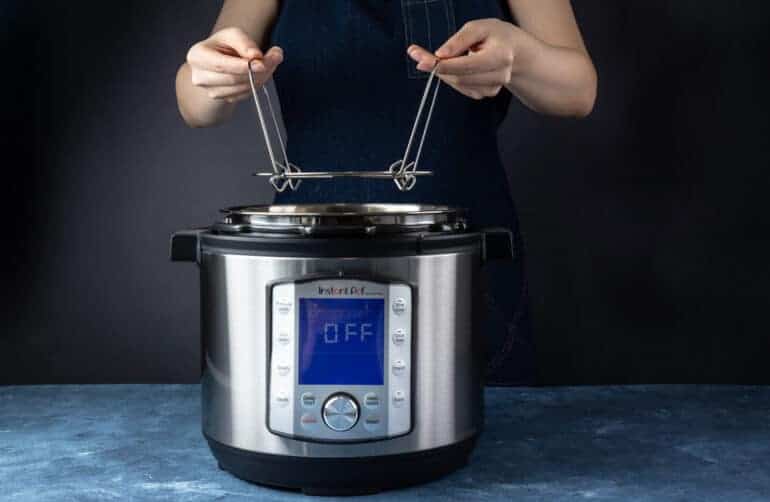
- Always use oven mitts, tongs, or a fork to lift a hot basket.
- Let steam escape fully before opening the lid.
- Don’t let children reach over the pot when releasing steam.
- Check basket handles for wear—replace if loose or broken.
- Never steam without water in the pot.
Burns are rare if you follow these steps, but steam is hot—respect it!
Credit: qrps.de
Where To Learn More
If you want more advanced recipes or science-backed steaming methods, check out Instant Pot Official Recipes for inspiration and detailed guides.
Frequently Asked Questions
How Much Water Do I Need For Steaming In The Instant Pot?
Most foods need 1 to 1.5 cups of water. For longer steaming (like potatoes or large batches), use up to 2 cups. Too little water prevents steam; too much just delays pressure build-up.
Can I Stack Food In The Steamer Basket?
Yes, you can stack food, but it may cook unevenly. For best results, spread food in a single layer, especially for veggies and dumplings. Stack only if all pieces are the same size and type.
Is The Steamer Basket Dishwasher Safe?
Most stainless steel and silicone baskets are dishwasher safe. Always check the manufacturer’s instructions. Dry the basket after washing to prevent rust or odor.
Can I Use The Steamer Basket For Non-steaming Recipes?
Yes! Use it to rinse rice, wash produce, or as a colander. You can also use it for “pot-in-pot” cooking, like making cheesecake or flan in a dish placed inside the basket.
Why Is My Food Soggy After Steaming?
Soggy food often means overcooking or using too much water. Use the shortest time and quick release for delicate foods. Don’t let food sit in steam after cooking—remove the basket right away.
—
Learning how to use an Instant Pot steamer basket unlocks new ways to eat healthy, save time, and enjoy fresh flavors. With just a little practice, you’ll find steaming is one of the easiest, most reliable techniques in your kitchen.
Whether you want perfect veggies, easy meal prep, or quick snacks for your family, the steamer basket makes it simple. Don’t let it sit in your cupboard—try these tips and recipes, and your Instant Pot will become even more valuable.