
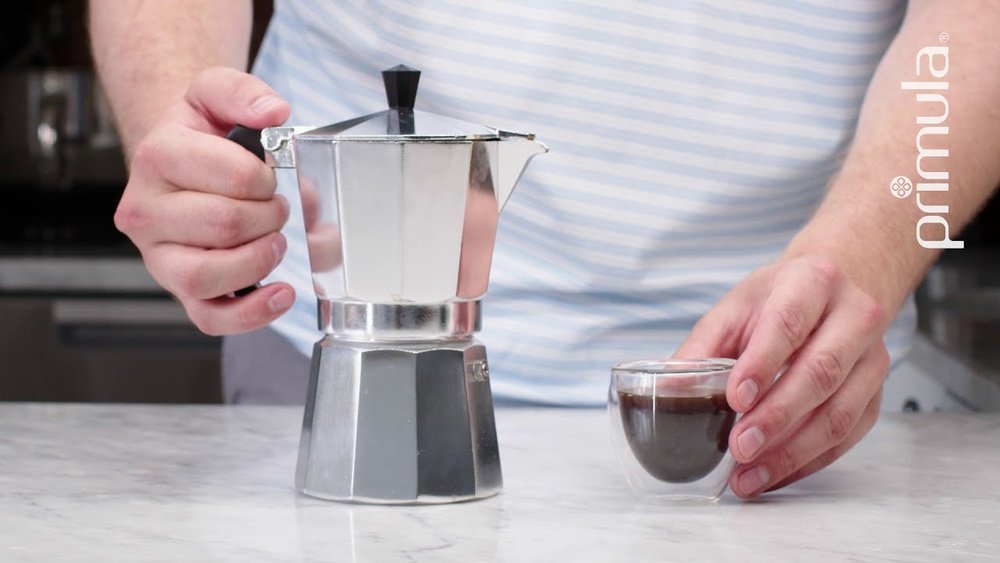
Making rich, aromatic espresso at home is a joy for coffee lovers everywhere. The Primula Stovetop Espresso Maker has become a favorite tool for many who want to enjoy café-quality espresso without expensive machines or complicated processes. Whether you’re new to stovetop espresso or looking to perfect your routine, learning to use this classic brewer can transform your daily coffee experience. Let’s explore everything you need to know—from setting up your Primula to cleaning, troubleshooting, and enjoying the best espresso possible.
What Is A Primula Stovetop Espresso Maker?
The Primula Stovetop Espresso Maker is a type of moka pot—a traditional Italian coffee brewer that sits on your stove. It uses steam pressure to force hot water through finely-ground coffee, producing a strong, concentrated drink. This method is more affordable than electric espresso machines, and with a little practice, it delivers excellent results. The Primula is made from durable aluminum or stainless steel, with a simple design that’s easy to use and clean.
Why Choose A Stovetop Espresso Maker?
Many people wonder why they should pick a stovetop espresso maker over other coffee tools. Here are some clear reasons:
- Cost-effective: Moka pots like the Primula are much cheaper than electric espresso machines.
- Compact size: They fit easily in small kitchens or for travel.
- No electricity needed: Perfect for camping or power outages.
- Rich flavor: Stovetop espresso has a unique, bold taste, loved by coffee fans.
- Easy to use: No complicated buttons or settings.
Understanding The Parts Of Your Primula
Before you start, it’s important to know each part of your espresso maker. This helps you assemble, clean, and use it correctly.
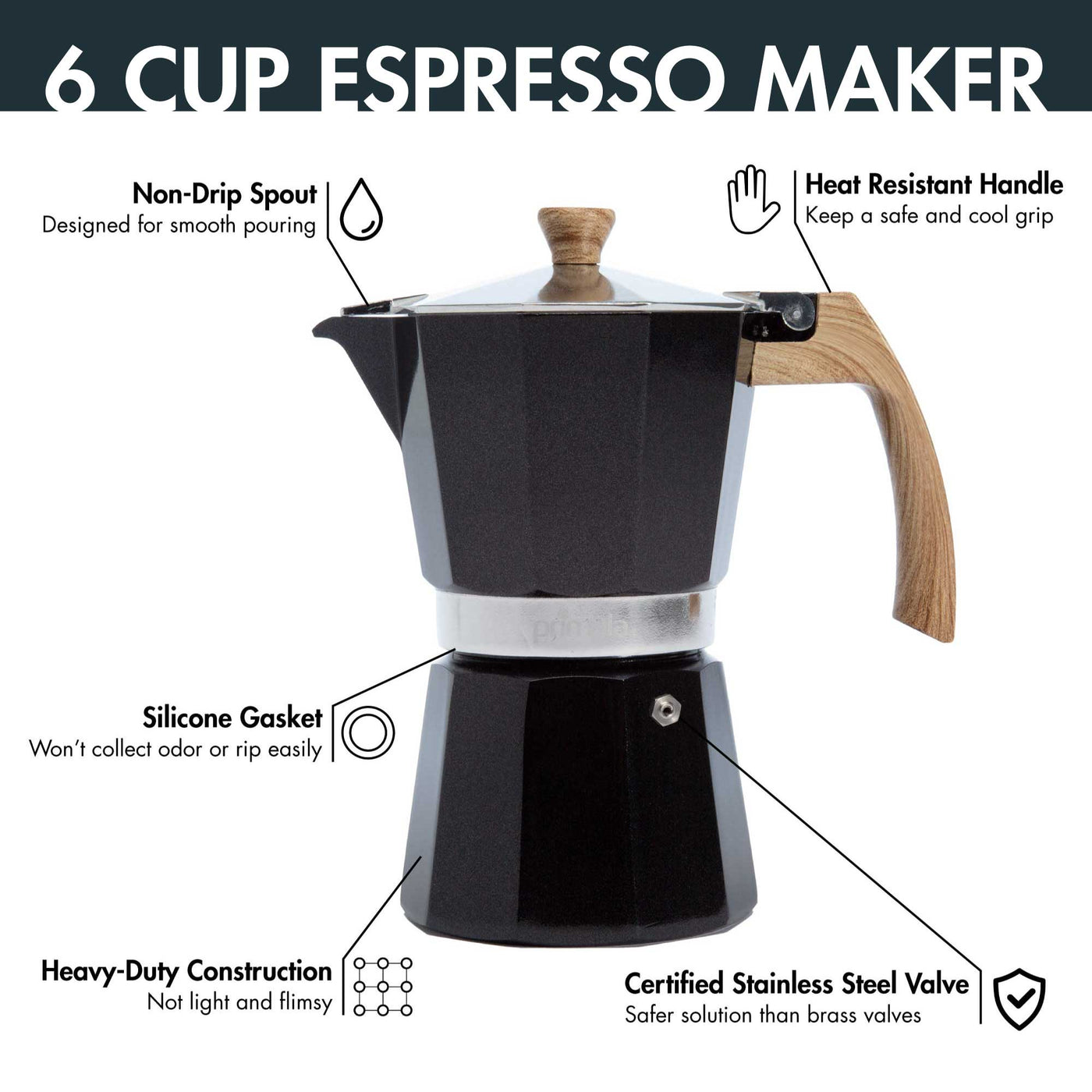
- Bottom Chamber: Holds the water.
- Filter Funnel (Basket): Where you place the ground coffee.
- Gasket: A rubber ring that creates a tight seal.
- Filter Plate: Keeps coffee grounds from entering the top chamber.
- Top Chamber (Collecting Chamber): Where the brewed espresso collects.
- Safety Valve: Releases pressure for safety.
Every part must be clean and properly fitted for best results. If any piece is missing or damaged, the espresso may not brew correctly, and safety could be at risk.
Choosing The Right Coffee And Grind
The secret to delicious stovetop espresso is using the right coffee and grind size. Not every coffee works well in a moka pot.
- Use freshly roasted, high-quality beans for the best flavor.
- Grind your coffee to a texture between table salt and flour—finer than drip coffee, but not as fine as powdery espresso.
- Avoid pre-ground coffee if possible; it loses flavor quickly.
A common mistake is using regular drip coffee grind, which produces weak, watery results. Too fine a grind can clog the filter and create bitter, over-extracted coffee.
Credit: primulaproducts.com
Measuring And Preparing The Coffee
Getting the right balance is essential. A typical 6-cup Primula uses about 18–22 grams (3–4 tablespoons) of ground coffee. Do not press or pack the grounds; just fill the basket level and shake gently to settle.
For stronger coffee, you can use a little more, but never overfill or tamp the grounds. This can block the water flow and cause pressure build-up.
Filling The Water Chamber
The amount and temperature of water matter as much as the coffee:
- Fill the bottom chamber with fresh, cold water up to the safety valve. Do not cover the valve.
- Some experts recommend using hot water to speed up brewing and avoid overheating the coffee, but cold water is standard for beginners.
Never overfill the chamber—this can cause leaks or weak coffee.
Assembling The Primula Espresso Maker
Correct assembly is simple, but every step counts:
- Place the filter funnel into the bottom chamber.
- Fill the funnel with ground coffee, level off, and avoid tamping.
- Screw the top chamber onto the bottom firmly, but do not force.
- Make sure the gasket is clean and in place to prevent leaks.
A common beginner mistake is cross-threading the pieces. Always check for a smooth, tight fit.
Brewing Espresso On The Stove
Now comes the exciting part: brewing your coffee.
- Place the assembled Primula on the stove over medium-low heat.
- Keep the lid open to watch the brewing process, if you like.
- Within a few minutes, you’ll hear a hissing sound, and dark coffee will start to flow into the top chamber.
- When the top is full and the sound becomes more sputtery, remove the pot from heat.
Don’t use high heat. Fast brewing can burn the coffee and cause bitter flavors. Slower brewing allows better extraction and a smoother taste.
Timing And Monitoring Your Brew
Watching the brew is important for perfect results:
- The brewing process usually takes 4 to 7 minutes.
- If coffee gushes too quickly, the heat is too high or the grind is too coarse.
- If it takes longer, the grind may be too fine, or the heat too low.
Remove the pot from heat as soon as you hear a “gurgling” or sputtering sound. This means all water is through, and extra heat can create burnt flavors.
Serving And Enjoying Your Espresso
Now it’s time to pour and enjoy your espresso:
- Pour the coffee immediately into small cups (demitasse or espresso cups).
- Stir the top chamber gently with a spoon before pouring. This mixes the stronger and lighter parts for an even flavor.
- Drink as is, or add sugar, milk, or hot water for an americano.
Espresso from a Primula is stronger than regular coffee but lighter than true espresso machines. It’s perfect for cappuccinos, lattes, or iced drinks.

Credit: www.amazon.com
Cleaning And Maintenance
Proper cleaning keeps your espresso maker working well and your coffee tasting great.
- Wait for the pot to cool before cleaning.
- Disassemble all parts. Rinse them under warm water.
- Use a soft brush or cloth to remove coffee oils and grounds.
- Do not use soap or put in the dishwasher—this can leave flavors behind.
- Dry all parts completely to avoid rust or mold.
Check the gasket often. If it’s worn, cracked, or loose, replace it for safety and a good seal.
Common Mistakes And How To Avoid Them
Even experienced users can make mistakes with their Primula. Avoid these common problems:
- Overfilling water or coffee: Always stop at the safety valve and never tamp the grounds.
- Using the wrong grind: Too coarse = weak coffee; too fine = blockages and bitterness.
- High heat: Causes burnt, bitter flavors.
- Ignoring the gasket: A bad gasket means leaks and poor pressure.
- Not cleaning regularly: Old coffee oils ruin taste and can cause blockages.
If you notice sputtering, leaks, or weak coffee, check your assembly and try adjusting your grind or heat.
Troubleshooting Your Primula Stovetop Espresso Maker
Sometimes things go wrong. Here’s how to fix the most common issues:
1. Coffee Not Brewing
- Check if the coffee is too fine, or the basket is packed too tightly.
- Make sure the water level is correct.
- Inspect the safety valve for blockages.
2. Coffee Tastes Bitter Or Burnt
- Reduce the heat.
- Use a coarser grind.
- Remove from the stove as soon as brewing finishes.
3. Leaks Or Steam Escaping
- Check the gasket for damage.
- Make sure all parts are screwed together tightly.
- Don’t overfill water.
4. Weak Or Watery Coffee
- Use more coffee grounds.
- Adjust to a finer grind.
- Make sure the filter is not clogged.
5. Metallic Taste
- This is common with new pots. Run a few cycles with just water to remove factory oils.
Upgrading Your Coffee Experience
The Primula is simple, but a few upgrades make a big difference:
- Use filtered water to avoid mineral buildup and improve taste.
- Try different coffee beans—single origin, blends, or dark roasts.
- Preheat your cups for a hotter espresso.
- Experiment with adding a pinch of salt or a few drops of vanilla for variety.
How Does Primula Compare To Other Espresso Makers?
People often ask how the Primula stacks up against other brewers. Here’s a useful comparison:
| Brewer Type | Cost | Ease of Use | Flavor Strength | Cleaning |
|---|---|---|---|---|
| Primula Stovetop | Low | Easy | Strong | Easy |
| Electric Espresso Machine | High | Medium/Hard | Very Strong | Medium |
| French Press | Low | Easy | Medium | Easy |
| Pour Over | Low | Medium | Light/Medium | Easy |
As you can see, the Primula is affordable, simple, and makes strong coffee, making it a great choice for home baristas.
Step-by-step Guide: Using Your Primula Stovetop Espresso Maker
Let’s put all the knowledge together. Here’s a complete walkthrough you can follow every time.
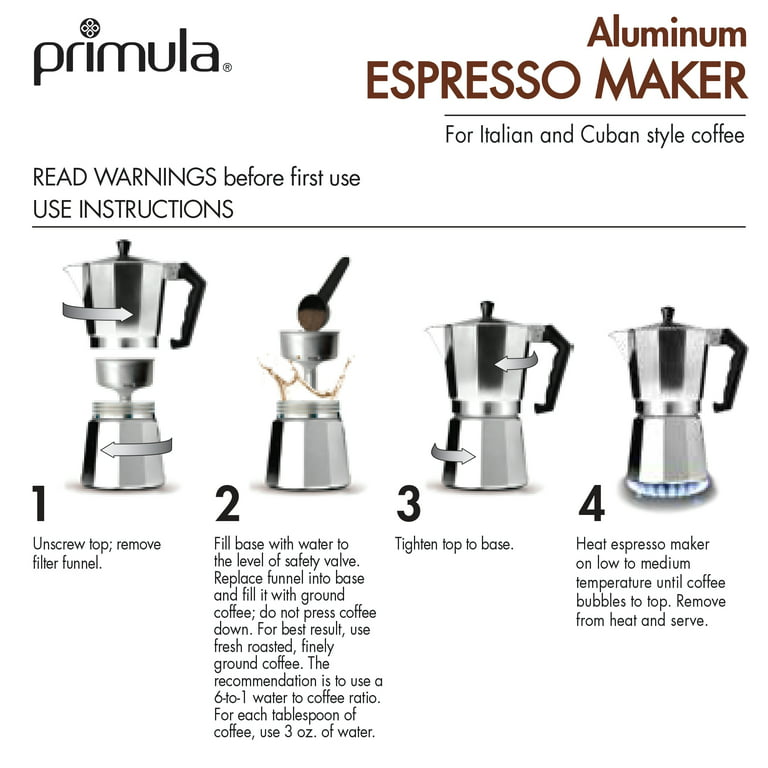
- Disassemble your Primula and check that all parts are clean and dry.
- Fill the bottom chamber with cold water up to (but not above) the safety valve.
- Insert the filter basket and fill with freshly ground coffee, leveling off but not packing.
- Check the gasket and screw the top chamber on securely.
- Place on the stove over medium-low heat.
- Watch for brewing—coffee will fill the top chamber with a rich, dark stream.
- Listen for sputtering—when the sound changes, remove from heat.
- Pour and enjoy immediately, mixing with a spoon for even flavor.
- Clean all parts after each use, drying completely before reassembling.
Use this routine for reliable, tasty espresso every time.
Credit: www.walmart.com
Safety Tips For Using A Stovetop Espresso Maker
Working with steam pressure means safety is important. Follow these simple tips:
- Never brew without water in the bottom chamber.
- Always check the safety valve is clear and working.
- Do not use damaged or swollen gaskets.
- Do not overfill with coffee or water.
- Never leave the pot unattended on high heat.
If you see steam escaping from the sides or the pot rattles, remove it from the heat immediately.
How To Store Your Primula Espresso Maker
Proper storage keeps your espresso maker in top condition:
- Dry all parts completely before storing.
- Store disassembled to let air circulate and prevent odors.
- Keep out of damp places to avoid rust or mold.
- Replace the gasket every 6–12 months if used daily.
Primula Espresso Maker Sizes And Which To Choose
Primula moka pots come in different sizes—1 cup, 3 cup, 6 cup, 9 cup, and more. Choosing the right one depends on your needs.
| Size | Number of Cups | Best For |
|---|---|---|
| 1 Cup | 1 small (2 oz) | Solo drinkers |
| 3 Cup | 2–3 small (2–3 oz each) | Couples or small households |
| 6 Cup | 4–6 small | Families or guests |
| 9 Cup | 6–9 small | Entertaining, heavy drinkers |
Remember, espresso cups are small (about 2 ounces). If you want to make larger drinks, choose a bigger size.
Tips For Getting Better Espresso
Here are a few extra tips that many beginners miss:
- Warm the water in the bottom chamber before brewing (but be careful when handling hot parts).
- Twist gently, not forcefully when assembling. Forcing can damage the threads and gasket.
- Use a scale to measure coffee for more consistent results.
- Experiment with different roasts and origins to find your favorite flavor.
- Descale the pot every few months with a solution of water and vinegar if you have hard water.
Cleaning Deeply: Removing Stains And Build-up
Over time, coffee oils can leave stains or residue in your Primula. Here’s how to give it a deep clean:
- Soak all parts (except the gasket) in a solution of 1 part vinegar to 3 parts water for 30 minutes.
- Scrub gently with a soft brush.
- Rinse thoroughly to remove any vinegar smell.
- Dry all parts before reassembling.
Do not use harsh chemicals or scrubbers. They can scratch or damage the metal.
Making Different Coffee Drinks With Your Primula
Once you master basic espresso, try making other drinks:
- Americano: Add hot water to your espresso for a larger, milder cup.
- Cappuccino: Steam or froth milk and pour over your espresso.
- Latte: Add more steamed milk for a creamier drink.
- Iced coffee: Brew as usual, then pour over ice and add milk or sugar.
The Primula is very flexible—try new recipes and find what you like best.
When To Replace Parts Or Upgrade
Regular use means parts will wear out:
- Gasket: Replace if it feels loose, cracked, or leaks appear.
- Filter Plate or Basket: If holes are clogged or warped, get new ones.
- Whole Pot: If the safety valve fails or metal is damaged, buy a new pot.
Most replacement parts are affordable and easy to find. Never try to repair a broken safety valve yourself—this is a crucial safety feature.
Frequently Asked Questions
How Do I Know If My Primula Is Working Correctly?
If your espresso brews in about 4–7 minutes, with a steady, dark stream and no leaks or strange noises, your Primula is working well. If you notice sputtering, leaks, or weak coffee, check the gasket, grind size, and assembly.
Can I Use My Primula On An Induction Stove?
Most standard aluminum Primula models do not work on induction stoves. However, some stainless steel models are induction-compatible. Always check the manufacturer’s instructions before use.
Why Does My Coffee Taste Metallic Or Bitter?
A metallic taste is common with new pots—run a few cycles with just water first. Bitterness usually means the heat is too high, the grind is too fine, or you left the pot on the stove too long. Adjust these factors for smoother espresso.
How Often Should I Clean My Primula?
Rinse and dry after every use. Deep clean with vinegar and water every few weeks, especially if you notice stains or a change in flavor. Regular cleaning prevents blockages and keeps your coffee tasting fresh.
Where Can I Find Replacement Gaskets Or Parts?
You can find replacement parts at kitchen stores, online retailers, or the official Primula website. Always use genuine parts for safety and best performance. For more details, visit the Primula official site.
Using a Primula Stovetop Espresso Maker is a rewarding way to make rich, delicious coffee at home. With a little practice and care, you’ll enjoy café-style espresso for years to come—at a fraction of the cost, with the pride of making it yourself. Enjoy your brewing adventure!