
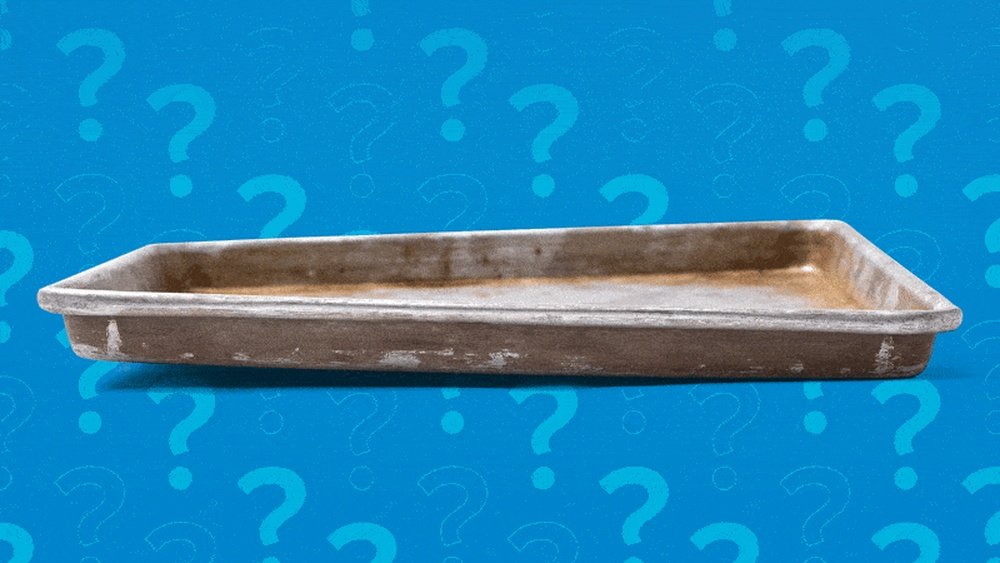
Baking at home should be a joy, but there’s one common problem that can ruin the experience: your baking sheets suddenly warp in the oven. You start with a flat, shiny tray, but halfway through baking, you hear a loud “clank” and see your cookies slide to one side. Warping is more than an annoyance; it can cause uneven baking, spilled juices, and even burnt food. Many home cooks ask, “How can I stop my baking sheets from warping?” The good news is you don’t have to settle for ruined pans or unpredictable results. With the right knowledge, you can keep your baking sheets straight, safe, and long-lasting.
Let’s explore why baking sheets warp, what you can do to prevent it, and practical steps to keep your kitchen running smoothly. We’ll cover buying the right pans, using them properly, and tips even experienced bakers often miss. By the end, you’ll be confident your next batch of cookies or roasted veggies will bake perfectly—without any surprises.
Why Do Baking Sheets Warp?
Understanding why baking sheets warp is the first step to solving the problem. When you put a cold or room-temperature baking sheet into a hot oven, the metal expands quickly. If the sheet is thin or has weak construction, different parts expand at different speeds. This stress causes the metal to bend or snap, creating that loud sound and a warped surface.
Most baking sheets are made from aluminum or stainless steel. While both metals conduct heat well, they also expand when heated. A thin sheet, or one with poor design, has little strength to resist this force. Cheaper pans often have rolled edges that trap air or have uneven thickness, making them even more likely to warp.
Some warping is temporary—the sheet may flatten again as it cools. But repeated warping can cause permanent bends, making your pan unusable for some recipes. This is why prevention is so important.
Choosing The Right Baking Sheet
The best way to avoid warping is to start with a high-quality baking sheet. Not all pans are created equal, and spending a little more can save you headaches later.
Material Matters
Most baking sheets are made from:
- Aluminum: Lightweight, great heat conductor, but more prone to warping if thin.
- Stainless steel: Stronger and less likely to warp, but can heat unevenly and is heavier.
- Aluminized steel: Steel coated with aluminum, combines strength and good heat conduction.
- Nonstick coatings: Can be on any base metal, help with cleanup but don’t affect warping much.
Each material has pros and cons. Aluminum is popular because it bakes evenly, but not all aluminum is equal. Look for “heavy gauge” or “commercial grade” sheets. Thicker aluminum is much less likely to warp.
Thickness Comparison
You’ll often see baking sheet thickness measured in gauge—the lower the number, the thicker the metal. For home bakers, 13–18 gauge is ideal. Thinner pans (higher gauge numbers) are cheaper but warp easily.
Here’s a quick comparison:
| Gauge | Approx. Thickness (inches) | Warping Risk |
|---|---|---|
| 10 | 0.102 | Very low |
| 13 | 0.072 | Low |
| 18 | 0.040 | Medium |
| 20+ | 0.032 or less | High |
Choosing a lower gauge (thicker) sheet pays off in durability and performance.
Rimmed Vs. Rimless
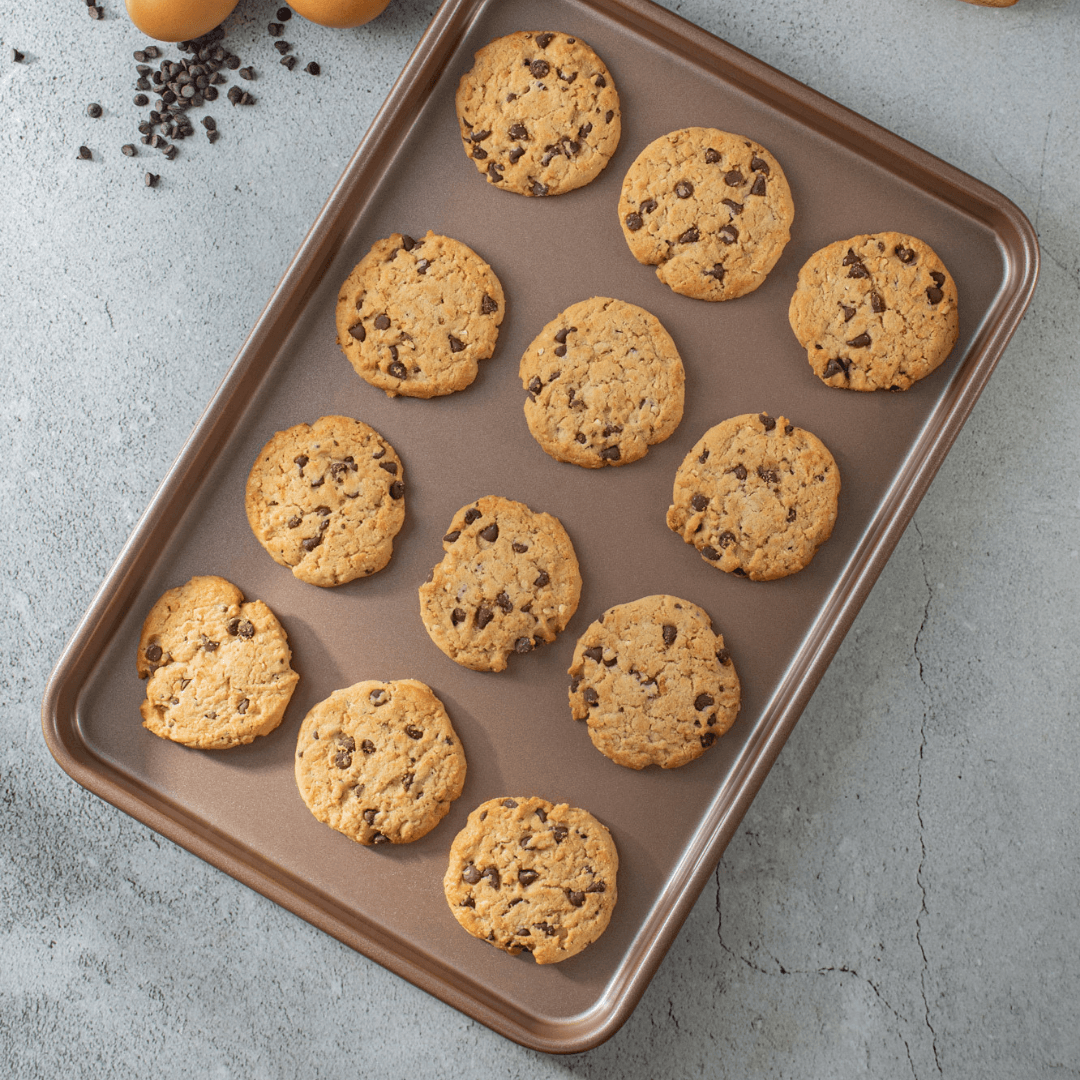
Rimmed baking sheets (also called half-sheet pans) have rolled edges, which add strength and help prevent warping. Rimless sheets are lighter and easier to slide cookies off, but are much more likely to warp. For most baking and roasting, rimmed sheets are the safer choice.
Reinforced Design
Some pans come with reinforced rims or wire rods inside the edges. This feature gives the sheet extra rigidity. If you often bake at high heat, look for this design.
Non-obvious Insight 1
Many home bakers don’t realize that restaurant supply stores sell very affordable, high-quality, thick aluminum pans. These often outperform “fancy” retail brands and last for years.
Credit: www.happiels.com
Proper Use And Handling
Even the best baking sheet can warp if used incorrectly. Small habits make a big difference in keeping your pans flat.
Avoid Sudden Temperature Changes
Metal expands and contracts with heat. If you put a cold sheet into a hot oven, or pour cold water on a hot pan, you create rapid temperature changes that stress the metal.
- Let pans reach room temperature before baking.
- After baking, let the pan cool on the counter. Don’t run it under cold water while still hot.
Use Parchment Paper Or Silicone Mats
Lining your sheet with parchment paper or a silicone baking mat helps distribute heat evenly. It also reduces direct contact between food and metal, slightly lowering thermal stress.
Don’t Overload With Food
Heavy or dense food (like big piles of potatoes) can add extra stress. Spread food in a single layer, and avoid piling up heavy items, especially on thin pans.
Preheat The Oven Fully
Putting baking sheets into an oven that’s still heating up can cause uneven expansion. Wait until your oven is at the right temperature before baking.
Don’t Use High Broil
Most standard baking sheets are not made for broiler temperatures (500°F or higher). If you need to broil, use a pan rated for high heat or a cast iron tray.
Non-obvious Insight 2
If you use convection ovens (with fans), air flows can heat some sheet corners faster than others. Rotate your sheets halfway through baking to reduce uneven stress and warping.
Baking Sheet Brands And Models: How They Compare
Not all brands are equal. Some invest in thicker materials and better construction, while others focus on price. Here’s a comparison of popular baking sheet brands:
| Brand/Model | Material | Gauge | Reinforced Rim | Warp Resistance |
|---|---|---|---|---|
| Nordic Ware Naturals | Aluminum | 13 | Yes | High |
| USA Pan | Aluminized Steel | 13 | Yes (steel wire) | Very High |
| Wilton | Steel | 18 | No | Medium |
| Amazon Basics | Aluminum | 18 | No | Low |
| Vollrath Wear-Ever | Aluminum | 13 | Yes (wire) | Very High |
When shopping, check for thickness, rim reinforcement, and heat resistance rating.

Credit: www.youtube.com
Smart Care And Maintenance
How you clean and store your baking sheets can also affect their lifespan and warping risk.
Hand Wash When Possible
High heat and harsh chemicals in dishwashers can weaken metal or coatings over time. Hand washing in warm, soapy water is gentler.
Dry Immediately
After washing, dry your pans right away. Leaving water on the metal can cause rust (on steel or steel-reinforced rims) or weaken seams.
Store Flat
Stacking heavy items on top of your baking sheets can bend them. Store pans flat, with nothing heavy on top, and avoid forcing them into tight cabinets.
Avoid Metal Utensils
Using metal spatulas or knives can scratch nonstick coatings and expose the metal, which may weaken the sheet and increase warping risk over time.
Remove Stuck Food Gently
If food is stuck, soak the pan in warm water before scrubbing. Avoid chipping or prying, as this can damage the sheet.
Practical Tip
If you have a warped pan, sometimes you can gently bend it back by hand. Lay it upside down on a towel and press in the opposite direction of the bend. This works best for mild warping and on thicker sheets.
Baking Sheet Alternatives
Some recipes and cooking styles are more likely to warp pans. If you bake at very high heat or under the broiler, consider these alternatives:
- Cast iron griddles: Extremely strong, almost impossible to warp, but heavy and need seasoning.
- Enamel-coated steel trays: Very tough, but can chip if dropped.
- Pizza stones or baking steels: Great for pizza or bread, but not practical for cookies or roasting veggies.
These options may cost more and require special care, but they last a lifetime and never warp.
Practical Steps To Stop Baking Sheets From Warping
Let’s bring everything together into a step-by-step guide you can follow in your own kitchen.
- Buy thicker, heavy-duty sheets (13–18 gauge) with reinforced rims.
- Let pans come to room temperature before baking. Don’t take from fridge to oven.
- Preheat the oven fully before inserting your baking sheets.
- Line sheets with parchment paper or a silicone mat for even heat and easy cleanup.
- Spread food in a single layer—don’t overload.
- Avoid very high oven temperatures (over 450°F) if possible.
- Don’t use under the broiler unless the pan is rated for it.
- Let pans cool slowly after baking, away from cold air or water.
- Hand wash and dry immediately to protect metal and coatings.
- Store flat, without heavy objects on top.
- If warping does happen, gently bend back only if the pan is thick and not cracked.
- Rotate pans during baking if using convection ovens.
- Replace old, thin pans that warp repeatedly—they can affect baking quality.
Following these steps will dramatically reduce warping, save you money, and make baking more enjoyable.
Common Mistakes To Avoid
Many people try to “fix” warping with shortcuts that actually make things worse. Here are some things to avoid:
- Cooling pans with water: Quenching a hot pan with water may cool it fast, but will cause even more warping.
- Using warped pans for cookies: Even if the pan mostly flattens, a slight bend will cause cookies to spread unevenly.
- Buying the cheapest pans: Saving money up front often means buying more replacements later.
- Ignoring manufacturer instructions: Some pans warn against high heat, dishwasher use, or metal utensils—read the care label.
Real-life Examples
- Home baker Sarah bought a set of thin, nonstick baking sheets. After a few months, all three warped under 400°F baking, and she had to replace them. After switching to a single, thick commercial half-sheet, she hasn’t had any problems for years.
- Restaurant kitchens use heavy, reinforced aluminum pans. These pans bake thousands of cookies and roast vegetables daily, rarely warping, even at high heat.
- Convection oven users sometimes report more warping. Turning the pan halfway through baking balances heat and prevents bending.
The Science Of Metal Expansion
To truly understand warping, it helps to know a bit about metal physics. When metal heats up, the atoms move and spread out. If one side heats up faster (like the bottom against the hot oven rack), that side expands more.
If the top is cooler (because it’s covered with food), the sheet bends up or down.
Thicker metal can absorb and distribute the heat more evenly, so there’s less difference between the top and bottom. Reinforced rims act like a frame, holding the shape and absorbing stress.
This is why both material and design are so important.
When Is Warping Unavoidable?
Even top-quality baking sheets can warp under the right conditions—like a very hot oven or a sudden spill of cold water. Some “pop” back to flat as they cool, which is normal. If you notice warping only at very high temperatures, and your sheet returns to normal, it’s not a defect.
But if the pan stays bent, or warps at moderate temperatures, it’s time to upgrade.
Environmental And Health Considerations
Cheap pans can shed aluminum or nonstick coating into food, especially if they warp or get scratched. Choose reputable brands, avoid chipped or flaking pans, and recycle old metal sheets. Many local recycling programs accept aluminum bakeware.
If you want to learn more about metal properties in cookware, check out this Wikipedia article on bakeware for further reading.
Frequently Asked Questions
Why Do My Baking Sheets Make A Loud Noise In The Oven?
The loud “clank” is caused by thermal expansion. As the metal heats quickly, it bends or snaps into a new shape, making noise. It’s not dangerous, but it’s a sign the sheet is under stress and may warp.
Can I Fix A Warped Baking Sheet At Home?
If the warping is mild and the pan is thick, you can sometimes press it back into shape by hand. Place the pan upside down on a soft towel and gently push down. Be careful—repeated bending can weaken the pan.
Is Warping Dangerous For My Oven Or Food?
Warping itself isn’t dangerous, but a badly bent pan can cause food to slide, juices to spill, or uneven baking. It can also scratch your oven racks if it rubs during use. If a pan is badly warped, replace it.
Are Expensive Baking Sheets Always Better?
Not always, but heavier, commercial-quality pans (often found at restaurant supply stores) are usually thicker and more warp-resistant. Some expensive retail brands focus on nonstick coatings or appearance, but may still be thin. Always check material, thickness, and rim design.
What Temperature Is Safe For Most Baking Sheets?
Most quality baking sheets are safe up to 450°F. If you need to bake or roast at higher temperatures, check the manufacturer’s guidelines. For broiling or extreme heat, use cast iron or specialty pans.
Final Thoughts
A warped baking sheet can turn a fun baking day into a mess. But with the right choices and habits, you can almost always prevent warping. Invest in good pans, handle them with care, and follow simple steps to keep them flat and reliable.
Baking at home should be joyful—and with these tips, your cookies, breads, and roasted veggies will come out just right every time. Happy baking!

Credit: www.reddit.com