
Storing sugar might seem simple, but doing it right can make a big difference in quality, taste, and even safety. Sugar is one of the oldest and most common ingredients in kitchens around the world. Whether you bake often, keep sugar for coffee, or buy in bulk for long-term use, understanding proper storage can save you money, prevent waste, and keep your recipes tasting their best.
Many people think sugar lasts forever, but without the right storage, it can clump, attract pests, or pick up strange smells. If you’ve ever wondered why your brown sugar turns rock hard or your granulated sugar becomes lumpy, you’re not alone.
This guide covers everything you need to know about how to store sugar of all types—plus some tips even experienced cooks might miss.
Why Proper Sugar Storage Matters
Sugar seems like a simple ingredient, but it is sensitive to moisture, temperature, and odors. Improper storage can lead to clumping, hardening, or even spoilage. For example, brown sugar is famous for becoming hard as a rock if left uncovered, while powdered sugar can absorb moisture and form lumps. Sugar can also attract ants, beetles, and other pests if not stored correctly. Additionally, sugar easily absorbs odors from nearby foods, which can affect the taste of your baked goods and drinks.
Another non-obvious risk is that contaminated sugar can be dangerous for people with allergies, as it may pick up traces from other foods. In commercial kitchens, poor sugar storage can even result in food safety violations. Understanding these risks is the first step to keeping your sugar fresh and safe.
Types Of Sugar And Their Storage Needs
Not all sugars are the same. Each type has its own characteristics and storage requirements. Let’s break down the most common types found in home kitchens:
Granulated White Sugar
Granulated sugar is the most common type used for baking, coffee, and everyday sweetening. It is highly refined and has low moisture, making it less prone to spoilage.
- Storage Needs: Keep in a cool, dry place in an airtight container. Avoid humidity and strong odors.
Brown Sugar
Brown sugar contains molasses, which makes it moist and prone to hardening when exposed to air. It can also clump if it absorbs moisture.
- Storage Needs: Store in a tightly sealed container, away from heat. Some people add a slice of bread or a piece of terra cotta to help keep it soft.
Powdered (confectioners’) Sugar
Powdered sugar is very fine and contains a small amount of cornstarch to prevent clumping. However, it still attracts moisture and odors.
- Storage Needs: Store in an airtight container, away from strong-smelling foods and humidity.
Raw And Turbinado Sugar
These sugars have larger crystals and some natural molasses content. They are less processed than white sugar.
- Storage Needs: Keep in sealed containers to protect from insects and moisture.
Specialty Sugars
Includes decorating sugars, sanding sugar, and colored sugars used for baking and decoration. They can fade or clump if not stored correctly.
- Storage Needs: Store in original packaging inside an airtight container, away from direct sunlight.
Liquid Sugars
Includes honey, maple syrup, and corn syrup. While not “sugar” in the strict sense, their storage is important for anyone using sweeteners.
- Storage Needs: Store in tightly sealed bottles or jars. Honey can crystallize; if it does, gently warm to return it to liquid.

Credit: whatsfordinnermoms.com
General Guidelines For Storing Sugar
Following these basic rules will help keep all types of sugar fresh and safe:
- Keep it airtight: Always use containers with tight lids.
- Store in a cool, dry place: Heat and humidity are sugar’s enemies.
- Avoid strong odors: Sugar absorbs smells from coffee, spices, or cleaning products.
- Keep away from pests: Insects love sugar, so containers should be pest-proof.
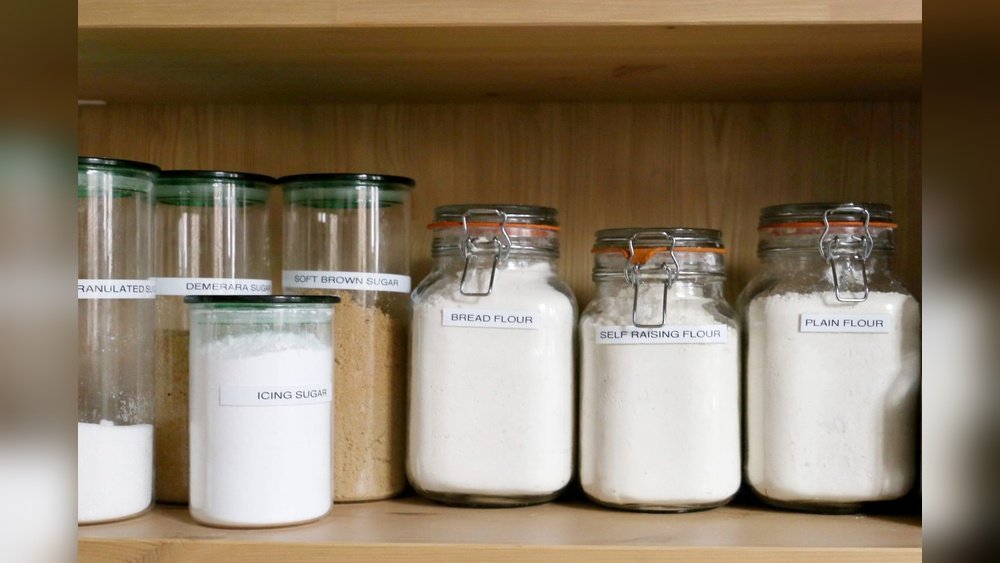
- Label containers: Especially if you use multiple types of sugar.
How Long Does Sugar Last?
Most sugars can last almost indefinitely if stored properly, but texture and flavor can change over time. Here’s a look at how long different sugars last in typical home storage.
| Type of Sugar | Shelf Life (unopened) | Shelf Life (opened, proper storage) |
|---|---|---|
| Granulated White Sugar | Indefinite | Indefinite |
| Brown Sugar | Up to 2 years | 6-12 months (can harden) |
| Powdered Sugar | Indefinite | Indefinite (if dry) |
| Raw/Turbinado Sugar | Indefinite | Indefinite |
| Honey/Maple Syrup | Indefinite | Indefinite (can crystallize) |
Key insight: While sugar itself doesn’t spoil, its texture can change. Hardened or clumpy sugar is still safe to eat, but it may not work well in recipes.
Best Containers For Sugar Storage
Choosing the right container is critical. Not all containers are created equal—some let in air, moisture, or even pests. Here’s how different options compare:
| Container Type | Pros | Cons |
|---|---|---|
| Plastic (food-grade) | Lightweight, airtight, cheap | May absorb odors, can stain |
| Glass Jar | Non-porous, airtight, no odor absorption | Breakable, heavier |
| Metal Tin | Pest-proof, blocks light | Can rust, may react with moisture |
| Original Packaging | Convenient, labeled | Not airtight, tears easily |
Pro tip: For long-term storage, glass or heavy-duty plastic with gasket-sealed lids are best. If storing large amounts, food-grade buckets with gamma lids work well.
How To Store Sugar In Small Kitchens
Not everyone has a large pantry. If you live in an apartment or have limited space, you need to be smart about storing sugar. Here are some practical ideas:
- Use stackable containers to save shelf space.
- Label jars clearly, especially if you refill from bulk bags.
- Store only what you use regularly in your main kitchen area; keep extra supplies elsewhere.
- Use airtight bags with zip seals if containers are too bulky.
Non-obvious tip: Avoid storing sugar above your stove or dishwasher. These spots have higher humidity and temperature changes, which can cause clumping and spoilage.
Storing Sugar In Bulk
Buying sugar in bulk can save money, but bulk storage brings new challenges:
- Divide large bags into smaller containers to avoid opening the whole supply often.
- Use food-safe buckets with tight lids for large amounts.
- Consider adding a moisture absorber, like a food-safe silica gel packet, for extra protection.
- Rotate your supply by using older sugar first.
Mistake to avoid: Never store bulk sugar directly on the floor. Always use a shelf or pallet to prevent moisture from seeping into containers.
Long-term Sugar Storage (emergency Preparedness)
Many people store sugar as part of emergency food supplies. If you want sugar to last years, or even decades, use these techniques:
- Mylar bags with oxygen absorbers: Place sugar in Mylar bags, add oxygen absorbers, seal tightly. Store bags in a food-grade bucket for extra protection.
- Vacuum sealing: Removes air and helps keep sugar dry and pest-free.
- Cool, dark storage: Heat and sunlight shorten shelf life, so use a basement or closet.
- Check every year: Inspect for clumping, pests, or signs of moisture.
Important note: Do NOT use oxygen absorbers with brown sugar or powdered sugar. They can cause the sugar to harden or clump.
How To Keep Brown Sugar Soft
Hard brown sugar is a common problem. It happens when the moisture in the molasses evaporates. Here’s how to prevent and fix it:
- Store brown sugar in a truly airtight container.
- Add a sugar saver (a small piece of food-safe terra cotta) or a slice of bread/marshmallow. These release moisture slowly to keep sugar soft.
- If your brown sugar is already hard, microwave it with a damp paper towel for 20 seconds. Or, seal it with an apple slice overnight.
Advanced tip: Never refrigerate brown sugar. The cold can actually make it harden faster.
Storing Sugar In Humid Climates
If you live in a humid area, sugar storage requires extra care. Humidity can make sugar clump or even ferment if left unchecked.
- Use airtight containers with gasket seals.
- Store in the coolest, driest spot in your kitchen or pantry.
- Consider a dehumidifier in your pantry if humidity is a constant problem.
- For extra-long storage, use vacuum sealing or Mylar bags.
Hidden issue: Humidity can cause sugar to stick to measuring cups and spoons, making recipes less accurate. Always check your tools are dry before scooping.
Keeping Sugar Safe From Pests
Ants, beetles, and pantry moths are attracted to sugar. Here’s how to keep them out:
- Use containers with locking lids.
- Wipe up spills immediately.
- Store sugar off the floor.
- Clean storage shelves regularly.
If you discover pests in your sugar, discard the entire container. Insects can leave eggs or bacteria behind, making the sugar unsafe to eat.
Unexpected tip: Even airtight containers can sometimes let in tiny ants. Placing bay leaves or cloves near sugar containers can help repel insects naturally.
Odor Control And Sugar Storage
Sugar’s ability to absorb odors is often overlooked. If you store sugar near coffee, spices, or cleaning products, it may take on their smell and taste.
- Store sugar away from strong-smelling foods and chemicals.
- Use glass or thick plastic containers, which are less porous.
- Never store sugar near onions, garlic, or detergents.
Real-life example: A baker once stored powdered sugar next to cinnamon. The result? Icing with a faint cinnamon flavor—great for some recipes, but not for all!
:strip_icc()/BHG-how-to-store-brown-sugar-8716486-hero-01_FGm2UrWS4zX9iggjcRA0ui-23a2119cdde14a36b4f1a50899258b4b.jpg)
Credit: www.bhg.com
Freezing Sugar: Should You Do It?
Many people wonder if they can freeze sugar to extend its shelf life. The answer: it’s possible, but usually unnecessary.
- Freezing won’t harm granulated, raw, or powdered sugar, but it can introduce moisture during thawing.
- Brown sugar can be frozen, but must be brought to room temperature before use to avoid hardening.
- Always use airtight, freezer-safe containers to avoid freezer odors.
Mistake to avoid: Never freeze sugar in its original paper packaging. Always transfer to a sealed, moisture-proof container.
Storing Liquid Sugars
Honey, maple syrup, corn syrup, and agave need different storage than dry sugars.
- Store in tightly sealed glass or plastic bottles.
- Keep in a cool, dark place. Refrigeration is not needed for most syrups, but read the label.
- If honey crystallizes, place the container in warm water to return it to liquid. Do not microwave honey in plastic.
Special note: Real maple syrup should be refrigerated after opening, but imitation syrup does not need refrigeration.
How To Tell If Sugar Has Gone Bad
Sugar rarely “spoils” in the way milk or bread does. Still, you should check for these warning signs:
- Clumps that are hard or wet (moisture problems)
- Strange smells or flavors (odor absorption)
- Signs of insects or webbing (pests)
- Mold (extremely rare, but possible in very humid places)
If you notice any of these, it’s best to throw the sugar away.
Creative Storage Solutions
Sometimes, traditional containers are not enough, especially if you want to keep sugar both functional and decorative.
- Use glass jars with chalkboard labels for easy identification.
- Store colored or decorating sugars in small spice jars.
- For bakers, keep a “sugar station” with separate containers for each sugar type.
Bonus tip: For quick access, keep a small “sugar pourer” on your coffee station and refill as needed from a larger, airtight container.
Sugar Storage Mistakes To Avoid
Even experienced cooks sometimes make these errors:
- Using non-airtight containers, thinking sugar is “safe.”
- Storing sugar near heat sources like ovens or dishwashers.
- Mixing old and new sugar in the same container (can transfer moisture or pests).
- Forgetting to check for pests before refilling containers.
- Using kitchen canisters that are decorative but not truly airtight.
Eco-friendly Sugar Storage
Caring about the environment? Here’s how to store sugar sustainably:
- Reuse glass jars from sauces or jams for sugar storage.
- Avoid single-use plastics when possible.
- Use silicone or bamboo lids for a plastic-free option.
- Buy sugar in bulk to reduce packaging waste.
Non-obvious idea: If you compost, never add sugar that’s been contaminated with pests or mold to your compost pile—it can attract more insects or cause odors.
Storing Sugar For Baking Vs. Everyday Use
If you bake often, you may want to store sugar differently than if you just use it for coffee or tea.
- For frequent baking, keep several sugars in easy-access containers near your prep area.
- For occasional use, a single small airtight jar may be enough.
- Keep a measuring scoop in your sugar container for quick recipes.
Insider tip: Some professional bakers keep brown sugar in a separate, tightly sealed box with a slice of apple for extra softness.
How To Store Sugar Substitutes
Sugar substitutes, like stevia, sucralose, or monk fruit, have their own storage needs:
- Keep in original, sealed packaging until use.
- Store in a cool, dry place away from sunlight.
- Some liquid sweeteners may require refrigeration—check the label.
Hidden risk: Some sugar substitutes are more sensitive to moisture than regular sugar and can clump quickly if not sealed well.
Storing Sugar In Restaurants And Cafés
If you manage a commercial kitchen, sugar storage needs to follow food safety regulations:
- Use NSF-certified, food-safe containers.
- Label all containers with the date opened and product type.
- Store above floor level, away from chemicals.
- Train staff to check for pests and moisture regularly.
Compliance tip: Local health inspectors often check sugar containers for proper labeling and pest control.
Quick-reference: Sugar Storage Do’s And Don’ts
Here’s a fast summary for easy recall:
Do:
- Store in airtight containers.
- Keep in a cool, dry place.
- Label all containers.
- Clean shelves and containers regularly.
Don’t:
- Leave sugar in open bags or boxes.
- Store near heat, humidity, or strong odors.
- Mix old and new sugar.
- Use damaged or cracked containers.
:max_bytes(150000):strip_icc()/How-to-store-baking-ingredients-FT-BLOG0424-989162f97cf848c9a3d9340d616a34e1.jpg)
Credit: www.foodandwine.com
The Science Behind Sugar Storage
Sugar is hygroscopic—it attracts water from the air. This is why it clumps in humid climates and why brown sugar hardens when its moisture escapes. The crystalline structure of granulated sugar makes it less sensitive than brown or powdered sugar, but all sugars can be affected over time.
Understanding this chemistry can help you troubleshoot storage problems and keep your sugar in perfect condition.
Comparing Storage Methods
For those who love data, here’s a quick look at different storage methods and their effectiveness:
| Method | Protection from Moisture | Protection from Pests | Ease of Access |
|---|---|---|---|
| Airtight Jar | Excellent | Good | Easy |
| Mylar Bag + Bucket | Excellent | Excellent | Medium |
| Original Bag (Opened) | Poor | Poor | Easy |
| Vacuum Sealed | Excellent | Excellent | Medium |
Frequently Asked Questions
How Do I Soften Hardened Brown Sugar?
To soften brown sugar, place it in a bowl with a damp paper towel and microwave for 20-30 seconds. Or, seal it in a container with a slice of apple or bread overnight. The moisture will transfer to the sugar, making it soft again.
Can I Store Sugar In The Refrigerator?
It’s best to avoid storing sugar in the refrigerator. The cold, humid environment can make sugar clump or harden, especially brown sugar and powdered sugar. Instead, use a cool, dry pantry.
Is It Safe To Use Sugar That Has Clumped Or Hardened?
Yes, sugar that has clumped or hardened is still safe to use if there are no signs of mold or pests. You can break up lumps and use it as normal. If you see insects or strange smells, throw it out.
What Is The Best Way To Store Sugar For Long-term Emergencies?
For long-term storage, use Mylar bags with oxygen absorbers, sealed inside food-grade buckets. Store in a cool, dry, dark place. This method keeps sugar fresh for decades. For details, see this Food Storage Guide.
Why Does Sugar Absorb Odors And How Can I Prevent It?
Sugar is hygroscopic, so it picks up both moisture and odors from the air. To prevent this, store sugar in airtight glass or thick plastic containers, and keep it away from strong-smelling foods or cleaning chemicals.
Proper sugar storage is about more than just keeping it dry. With the right techniques, you can save money, avoid waste, and ensure your recipes turn out perfectly every time. Whether you use a little or a lot, a few simple steps make all the difference.