
Coffee filters seem like a simple kitchen item, but how you store them can make a surprising difference. Many people toss the pack in a drawer or cupboard and never think twice. But over time, coffee filters can get crushed, absorb odors, or even collect dust and moisture.
These problems can change the taste of your coffee or make brewing less convenient.
If you drink coffee every day, you probably use coffee filters often. You may have noticed that filters come in different shapes and sizes—cone, basket, or disk. Some are paper, others are metal or cloth. Each type has its own needs for storage.
Maybe you’ve bought a bulk pack to save money, but now you’re struggling with stacks of filters taking over your counter space. Or perhaps you want your kitchen to look tidy and stylish, not messy.
In this article, you’ll learn everything you need to know about how to store coffee filters—from practical solutions for small kitchens to creative ideas for organizing your coffee station. You’ll get answers to common questions, tips for preventing common mistakes, and even a few insights most beginners miss. Whether you’re a casual coffee drinker or a passionate home barista, you’ll find strategies that fit your lifestyle and space.
Why Coffee Filter Storage Matters
You might wonder why storing coffee filters correctly is important. After all, they’re just paper or mesh, right? The truth is, proper storage can affect both the quality of your coffee and the life of your filters.
First, coffee filters are sensitive to moisture. If they get damp, they can stick together or even grow mold. This is especially true in humid places. Second, filters can absorb kitchen odors, like garlic or onions, which then transfer to your coffee. Third, poor storage can lead to filters getting bent or crumpled, making them hard to use.
Proper storage keeps your filters:
- Dry and clean
- Odor-free
- Easy to grab and use
If you buy in bulk, good storage also saves money by preventing waste.
Understanding Coffee Filter Types And Their Storage Needs
Before you decide how to store your filters, it helps to know what kind you have. There are three main types:
- Paper filters: Most common, either flat, cone-shaped, or basket-shaped.
- Reusable filters: Made from metal or cloth, designed to be washed and used again.
- Specialty filters: For specific brewers, like AeroPress or Chemex.
Each type has slightly different storage needs. For example, paper filters should be kept away from moisture and odors. Reusable filters need to be fully dry before storing, or else they can develop mildew.
Here’s a quick comparison:
| Filter Type | Storage Concern | Best Storage Method |
|---|---|---|
| Paper (Cone/Basket) | Moisture, odors, crushing | Airtight container, drawer, or holder |
| Reusable (Metal/Cloth) | Mildew, damage | Dry rack, breathable container |
| Specialty (AeroPress, Chemex) | Shape loss, dust | Original box, custom holder |
Knowing your filter type helps you pick the right storage solution and avoid mistakes.
Common Storage Problems And How To Avoid Them
Many coffee drinkers make the same mistakes with filter storage:
- Leaving filters in original packaging: Thin paper packages tear easily and don’t protect from moisture.
- Storing near the stove or sink: Heat and humidity can warp or dampen filters.
- Using open baskets on counters: Filters collect dust and kitchen smells.
To avoid these problems:
- Always store filters away from steam, heat, or water sources.
- Use a container with a lid for paper filters.
- Dry reusable filters fully before putting them away.
A tip many miss: If you buy filters in bulk, don’t keep the whole supply in the kitchen. Store a small amount for daily use, and keep the rest sealed in another room or a pantry.
Best Storage Containers For Coffee Filters
Choosing the right container is key for keeping filters fresh and organized. There are many options, from simple to stylish.
1. Plastic Storage Containers
A plastic container with a tight lid works well for most paper filters. These keep out moisture and block odors. You can use an empty food storage box or buy one made for coffee filters.
2. Glass Jars
Glass jars look great on the counter and let you see how many filters are left. Choose a jar with a good seal. Mason jars are a popular choice. The only downside: large basket filters may not fit.
3. Metal Canisters
Stainless steel or tin canisters protect filters from light and air. They’re sturdy and often match other kitchen items. Some come with rubber seals for extra protection.
4. Ceramic Holders
Ceramic containers are stylish and easy to clean. They often come in shapes that fit specific filter types, like cones or disks.
5. Wooden Boxes
A wooden box with a lid adds a rustic touch. These work best for flat or disk filters. Make sure the box is clean and dry inside.
6. Original Packaging (with Upgrades)
If you want to keep filters in the original package, place the package inside a large zipper bag or airtight container. This gives an extra layer of protection.
7. Drawer Organizers
If you prefer a clutter-free counter, use a drawer organizer. These can be plastic, bamboo, or even metal. Some are divided to fit different filter types.
8. Wall-mounted Dispensers
Wall dispensers save space and keep filters handy. They’re great if you make coffee often and want quick access. Look for models that protect against dust.
9. Under-shelf Holders
An under-shelf holder clips to a shelf and holds filters underneath. This uses space you might otherwise waste.
Here’s a comparison of popular storage containers:
| Container Type | Pros | Cons |
|---|---|---|
| Plastic Container | Seals well, inexpensive | Can look plain |
| Glass Jar | Attractive, visible supply | Breakable, size limits |
| Metal Canister | Durable, blocks light | Heavier, can dent |
| Wall Dispenser | Saves counter space | May fit only some filters |
| Drawer Organizer | Hidden, tidy | Needs drawer space |
Where To Store Coffee Filters In Your Kitchen
The best spot for storing coffee filters depends on your kitchen size and routine. Some people like them on display, while others prefer them out of sight.
On The Counter
If you use coffee filters every day, keep them near your coffee maker. A pretty jar or ceramic holder makes them easy to grab.
In A Drawer
A drawer keeps filters away from light, air, and spills. Use a divider to keep them neat. This works well for families or households with several coffee drinkers.
In A Pantry
If you don’t have much counter or drawer space, store filters on a pantry shelf in a container. This is also good for bulk storage.
Hanging Storage
Some people hang filters on a hook or use an under-cabinet dispenser. This saves space and can look stylish.
Away From Heat And Moisture
Never store filters above the stove, next to the dishwasher, or near the sink. Steam and heat cause filters to warp, stick, or spoil.
A practical tip: If you live in a humid climate, consider adding a food-safe silica gel packet to the container. This absorbs moisture and keeps filters dry. Just make sure the packet doesn’t touch the filters directly.
Creative Storage Ideas For Small Spaces
Small kitchens require smart solutions. Here are some creative ways to store coffee filters without taking up valuable space:
- Magnetic Containers: Use a magnetic tin on the fridge side or a metal backsplash.
- Repurpose Food Containers: An empty oatmeal can or cookie tin can hold a stack of filters.
- Stackable Baskets: Place filters in a small basket that stacks with other kitchen items.
- Over-the-Door Organizer: Use a pocket in a hanging pantry organizer for filters.
- Slide-Out Tray: Install a slim slide-out tray under the coffee maker shelf.
- DIY Envelope: Make a fabric or plastic envelope that hangs inside a cabinet door.
Many people miss that the shape of the filter can affect storage. Cone filters fit better in vertical containers, while flat basket filters work well in wider, shallow boxes.
How To Store Reusable Coffee Filters
Reusable filters, like metal or cloth, need extra care. Storing them incorrectly can lead to mold or bad smells.
Cleaning Before Storage
Always wash reusable filters after each use. Use hot water and mild soap. Rinse well to remove all coffee oils.
Drying Completely
This is the most important step. Let the filter air dry fully—on a rack or towel—before storing. Even a little moisture can cause mold.
Storage Options
- Breathable Bag: Store in a cotton or mesh bag that allows airflow.
- Open Container: A small basket or tray in a dry spot works well.
- Dedicated Drawer: Line a drawer with a towel and lay filters flat.
- Hanging: Hang metal filters on hooks to keep them dry and undamaged.
Never seal a damp reusable filter in a closed container. This is a common mistake that causes mildew.
How Long Can You Store Coffee Filters?
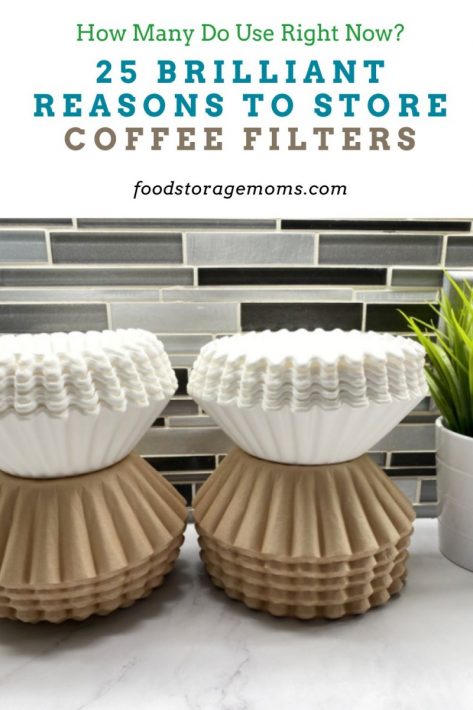
Paper coffee filters don’t spoil like food, but they can go bad in other ways. Over time, paper can become yellow, brittle, or absorb smells.
- Paper filters: Stay good for years if kept dry and clean.
- Reusable filters: Last for hundreds of uses if cared for properly.
If your filters smell musty or look stained, it’s time to replace them. Most people use filters quickly enough that shelf life isn’t an issue. But if you stock up for months or years, check the oldest packs first.
A non-obvious insight: Some paper filters are bleached, others are unbleached. Bleached filters may yellow faster in sunlight, so store them in a dark place.
Credit: www.foodstoragemoms.com
Bulk Storage Strategies
Buying coffee filters in bulk saves money, but creates storage challenges. Storing 500 or 1000 filters isn’t the same as managing a small box.
Divide And Conquer
Don’t keep the whole pack in your kitchen. Instead:
- Split filters into smaller stacks (50–100 filters each).
- Place a stack in your main storage container for daily use.
- Store the rest in a sealed bag or box in a dry closet or pantry.
Use Vacuum Bags
For very long-term storage, vacuum-seal extra filters. This protects them from moisture and bugs. Only open the bag when you need more filters.
Label And Rotate
If you have different filter types or buy in bulk, label each bag with the purchase date. Use the oldest filters first to prevent waste.
An often-missed detail: If you store filters for a year or more, check them for color changes, smells, or damage before use.
Keeping Filters Clean And Odor-free
The kitchen is full of strong smells—spices, onions, cleaning supplies. Paper absorbs odors quickly. Here’s how to keep your filters fresh:
- Store filters in a sealed container—plastic, glass, or metal works.
- Don’t store filters near cleaning chemicals or strong-smelling foods.
- If you notice a smell, air out the filters for a few hours before use.
A tip few know: If filters do get a bad smell, place them in a container with a few tablespoons of unused coffee grounds (in a separate bag) for a day. The coffee will absorb many odors.
Organizing Coffee Filters By Type And Size
If you use more than one kind of coffee maker, you may have several types of filters. Organizing them saves time and avoids mistakes.
Use Dividers
A drawer or box with dividers keeps each filter type separate.
Label Containers
Label jars or bins with “Cone,” “Basket,” or “Disk” so anyone in your household can find the right one.
Stack By Size
If you have several sizes, stack the smallest on top and largest on the bottom in a tall jar. This makes it easy to grab the right filter.
Color Coding
Use colored containers or stickers to quickly identify different types.
A mistake many make: Using the wrong filter type can overflow or ruin your brew. Good organization prevents this.
Stylish Coffee Filter Storage For Coffee Stations
If you love coffee, you might have a dedicated coffee station. Stylish storage keeps filters handy and adds to the look.
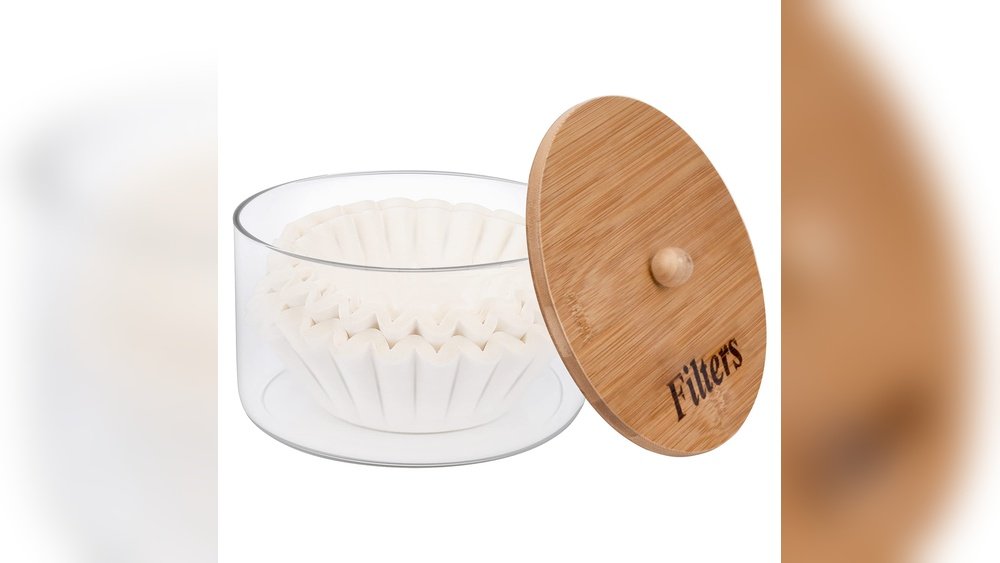
- Acrylic holders: Clear, modern, and fit many filter types.
- Wooden stands: Match with other coffee tools for a cozy look.
- Custom pottery: Unique designs can add personality.
- Wall racks: Save counter space and keep filters visible.
Show off your favorite coffee accessories and keep everything organized in one spot.

Credit: us.amazon.com
Diy Storage Solutions
If you like crafts or want to save money, try making your own filter storage.
- Decorated tins: Clean out a cookie or tea tin and decorate with paint or paper.
- Fabric pouches: Sew a simple pouch with a snap or zipper.
- Upcycled boxes: Use a small gift box, cover it with fabric or contact paper.
- Hanging organizer: Use a shoe organizer pocket to hold filters.
DIY solutions let you match your kitchen’s style and customize the size.
Mistakes To Avoid When Storing Coffee Filters
Even experienced coffee drinkers sometimes make mistakes with filter storage. Watch out for these common errors:
- Storing near the stove or sink: Causes moisture problems.
- Leaving filters uncovered: Leads to dust and odor absorption.
- Storing all filters in the kitchen: Bulk packs are safer in a dry closet or basement.
- Not drying reusable filters: Leads to mildew and bad smells.
- Mixing filter types: Causes confusion and wrong filter use.
A detail beginners often miss: Even a little moisture can ruin a whole pack of paper filters. Always check that your container is dry before refilling.
How To Store Coffee Filters When Traveling Or Camping
Coffee lovers often want their favorite brew on the go. Storing filters safely when traveling or camping is different from at home.
Travel Tips
- Take only the number of filters you need. Don’t carry the whole box.
- Use a zipper bag to keep filters dry and clean.
- Store in your mug or kettle to save space.
Camping Tips
- Pack filters in a waterproof bag.
- Place them inside a hard container (like a small plastic box) to prevent crushing.
- For reusable filters, clean and dry them fully before packing.
A smart tip: Pack a few extra filters. They’re lightweight and can be used for other tasks, like straining water or cleaning.
Special Cases: Storing Unusual Filter Shapes
Some coffee makers use unique filter shapes, like the AeroPress or Chemex. These often don’t fit standard holders.
- AeroPress filters: Store in the original tin or a small snap case.
- Chemex filters: Use a custom glass or wood holder, or keep in the original box inside a sealed bag.
- Espresso paper disks: Store flat in a small envelope or airtight bag.
A detail many miss: Specialty filters can be hard to find if they’re damaged or dirty. Store them carefully to avoid running out at the wrong time.
How To Store Coffee Filters For Businesses
If you run a café or office coffee station, storage needs are different.
- Use commercial dispensers that hold large stacks and are easy to refill.
- Store backup bulk packs in a dry, clean storeroom.
- Train staff to rotate filters and check for cleanliness.
A non-obvious insight: For high-traffic stations, wall-mounted or counter dispensers save time and reduce mess.
Comparing Store-bought Vs. Homemade Storage Solutions
Here’s a summary to help you decide between buying a filter holder or making your own:
| Solution | Cost | Protection | Style | Best For |
|---|---|---|---|---|
| Store-bought holder | Medium to high | Good | Varied, polished | Busy kitchens, style focus |
| Homemade container | Low | Depends on design | Customizable | Budget, DIY fans |
| Original packaging | None | Poor | Plain | Short-term, backup |
Choose the solution that matches your budget, style, and how often you brew coffee.
Environmental Tips For Coffee Filter Storage
If you care about the environment, your storage choices matter. Here are a few tips:
- Reuse old jars or boxes instead of buying new containers.
- Store filters carefully to prevent waste—damaged filters can’t be recycled.
- If you switch to reusable filters, store them in a way that keeps them sanitary.
For more on eco-friendly coffee habits, check out the National Coffee Association’s advice at ncausa.org.
Frequently Asked Questions
How Can I Keep Coffee Filters From Sticking Together?
Store filters in a dry place and avoid humidity. If they still stick, gently fan them apart before use. Keeping a food-safe desiccant packet in the container can help prevent moisture problems.
Do Coffee Filters Expire?
Coffee filters don’t have a set expiration date, but they can go bad from odors, moisture, or age. If your filters feel brittle, look yellow, or smell odd, it’s best to replace them.
What’s The Best Way To Store Filters For Long-term Use?
For long-term storage, use an airtight container in a cool, dry place. For very long-term (years), vacuum-seal filters and keep them away from sunlight and heat.
Can I Store Coffee Filters In The Fridge Or Freezer?
It’s not recommended. Paper filters can absorb moisture and odors in the fridge or freezer, which may affect your coffee’s taste.
How Should I Store Cloth Or Metal Reusable Filters?
Wash and dry them completely before storing. Keep them in a breathable bag or container in a dry spot. Never store reusable filters while damp or sealed tightly.
Keeping coffee filters in top condition is easier than you might think. With the right storage method, you’ll enjoy fresh, delicious coffee every day—and keep your kitchen organized, too. Whether you use a simple jar, a stylish holder, or a creative DIY solution, your perfect cup always starts with a clean, well-stored filter.

Credit: www.reddit.com