
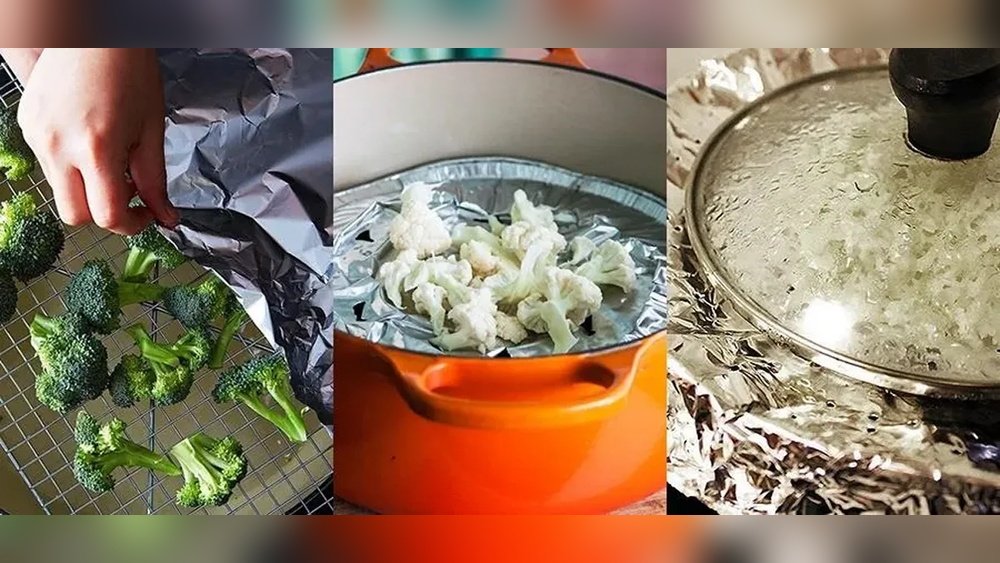
Steaming vegetables is one of the healthiest ways to cook them. The process keeps most of the vitamins, color, and flavor. Many people use a rice cooker for more than just rice—it can be a fantastic, convenient tool for steaming too.
But what if your rice cooker doesn’t have a steaming basket? You might think you need special equipment, but you don’t. With some smart tricks and careful steps, you can steam vegetables in a rice cooker without a basket, and the results can be just as tasty and nutritious.
If you want to eat healthier or just make your cooking routine easier, this guide is for you. I’ll show you practical solutions using everyday items, break down the best methods, and give you tips that even experienced cooks sometimes overlook.
Steaming vegetables without a basket is not only possible—it’s simple with the right approach. You’ll also learn how to avoid common mistakes and make your vegetables taste better than ever. Let’s dive in and unlock your rice cooker’s hidden potential.
Why Steam Vegetables In A Rice Cooker?
Steaming vegetables in a rice cooker has several benefits. First, it’s hands-off. You don’t need to watch the stove or worry about burning your food. The rice cooker keeps the temperature steady, and many models switch off or keep warm automatically.
This helps you multitask in the kitchen.
Another big advantage is nutrition retention. Boiling can wash vitamins away into the water, but steaming keeps them inside the vegetables. The closed environment of a rice cooker helps preserve both color and flavor, which makes your food more appealing and tasty.
Plus, rice cookers are energy-efficient compared to using large pots on the stove. They use less water, heat up quickly, and are easy to clean. Even without a basket, you can adapt your rice cooker for steaming, making it a flexible tool in your kitchen.
Understanding Your Rice Cooker
Before starting, it’s important to know your rice cooker’s type and how it works. There are two main kinds: basic on/off models and fuzzy logic (digital) models.
- Basic models have a single button or switch. They heat until all water is gone, then switch to “warm.”
- Fuzzy logic models have more controls, timers, and sometimes special steaming settings.
Knowing your model helps you predict cooking times and avoid mistakes. Most rice cookers have an inner pot made from nonstick metal or stainless steel. Check your rice cooker’s manual to see if the inside is safe to use with kitchen tools (like plates or foil), as this will help you choose the best steaming method.

Credit: food-hacks.wonderhowto.com
What You Need To Steam Without A Basket
You don’t need fancy equipment. Most people have everything needed in their kitchen. Here’s what works:
- A heat-safe plate, bowl, or dish (ceramic, glass, or stainless steel)
- Chopsticks, metal forks, or skewers
- Aluminum foil
- Parchment paper (optional, for easy cleanup)
- Vegetables (fresh or frozen)
- Water
These simple items can create a safe platform above the water for your vegetables. The goal is to keep the vegetables above the water so they steam, not boil.
Methods To Steam Vegetables Without A Basket
There are several clever ways to set up your rice cooker for steaming. Each has its own strengths. Let’s go through the best options.
1. Using A Heat-safe Plate Or Bowl
One of the easiest solutions is to use a small heat-safe plate or bowl. The idea is to create a raised platform above the water.
- Pour about ½ to 1 cup of water into the rice cooker’s inner pot.
- Place a small, upside-down bowl or ramekin in the bottom.
- Set a plate (slightly smaller than the pot) on top of the bowl.
- Spread the vegetables on the plate, making sure they don’t touch the water.
- Close the lid, turn on the rice cooker, and steam.
This method works well because it keeps the vegetables dry and lets the steam circulate. Make sure both the bowl and plate are oven-safe and fit comfortably in your rice cooker. Don’t force large items inside, as this can crack the pot or lid.
2. Aluminum Foil Balls
If you don’t have a suitable plate or bowl, aluminum foil is a great alternative.
- Tear off a sheet of aluminum foil and roll it into three or four balls, each about the size of a golf ball.
- Place the balls on the bottom of the rice cooker.
- Set a heat-safe plate or dish on top of the foil balls.
- Add your vegetables on the plate, pour in enough water to just cover the bottom, and close the lid.
The foil balls act as a makeshift rack, lifting your vegetables above the water. This trick is safe and effective for most rice cookers.
3. Chopsticks Or Skewers As A Rack
Chopsticks, metal forks, or bamboo skewers can also be used to build a simple rack.
- Pour ½ to 1 cup of water into the pot.
- Lay two or three chopsticks or skewers across the bottom, parallel to each other.
- Place a heat-safe plate or bowl on top.
- Arrange vegetables on the plate and steam as usual.
This approach is especially useful if you have limited equipment or want to avoid using foil.
4. Parchment Paper Pouch
If you want to keep flavors in and cleanup easy, use parchment paper.
- Cut a piece of parchment paper large enough to hold your vegetables.
- Place the vegetables in the center, add a small splash of water, then fold up the sides and twist to seal the pouch.
- Set the pouch directly in the rice cooker with ½ cup of water underneath.
- Steam with the lid closed.
This method works best for small, thin vegetables (like green beans or spinach) and prevents them from getting soggy.
5. Direct Steaming (for Hard Vegetables)
If you’re steaming hard vegetables like carrots or potatoes and don’t mind a little boiling, you can place them directly in the water with minimal contact.
- Add just enough water to barely cover the bottom of the rice cooker (½ inch or less).
- Place the vegetables in, making sure they don’t fully submerge.
- Steam with the lid closed.
This isn’t “true” steaming, but it’s a practical solution if you’re in a hurry or have few tools.
Step-by-step Guide: Steaming Vegetables In A Rice Cooker Without A Basket
Let’s break down the process into clear steps for the best results. I’ll use the plate-on-bowl method as a main example, but you can adapt the steps to the other methods above.
Step 1: Prepare Your Vegetables
- Wash and cut vegetables into even pieces. Smaller pieces cook faster and more evenly.
- For mixed vegetables, group by cooking time (e.g., carrots and potatoes together, leafy greens separate).
- Pat vegetables dry for better texture.
Step 2: Set Up The Steamer
- Pour ½ to 1 cup of water into the rice cooker’s inner pot. The exact amount depends on the vegetable and rice cooker size, but you want enough to last for the whole steaming time without touching the vegetables.
- Place a heat-safe bowl, foil balls, or chopsticks on the bottom to create a platform.
Step 3: Arrange The Vegetables
- Spread the vegetables in a single layer on the plate or dish. Crowding leads to uneven cooking.
- For softer vegetables, you can stack them a little, but avoid thick piles.
Step 4: Steam With The Lid Closed
- Put the lid on tightly to trap the steam.
- Press the “cook” button on your rice cooker. If it’s a digital model, select the steam function if available.
- Set a timer (see vegetable cooking times below). Most rice cookers do not have a built-in timer for steaming, so use your phone or kitchen timer.
Step 5: Check For Doneness
- When time is up, carefully open the lid (watch for hot steam).
- Use a fork to test the vegetables. If they’re not done, close the lid and steam for 2-3 more minutes.
Step 6: Finish And Serve
- Remove the plate or dish with oven mitts or tongs.
- Season vegetables as desired (salt, pepper, olive oil, lemon juice).
- Serve immediately for best texture and flavor.
Vegetable Steaming Times In A Rice Cooker
Cooking times depend on the type and size of the vegetable. Here’s a handy comparison table for popular vegetables (all times assume bite-sized pieces):
| Vegetable | Steaming Time (minutes) | Special Tips |
|---|---|---|
| Broccoli | 5-7 | Use florets for even cooking |
| Carrots | 8-10 | Slice thin for faster results |
| Cauliflower | 7-9 | Cut into small florets |
| Green Beans | 5-8 | Trim ends before steaming |
| Potatoes | 12-18 | Dice into 1-inch cubes |
| Spinach | 2-4 | Steam in small batches |
| Peas | 3-5 | No need to slice |
| Asparagus | 5-7 | Trim woody ends |
| Sweet Potato | 12-15 | Peeled and sliced |
| Zucchini | 4-6 | Cut into rounds |
These are approximate times. Always check a few minutes before the minimum time, especially for delicate vegetables.
Tips For Better Results
1. Don’t Overload The Cooker
Too many vegetables at once will block steam and cook unevenly. Stick to a single layer for most even results.
2. Use Fresh, Evenly Cut Vegetables
Uniform pieces help all vegetables finish at the same time. If using frozen vegetables, reduce steaming time by 1-2 minutes.
3. Add Seasonings Before Or After Steaming
Some flavors (like herbs, garlic, or a splash of soy sauce) can be added before steaming. Others, like oil or lemon juice, are best added after to keep vegetables crisp.
4. Watch The Water Level
If the water runs dry, the rice cooker will switch to “warm” or turn off, and your vegetables may burn. If you need longer cooking, add a bit more water and restart.
5. Keep The Lid Closed
Opening the lid lets steam escape, slowing down cooking. Only check near the end of the cooking time.
6. Layering For Mixed Vegetables
If steaming more than one type, put harder vegetables (like carrots or potatoes) on the bottom and softer ones (like zucchini or spinach) on top. Remove the soft ones first if needed.
7. Clean Up Promptly
Vegetable juices can stain or stick if left to cool. Wash your rice cooker’s pot and any tools right after use.
Creative Ways To Steam Without A Basket
Sometimes you need to get a little creative, especially if you have limited kitchen tools or want to try something new. Here are a few ideas:
The “upside-down Cup” Trick
Use a sturdy, oven-safe cup upside down in the pot as a stand. Place a plate on top, and you have a simple two-level system. This works well for small rice cookers.
“foil Tray” Method
If you don’t have a plate that fits, fold a piece of aluminum foil into a thick, flat tray with raised edges. Poke a few holes for steam. Place this tray on foil balls or a bowl to keep your vegetables elevated.
“stacked Steamer”
If you want to steam more at once, use two plates with spacers (like foil balls or ramekins) between them. Place harder vegetables on the bottom plate and softer ones above. Just be careful not to overload and block the steam path.
Best Vegetables To Steam In A Rice Cooker
Not all vegetables steam the same way. Here’s a quick table showing which vegetables do best in a rice cooker (without a basket):
| Vegetable | Texture After Steaming | Notes |
|---|---|---|
| Broccoli | Tender-crisp | Great flavor, bright color |
| Carrots | Soft but firm | Slice evenly |
| Cauliflower | Soft | Try with spices |
| Green Beans | Firm | Don’t over-steam |
| Spinach | Wilted | Needs less time |
| Potatoes | Soft | Perfect for salads |
| Asparagus | Tender-crisp | Bright green, sweet |
| Peas | Soft | Fast and easy |
| Brussels Sprouts | Tender | Halve for even cooking |
| Zucchini | Soft, juicy | Don’t overcook |
Leafy greens and small, thin vegetables are especially easy to steam this way.
Common Mistakes And How To Avoid Them
Steaming without a basket is simple, but there are a few mistakes people often make. Avoid these for the best results:
- Adding too much water: This turns steaming into boiling. Vegetables lose texture and flavor.
- Not raising the platform: If the vegetables touch water, they’ll get soggy. Always use a bowl, foil balls, or chopsticks to lift them.
- Overcooking: It’s easy to steam too long, especially with leafy greens. Always set a timer.
- Using plastic or non-oven safe dishes: Only use ceramic, glass, or stainless steel. Plastic can melt or leach chemicals.
- Opening the lid too often: Each time you open, you lose heat and slow cooking.
A less obvious mistake is not drying the vegetables before steaming. Wet vegetables can become mushy, and extra water means longer cooking. Pat vegetables dry with a towel before steaming.
Another tip: Don’t season with salt before steaming. Salt draws out water and can make vegetables limp. Add salt after steaming for better texture.

Credit: www.youtube.com
Health And Nutrition Insights
Steaming is one of the healthiest ways to cook vegetables. Unlike boiling, which causes water-soluble vitamins like vitamin C and B vitamins to leach out, steaming keeps most nutrients inside the food. In fact, research shows that steaming broccoli, for example, preserves 90% of its vitamin C, compared to just 60% when boiled.
Another benefit is low-fat cooking. You don’t need oil or butter to steam, making it ideal for anyone watching calories. Steamed vegetables also have a lower glycemic index than boiled, which means they don’t spike blood sugar as much—a plus for people with diabetes.
Steaming also helps preserve flavor, so your vegetables taste sweet, fresh, and vibrant. If you want to learn more about the science behind steaming, you can check resources like Wikipedia’s page on steaming.
Making Steamed Vegetables Taste Great
Some people think steamed vegetables are boring. This doesn’t have to be true. Here’s how to boost flavor:
- Toss with olive oil, lemon juice, or vinegar after steaming.
- Sprinkle with fresh herbs like parsley, cilantro, or dill.
- Add a dash of soy sauce, sesame oil, or balsamic glaze.
- Top with toasted seeds or nuts for crunch.
- Mix in a small spoon of butter or parmesan cheese for richness.
- Combine steamed vegetables with rice or quinoa for a complete meal.
Steaming is also perfect for meal prep. Cook a batch and keep in the fridge for salads, stir-fries, or as a side all week.

Credit: www.amazon.com
Cleaning Your Rice Cooker After Steaming
Even though steaming is clean, a little care helps your rice cooker last longer.
- Wait until the cooker cools before cleaning.
- Wash the inner pot with mild detergent and a soft sponge (avoid metal scrubbers on nonstick surfaces).
- If you used foil or parchment, throw it away.
- Wipe down the lid and outer parts with a damp cloth.
- Dry all parts thoroughly before reassembling.
If you notice any stains or smells, fill the pot with water and a splash of vinegar, run a short cooking cycle, and rinse. This keeps your rice cooker fresh for next time.
When To Replace Your Rice Cooker
While most rice cookers last years, regular steaming can cause wear. If you notice peeling nonstick coating, strange smells, or the cooker doesn’t heat evenly, it might be time for a new one. Modern rice cookers sometimes come with their own steaming racks, which makes the process even easier.
Frequently Asked Questions
How Much Water Should I Use When Steaming Vegetables In A Rice Cooker Without A Basket?
Use about ½ to 1 cup of water. The water should be enough to last through the steaming time, but not so much that it touches the vegetables. For longer cooking (like potatoes), check and add more water if needed.
Can I Steam Frozen Vegetables In A Rice Cooker Without A Basket?
Yes, you can. Frozen vegetables actually steam faster than fresh because they’re blanched before freezing. Reduce the cooking time by 1-2 minutes and avoid overloading, as frozen vegetables release water as they cook.
Is It Safe To Use Aluminum Foil Or Glass Dishes In A Rice Cooker?
Most rice cookers are safe with aluminum foil and oven-safe glass or ceramic dishes. Never use plastic, and always check your rice cooker’s manual. Make sure dishes don’t block the lid from closing properly.
Why Do My Vegetables Come Out Soggy Or Mushy?
This usually happens if you use too much water or over-steam. Make sure the vegetables are raised above the water, cut evenly, and check for doneness a few minutes early. Pat vegetables dry before steaming for better texture.
Can I Add Seasoning Before Steaming Vegetables?
Some seasonings are fine before steaming (like herbs or garlic), but it’s best to add salt, oil, and acids (like lemon juice) after steaming. This keeps the vegetables firm and flavorful.
Steaming vegetables in a rice cooker without a basket is simple, healthy, and easy to adapt. With a little creativity and the right tools, you can enjoy perfectly cooked vegetables any time, even if your rice cooker didn’t come with special parts.
Try these methods, experiment with flavors, and see how easy it is to eat better at home.