
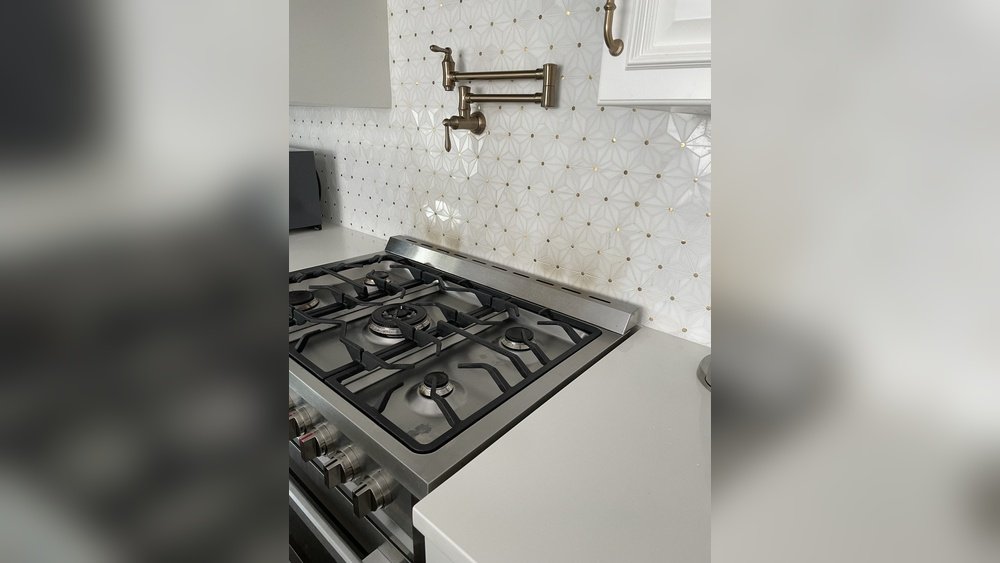
Cleaning the backsplash behind your stove may not be the most glamorous household task, but it is one of the most essential for a healthy and pleasant kitchen. Grease, food splatters, and steam build up quickly in this area, making it a hotspot for stains, odors, and even bacteria.
Left unchecked, these messes can become tough to remove and may even damage your backsplash over time. Many people overlook this spot, focusing on countertops and stovetops, but the backsplash deserves just as much attention. The good news? With the right approach, you can keep it sparkling clean without harsh chemicals or endless scrubbing.
This guide will give you step-by-step advice on how to clean every type of backsplash found behind a stove. Whether yours is made of tile, stainless steel, glass, stone, or another material, you’ll learn not only the best cleaning methods but also which products to use, what mistakes to avoid, and how to keep your backsplash looking fresh for years.
Plus, you’ll pick up little-known tips that save time and effort—insights many beginners miss. Let’s dive in and bring shine back to your kitchen.
Understanding Your Backsplash Material
Before you grab a sponge, it’s important to know what your backsplash is made of. Different materials need different care. Using the wrong cleaner can cause permanent damage, so take a moment to identify your surface. Here are the most common materials:
- Ceramic or Porcelain Tile
- Glass
- Stainless Steel
- Natural Stone (granite, marble, slate, etc.)
- Laminate
- Painted Drywall
- Peel-and-Stick Vinyl
Each type has its own strengths and weaknesses. For example, natural stone is porous and can stain easily, while glass resists stains but shows fingerprints. If you’re not sure what you have, look for clues: grout lines usually mean tile, a seamless shiny surface could be glass or stainless steel, and a textured or patterned look may mean stone or vinyl.
Essential Cleaning Supplies
You don’t need fancy tools to clean a backsplash, but a few basics will make the job easier:
- Microfiber cloths (gentle and reusable)
- Soft sponges (non-abrasive)
- Spray bottles (for homemade or store-bought cleaners)
- Small brush or old toothbrush (for grout or corners)
- Bucket of warm water
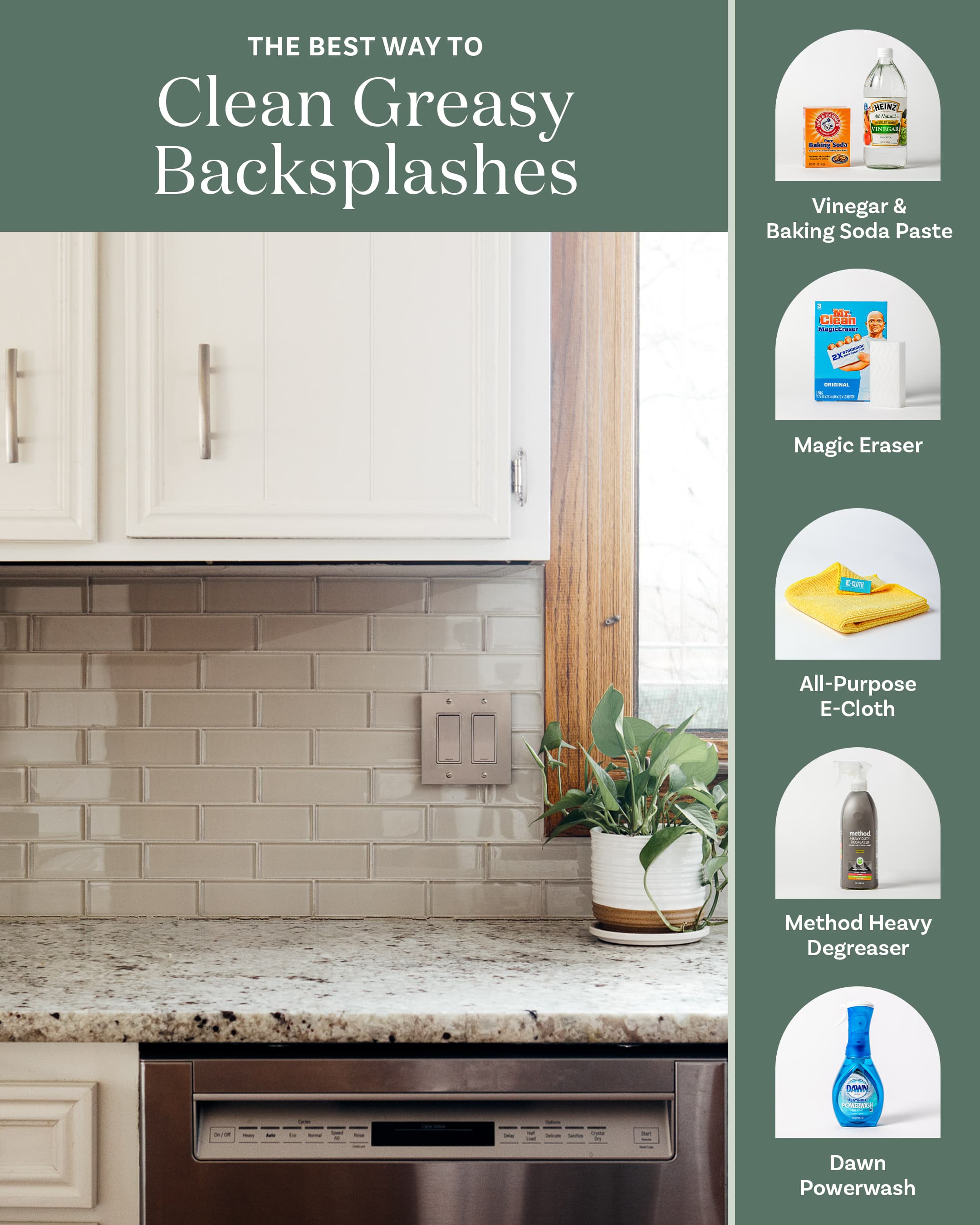
For cleaners, you can use either store-bought products or simple homemade mixes. Here are some safe options:
- Mild dish soap (cuts grease, safe for most surfaces)
- White vinegar (removes stains, but not for natural stone)
- Baking soda (gentle scrub, deodorizer)
- Hydrogen peroxide (for disinfecting grout)
- Specialty cleaners (for stainless steel or stone)
Pro Tip: Always test a small, hidden area before using any cleaner, especially on natural stone, painted surfaces, or vinyl.
How Often Should You Clean The Backsplash?
Frequency depends on how much you cook. For most households:
- Wipe down daily: After cooking, quickly wipe off splatters.
- Deep clean weekly: Spend 10–15 minutes cleaning grout, corners, and tougher stains.
- Monthly maintenance: For grout, stone sealing, or stubborn buildup.
If you fry food often or cook with a lot of oil, you may need to clean more frequently. Regular cleaning prevents stains from becoming permanent.
Step-by-step: Cleaning Methods By Material
Cleaning the backsplash behind your stove is not a one-size-fits-all process. Let’s break down the best methods for each common material.
Ceramic Or Porcelain Tile
Tile is the most popular choice for backsplashes. It handles heat and moisture well, but grout can trap stains. Here’s how to clean it:
- Wipe Surface: Use a damp microfiber cloth with a drop of dish soap to remove surface grease.
- Focus on Grout: Mix baking soda with water to form a paste. Apply to grout lines and scrub gently with a brush.
- Rinse: Wipe with a clean, damp cloth to remove residue.
- Dry: Buff with a dry microfiber towel to prevent water spots.
Non-Obvious Insight: Many people use vinegar on tile, but frequent use can erode grout over time. Stick to gentle soap or baking soda for regular cleaning.
Glass Backsplash
Glass backsplashes look modern and reflect light, but they show streaks easily.
- Spray Cleaner: Use a 50/50 mix of water and vinegar in a spray bottle (avoid vinegar if grout is present).
- Wipe: Use a microfiber cloth, moving in circular motions to avoid streaks.
- Buff: For extra shine, finish with a dry, lint-free towel.
Pro Tip: Don’t use abrasive sponges on glass—they can scratch the surface.
Stainless Steel
Stainless steel backsplashes are durable and easy to clean, but they show fingerprints and smudges.
- Soapy Water: Mix a small amount of dish soap with warm water.
- Wipe: Use a soft cloth, always wiping in the direction of the grain.
- Rinse: Wipe with a clean, damp cloth.
- Polish: Finish with a drop of mineral oil or a stainless steel cleaner.
Insider Tip: Never use steel wool or harsh scrubbing pads—they leave scratches.
Natural Stone (granite, Marble, Slate)
Stone backsplashes need special care because they are porous and can stain.
- Mild Soap: Mix a few drops of gentle dish soap with warm water.
- Wipe: Use a soft cloth to clean, avoiding acidic cleaners (like vinegar or lemon juice).
- Tough Spots: For stubborn stains, make a paste with baking soda and water, but test first.
- Seal: Reseal your backsplash every 6–12 months, following manufacturer instructions.
Beginner Mistake: Using vinegar or bleach on stone. These can etch and dull the surface.
Laminate
Laminate is budget-friendly but can scratch or bubble if water seeps underneath.
- Soapy Cloth: Wipe with a soft cloth and mild soap solution.
- Rinse and Dry: Avoid soaking the surface. Dry immediately.
- Stain Removal: For tough spots, use a little baking soda on a damp cloth.
Extra Advice: Check edges and seams for swelling, which means water damage is starting.
Painted Drywall
Painted backsplashes are common in rental homes or older kitchens.
- Gentle Cleaning: Use a soft sponge with diluted dish soap.
- No Soaking: Don’t let water drip down the wall.
- Stain Treatment: For stubborn stains, try a baking soda paste, but test in a hidden spot.
Pro Tip: Gloss or semi-gloss paints clean easier than flat or matte paints.
Peel-and-stick Vinyl
Vinyl backsplashes are easy to install but need gentle cleaning.
- Mild Soap Solution: Wipe with a damp (not wet) cloth and soap.
- Avoid Abrasives: Never use scrubbers or harsh chemicals.
- Dry Quickly: Remove moisture right away.
Hidden Risk: Steam and heat can loosen the adhesive. Check for peeling edges.
Homemade Cleaners Vs. Commercial Products
Many people wonder if homemade cleaners are better than store-bought. The answer depends on your material and what you need to clean. Here’s a quick comparison:
| Cleaner Type | Best For | Pros | Cons |
|---|---|---|---|
| Homemade (vinegar, baking soda, soap) | Tile, glass, laminate | Cheap, non-toxic, easy to make | Not safe for stone, may not remove heavy grease |
| Commercial degreasers | Stainless steel, tough grime | Quick, effective, strong | Can be harsh, expensive, sometimes leave residue |
| Specialty cleaners | Natural stone, stainless steel | Safe for sensitive surfaces | Costly, may not be in every store |
Pro Tip: You can mix and match. For example, use homemade solutions for everyday cleaning and a specialty product once a month.
Dealing With Tough Stains And Grease
Sometimes, regular cleaning isn’t enough. Old grease and burnt-on stains need extra effort. Here’s what to do:
- Soften First: Wet a cloth with hot water and place it over the stain for 5–10 minutes. This loosens dried grease.
- Apply Paste: Make a thick paste with baking soda and a few drops of water. Spread it on the stain.
- Let Sit: Wait 10–15 minutes, then scrub gently with a brush.
- Rinse and Dry: Remove all residue and buff the area.
If the stain remains, repeat or use a small amount of commercial degreaser (check compatibility first).
Beginner Mistake: Scrubbing too hard damages the finish. Patience works better than force.
Cleaning Grout Like A Pro
Grout lines are the hardest part of any tiled backsplash. They attract grease and stains, and if you ignore them, they turn dark and ugly.
- Hydrogen peroxide and baking soda: Mix into a paste, apply to grout, and scrub with a toothbrush. This not only cleans but also disinfects.
- Grout sealer: After cleaning, apply a grout sealer to prevent future stains (about every 6 months).
Hidden Fact: Even if grout looks clean, it can harbor bacteria. Regular sealing keeps your kitchen safer.
Cleaning Backsplash With Grease Buildup: Real-life Example
Let’s say you haven’t cleaned the backsplash behind your stove for months. There’s a thick, sticky layer of grease. Here’s how an experienced cleaner would handle it:
- Remove Loose Debris: Use a dry cloth to wipe away loose crumbs or dust.
- Soak the Grease: Spray the area with a degreaser (or a mix of 1 part vinegar, 2 parts water, and a little dish soap). Let it sit for 10 minutes.
- Wipe and Scrub: Use a soft sponge in a circular motion. For corners, use an old toothbrush.
- Repeat if Needed: Stubborn spots may need a second or third round.
- Rinse and Dry: Clean with a damp cloth, then buff dry.
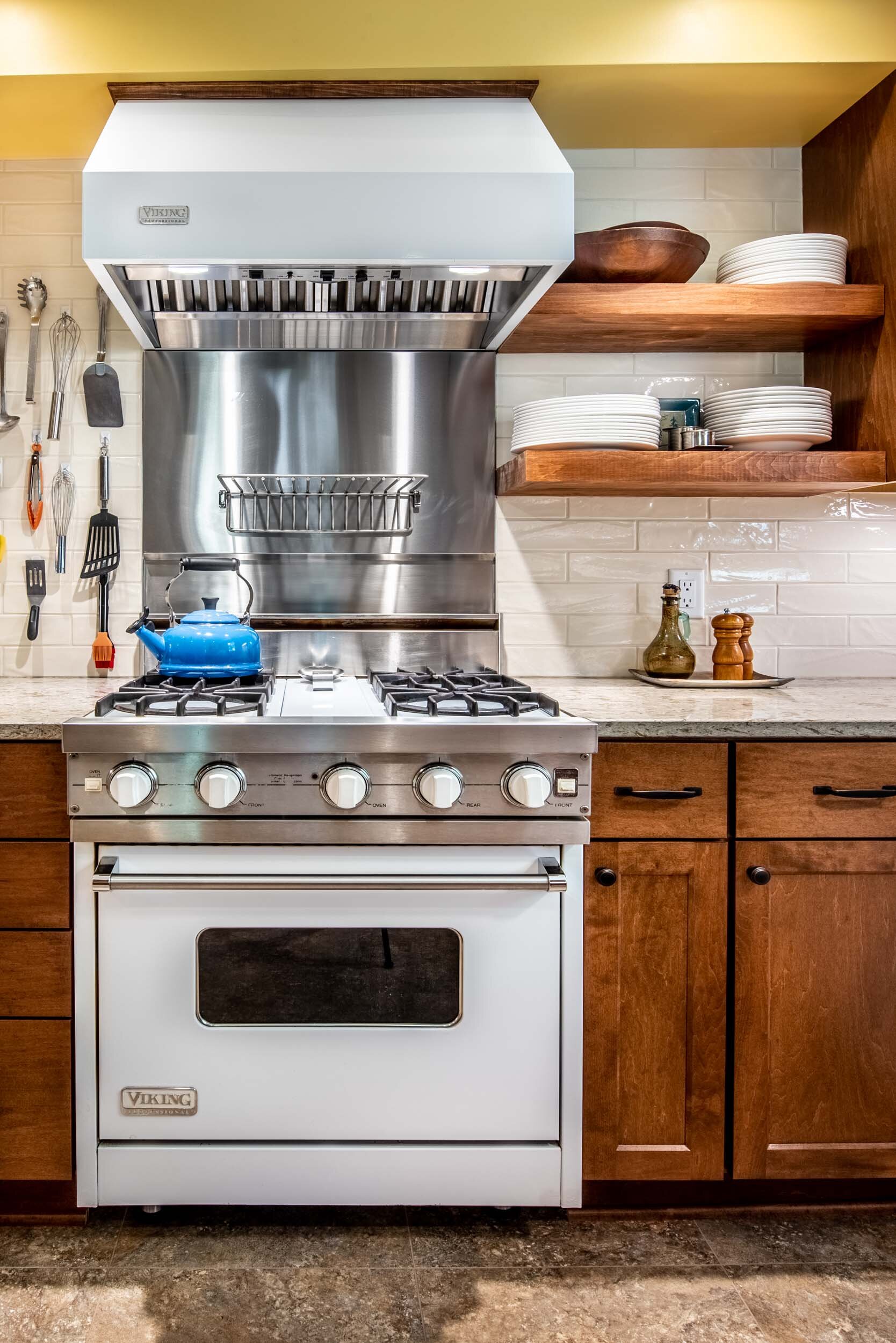
Pro Insight: Always clean from the bottom up. This prevents streaks and avoids dirty water running down onto clean areas.
Credit: degnandesignbuildremodel.com
Comparing Backsplash Materials: Cleaning Difficulty
Choosing the right backsplash material can make cleaning much easier. Here’s a quick look at how the main materials compare for everyday maintenance:
| Material | Cleaning Difficulty | Stain Resistance | Common Issues |
|---|---|---|---|
| Tile | Medium (grout stains) | High | Grout discoloration |
| Glass | Easy | Very High | Streaks, fingerprints |
| Stainless Steel | Easy | High | Smudges, water spots |
| Natural Stone | Hard (special care) | Medium | Staining, etching |
| Laminate | Easy | Medium | Scratches, water damage |
| Painted Drywall | Medium | Low | Peeling, staining |
| Vinyl | Easy | High | Peeling from heat |
Real-World Tip: If you cook daily with lots of oil, glass or stainless steel is your best friend. For less frequent cooks, tile or laminate is fine.
Preventing Future Buildup
Cleaning is easier if you prevent messes in the first place. Here are some strategies:
- Wipe up splatters immediately: Don’t wait until grease hardens.
- Use a splatter guard: Place it over pans when frying.
- Install a range hood: Good ventilation reduces sticky buildup.
- Seal grout and stone: This repels stains and makes wiping easier.
- Choose washable paint: For painted backsplashes, use gloss or semi-gloss.
Practical Insight: Keep a microfiber cloth or a pack of kitchen wipes near the stove. A quick wipe after every meal saves you hours in the long run.
Mistakes To Avoid When Cleaning Backsplash Behind Stove
Many people make the same errors when cleaning their backsplash. Here’s what to watch out for:
- Using abrasive tools: Steel wool or rough sponges scratch most surfaces.
- Ignoring the grout: Dirty grout ruins the look of clean tile.
- Overusing vinegar or bleach: Both can damage grout and natural stone.
- Letting water sit: This causes swelling in laminate and paint to peel.
- Forgetting to rinse: Leftover cleaner can leave streaks or attract more dirt.
Little-Known Fact: Residue from harsh cleaners can also affect the taste and smell of food cooked nearby.
How To Clean Hard-to-reach Areas
The area directly behind the stove can be tricky, especially if your stove is close to the wall or has a narrow gap.
- Use a long-handled brush: Designed for corners and tight spaces.
- Wrap a cloth around a spatula: Slide it into small gaps to clean hidden grease.
- Move the stove if possible: If your stove slides out, pull it forward to clean behind and down the sides.
Pro Insight: Clean these hidden spots at least once a month. They collect grease and crumbs that can attract pests.
When To Call A Professional
Most backsplash cleaning is a DIY job. However, there are times when it’s smarter to call a pro:
- Deep stains on natural stone or grout: Experts have special tools and cleaners.
- Mold or mildew: Especially if it keeps coming back after cleaning.
- Damage or loose tiles: Professionals can fix and reseal your backsplash.
Tip for Beginners: If you see cracks, missing grout, or swelling, get help before the problem gets worse.
Eco-friendly Cleaning Options
If you want to avoid chemicals, there are green solutions that work well:
- Baking soda and water: Great for gentle scrubbing.
- Castile soap: Plant-based, safe for most surfaces.
- Microfiber cloths: Clean with just water for light messes.
External Resource: For more on eco-friendly cleaning, visit the EPA’s Safer Choice program.

Credit: www.amazon.com
What To Do If You Have Patterned Or Textured Backsplash
Patterned or textured tiles can trap grease in grooves and designs. Here’s how to clean them:
- Use a soft brush: A toothbrush or detail brush gets into crevices.
- Foaming cleaners: These cling to raised patterns, breaking down grease.
- Steam cleaner: For deep cleaning, a small handheld steam cleaner can lift dirt from textured surfaces.
Little-Known Fact: Avoid using colored cleaning pads—they can leave dye stains on light-colored grout or patterns.
Maintenance Schedule For A Spotless Backsplash
Staying on top of cleaning is easier with a routine. Here’s a sample maintenance schedule:
- Every day: Wipe after cooking.
- Once a week: Clean grout and scrub stubborn spots.
- Once a month: Deep clean, polish, and reseal (if needed).
- Every 6 months: Check for loose tiles, peeling, or water damage.
Expert Insight: Set a phone reminder for monthly deep cleaning. Consistency prevents hard-to-remove buildup.
Credit: www.thekitchn.com
Frequently Asked Questions
How Do I Remove Burned-on Stains From Behind My Stove?
Soften the stain by covering it with a hot, damp cloth for several minutes. Apply a baking soda paste and let it sit for 10–15 minutes. Scrub gently with a non-abrasive brush. For very tough stains, use a small amount of commercial degreaser, making sure it’s safe for your backsplash material.
Is It Safe To Use Vinegar On All Backsplash Surfaces?
No. Vinegar is great for glass, tile, and some laminates, but it can damage natural stone (like marble or granite) and erode grout over time. Always check your backsplash material first and test in a hidden area if unsure.
Can I Use A Steam Cleaner On My Backsplash?
Steam cleaners are effective for tile, grout, and glass, but avoid them on painted drywall, laminate, or peel-and-stick vinyl as heat and moisture can cause damage or peeling. Read your manufacturer’s instructions before using steam on any surface.
How Do I Prevent Grease Buildup Behind My Stove?
Wipe the backsplash after every cooking session. Use a splatter guard when frying, and make sure your range hood is working well. Sealing grout and stone also helps prevent stains from sticking.
What Should I Do If My Backsplash Starts Peeling Or Warping?
If your backsplash is laminate, vinyl, or painted drywall and starts to peel or warp, stop using water and avoid further cleaning until it’s repaired. Address the cause (usually heat or water damage) and consult a professional for proper fixes to avoid mold or further deterioration.
Cleaning the backsplash behind your stove doesn’t have to be a chore. With the right tools, techniques, and a little regular care, you can keep this important kitchen area spotless, safe, and looking its best every day.