
How To Increase Oven Temperature
Sometimes, your oven just does not seem hot enough. Maybe your cookies take too long to bake, your pizza crust stays pale, or your roast chicken never develops crispy skin. Understanding how to increase oven temperature safely and effectively is not as simple as turning a dial.
Ovens are complex appliances, and small mistakes can lead to undercooked food, burnt edges, or even safety risks. This guide covers everything you need to know about increasing oven temperature, including practical steps, troubleshooting, calibration, safety tips, and ways to get better results from your baking and roasting.
Why Oven Temperature Matters
Oven temperature is the heart of cooking and baking. It affects how your food cooks, the texture of baked goods, and even the taste. If your oven is too cool, bread may not rise, and meat can cook unevenly. If it’s too hot, cookies can burn on the outside but stay raw inside. Accurate oven temperature means better, more predictable results.
Surprisingly, most home ovens are not perfectly accurate. Studies show that residential ovens can be off by 15 to 25°F from the set temperature. This small difference can ruin delicate recipes. Understanding how to measure, adjust, and safely increase oven temperature is key to great cooking.
Signs Your Oven Temperature Is Too Low
Before you start changing settings, confirm your oven really is too cool. Look for these signs:
- Food takes longer than recipes suggest.
- Baked goods look pale or undercooked even after the timer goes off.
- Roasts and casseroles are unevenly cooked.
- Pizza crust stays doughy after the cheese melts.
- Frozen foods (like fries or nuggets) come out soggy, not crispy.
If you notice these problems often, your oven’s temperature may be lower than the dial or display says.
Common Reasons Oven Temperature Is Low
Oven temperature can be off for many reasons. Here are some common causes:
- Thermostat drift: Over time, the oven’s internal thermostat may lose accuracy.
- Door seal damage: If the rubber gasket is torn or missing, heat escapes.
- Heating element wear: In electric ovens, the bottom or top coil may be failing.
- Improper rack placement: Racks placed too high or low can affect heat distribution.
- Blocked vents: Poor airflow inside the oven can cause uneven heat.
Sometimes, the fix is simple. Other times, you may need repairs or a new oven.
How To Check Your Oven’s Real Temperature
Before you try to increase the temperature, find out how far off your oven really is. Here’s how:
- Buy an oven thermometer. These are inexpensive and available at most kitchen stores.
- Place the thermometer in the center of the oven, not near the walls or door.
- Preheat the oven to a common temperature (like 350°F).
- Once the oven beeps or shows it’s ready, check the thermometer reading.
- Wait 10-15 minutes and check again, since ovens can cycle up and down.
If your oven thermometer shows a lower temperature than you set, you have proof the oven is running cool.
Manual And Digital Ovens: Different Methods
There are two main types of ovens in home kitchens: manual (mechanical dial) and digital (electronic controls). Each type requires a slightly different approach.
Manual Ovens
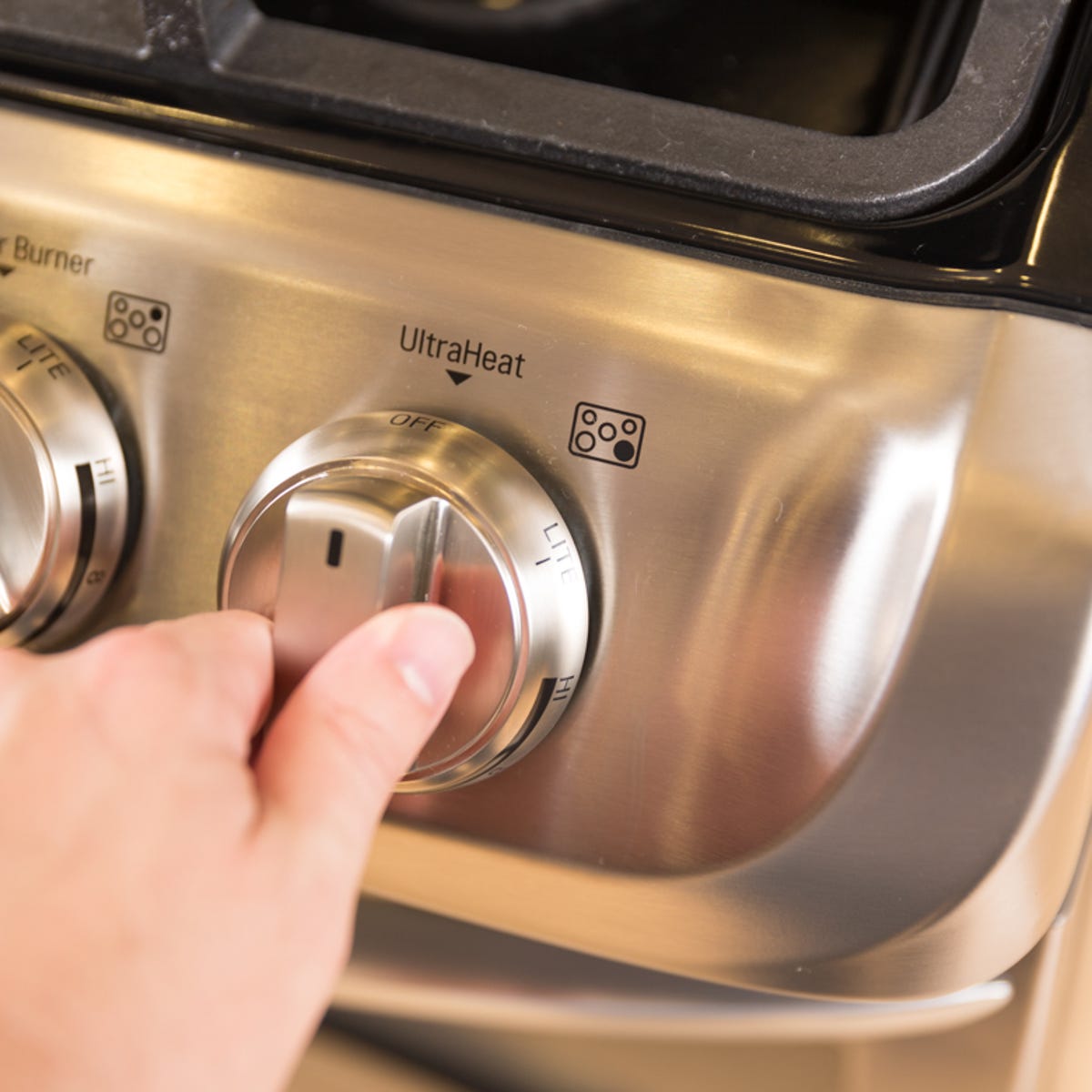
- These ovens use a turn dial or knob.
- Temperature is controlled mechanically.
- They often drift with age.
Digital Ovens
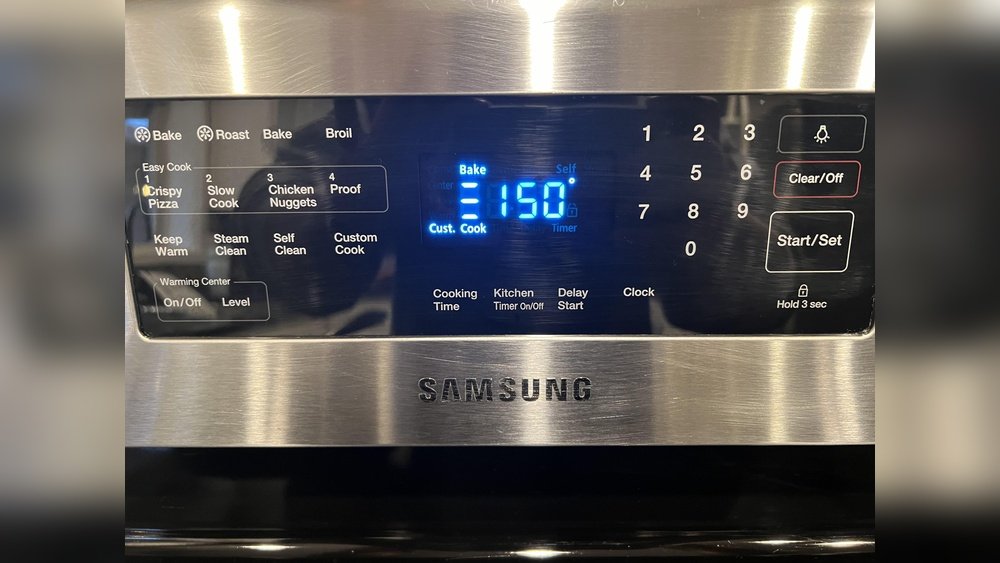
- Use buttons or a touch screen.
- May have a “calibration” option in the menu.
- More accurate, but still not perfect.
How To Safely Increase Oven Temperature
Once you know your oven is cool, here’s how to safely increase the temperature.
Adjusting The Temperature Setting
Manual (mechanical) Oven Adjustment
- Turn the dial higher: If you want 350°F but your thermometer reads 325°F, set the dial to 375°F to compensate.
- Test and record: Make small changes (5–10°F) and keep notes. Check with your oven thermometer each time.
- Avoid extreme changes: Never set your oven more than 50°F over the recipe suggestion without testing, as this can lead to burning.
Digital Oven Calibration
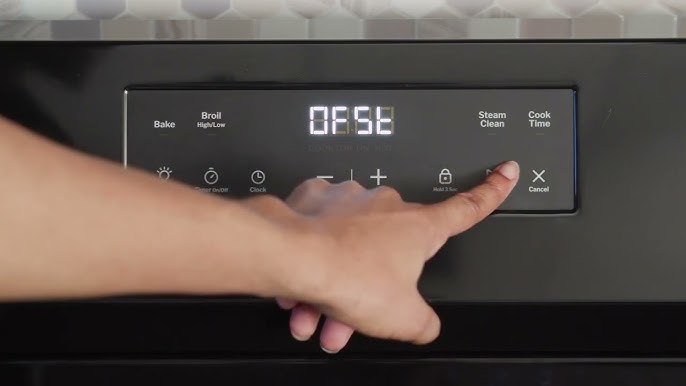
Many modern ovens have a calibration feature. This lets you adjust how the oven reads temperature.
- Check the manual: Find instructions for “calibration” or “offset.”
- Enter calibration mode: Usually, you press and hold certain buttons.
- Adjust in small steps: Most ovens allow 5°F steps, up to ±35°F.
- Test with an oven thermometer: Confirm the new setting produces accurate results.
If you cannot find calibration options, you can still manually adjust by setting the oven higher as described above.
Improving Heat Retention
Sometimes, the oven loses heat rather than being set too low. Improving heat retention can make your oven hotter without changing the dial.
- Check the door seal: The rubber gasket around the oven door should be soft and continuous. If it’s broken, order a replacement.
- Avoid opening the door: Each time you open the oven, the temperature can drop 20–40°F. Use the oven light and window instead.
- Preheat longer: Some ovens need an extra 10 minutes after the preheat beep to truly reach the set temperature.
- Bake with the right cookware: Thick metal pans retain heat better than thin, shiny ones.
Credit: www.cnet.com
Cleaning For Better Performance
A dirty oven can block heat flow. Grease, burnt crumbs, or foil on the bottom can cause cold spots. Clean your oven regularly:
- Remove racks and wash with soap and water.
- Wipe the interior with a damp cloth.
- Run the self-clean cycle if your oven has one (follow safety steps).
Replacing Or Repairing Heating Elements
If your oven still runs cool, the heating element may be faulty. In electric ovens, the bottom (bake) or top (broil) element can fail. Signs include:
- Element is visibly damaged or not glowing.
- Oven takes much longer to preheat.
- Only the top or bottom of food cooks.
Replacing the element is usually a simple repair. For gas ovens, the igniter may need cleaning or replacement.

Credit: www.youtube.com
Using Bakeware To Increase Effective Temperature
Your choice of bakeware affects heat. Here’s how to use it to your advantage:
- Dark, heavy pans absorb and retain more heat than shiny or glass pans.
- Placing a pizza stone or unglazed ceramic tile on the oven floor can help maintain even heat.
- Use a preheated baking sheet for crispier results.
Alternative Ways To Boost Oven Heat
If you need a hotter oven for special recipes (like artisan bread or pizza), consider these tips:
- Preheat for 30–45 minutes: Professional bakers preheat ovens for much longer than most people.
- Use convection mode: If your oven has a fan, turn it on. Air circulates heat and can make the oven feel hotter.
- Double up on pans: Place an extra baking sheet under your pan to reflect more heat upward.
Oven Temperature And Recipe Adjustments
If you must bake with a cooler oven, you can sometimes adjust the recipe:
- Increase baking time by 10–20% for cakes, cookies, and bread.
- Use smaller pans to decrease thickness and bake faster.
- Cover with foil to prevent over-browning during longer bakes.
But for most recipes, especially for pastries and pizza, a hotter oven is better.
Safety Considerations When Raising Oven Temperature
While increasing oven temperature can help, there are risks if you overdo it:
- Fire hazard: Paper, parchment, or plastic left inside can catch fire at high heat.
- Burned food: Higher heat can burn food quickly, especially sugar-rich items.
- Damage to oven parts: Constantly running your oven hotter than designed can wear out elements and electronics faster.
Always follow manufacturer guidelines for maximum temperature, and do not leave the oven unattended.
Comparing Oven Types: Which Ones Get Hotter?
Some ovens naturally run hotter or heat up faster. Here’s a comparison:
| Oven Type | Max Temperature (°F) | Preheat Time (to 450°F) | Heat Distribution |
|---|---|---|---|
| Conventional Electric | 500 | 15–20 min | Average |
| Convection Electric | 500 | 10–15 min | Good |
| Gas | 550 | 10–18 min | Varies |
| Toaster Oven | 450 | 5–8 min | Good (small) |
| Professional Deck Oven | 800 | 20–30 min | Excellent |
Gas ovens often get hotter and recover faster after opening the door, but can have more hot and cold spots than electric ovens. Convection ovens (with a fan) distribute heat better.
Troubleshooting: When Your Oven Still Won’t Get Hot
If you have tried all the above and your oven is still cool, here are extra troubleshooting tips:
- Check your home’s electrical supply: Weak power can mean weak heating.
- Inspect the gas line: For gas ovens, low pressure or clogs affect temperature.
- Look for error codes: Digital ovens may show error messages if sensors fail.
- Call a professional: Sometimes, only a technician can fix deep electrical or gas issues.
Common Mistakes When Trying To Increase Oven Temperature
Many home cooks make small errors that stop their ovens from reaching the right temperature. Avoid these:
- Trusting the oven beep: The beep only means the air is hot, not the entire oven.
- Using foil on the oven floor: This blocks airflow and can cause cold spots.
- Placing racks too high or low: Heat is not even throughout the oven.
- Ignoring the oven’s max setting: Setting the dial all the way up can cause damage.
- Not checking with a thermometer: Guessing leads to uneven results.
Calibrating Your Oven: Step-by-step
Proper calibration helps your oven match the temperature you set. Here’s how:
- Test with a thermometer: Heat the oven to 350°F and record the real temperature.
- Repeat at other settings: Try 400°F and 450°F for a complete picture.
- Adjust calibration: Follow your manual’s instructions to change the offset.
- Retest: Make sure changes work at all temperatures.
- Write down the offsets: If you need to set 375°F to get 350°F, note this for each recipe.
Calibration takes a little time but makes a big difference in baking and roasting.
Using Smart Ovens And Apps
Modern smart ovens can connect to your phone. Some models use sensors to adjust temperature automatically. Here’s what you need to know:
- Wi-Fi ovens let you monitor and change temperature remotely.
- Recipe apps can send temperature instructions to the oven.
- Some smart ovens alert you if the temperature is off.
These features are helpful, but always double-check with an oven thermometer for best results.
How Professional Kitchens Increase Oven Temperature
Professional bakers and chefs use different tricks to get hotter ovens:
- Preheating longer: Commercial kitchens often preheat ovens for an hour.
- Stacking stones: Pizza ovens use thick stones to hold heat.
- Using deck or wood-fired ovens: These can reach much higher temperatures than home models.
- Rotating trays: Chefs rotate pans during baking for even results.
While you may not have a pro oven, you can use these ideas at home for better heat.
Credit: www.youtube.com
Energy Use And Oven Temperature
Running your oven hotter uses more energy. Here’s a comparison:
| Temperature (°F) | Average Energy Use (kWh/hr) | Relative Cost (per hour) |
|---|---|---|
| 325 | 2.0 | Low |
| 375 | 2.5 | Medium |
| 425 | 3.0 | High |
| 475 | 3.7 | Very High |
If you bake at high temperatures often, expect your energy bill to go up. Good insulation and efficient ovens help control costs.
Real-life Example: Fixing A Slow Oven
Let’s say you notice your brownies always come out sticky in the center, even after baking for the recommended time. You suspect your oven is running cool.
- You buy an oven thermometer. You set your oven to 350°F, but the thermometer reads only 330°F.
- You try setting the oven to 370°F and check again. The thermometer now shows 350°F.
- You write down the offset so you remember to set the oven 20°F higher for future recipes.
- You check the door seal and find a small tear, so you order a replacement.
- After repairs and testing, your brownies bake perfectly in the suggested time.
This process works for cakes, cookies, bread, and even roasts.
Two Non-obvious Insights For Better Results
- Oven temperature cycles up and down as it maintains heat. Most ovens swing above and below the set point by 10–20°F. For sensitive recipes (like soufflés), wait 10 minutes after the preheat beep before baking.
- Rack position changes effective temperature. The top rack is usually hotter than the middle, and the bottom cooler. Moving your tray up or down by even one level can change browning and doneness.
When To Call A Professional
If you have tried everything and your oven still will not heat up or overshoots, it may be time for expert help. Signs you need a technician:
- Oven trips the breaker or blows fuses.
- Gas smell from a gas oven.
- Digital controls do not respond or show errors.
- Heating element does not glow or spark.
A professional can test electrical connections, gas lines, and sensors for deeper problems.
Upgrading Your Oven For Higher Temperatures
If you love baking pizza, artisan bread, or high-heat roasting, you may want an oven that can go hotter. Some options:
- High-end home ovens: Some reach up to 600°F.
- Countertop pizza ovens: Small, specialized appliances that reach 700°F or higher.
- Outdoor ovens: Wood-fired or gas ovens for backyards can reach 900°F.
When shopping, compare maximum temperature, preheat speed, and heat distribution. For more details, visit the Wikipedia page on ovens.
Frequently Asked Questions
How Do I Know If My Oven Is Not Hot Enough?
If your food takes longer than the recipe says, or always comes out undercooked, your oven may be running cool. The best way to check is with an oven thermometer. Place it in the center and compare the reading to your oven’s setting.
Can I Make My Oven Hotter Than The Maximum Setting?
You should not try to force your oven to go above its designed maximum. This can be dangerous and may damage the appliance. If you need higher temperatures for special recipes, consider a pizza oven or an outdoor oven.
Why Does My Oven Temperature Drop When I Open The Door?
Oven temperature can drop 20–40°F every time you open the door. Heat escapes quickly, and it takes time for the oven to recover. Use the oven window and light to check your food whenever possible.
How Often Should I Calibrate My Oven?
Most ovens need calibration every 1–2 years, or whenever you notice recipes are not turning out as expected. Always check with an oven thermometer before making adjustments.
What Is The Best Rack Position For Higher Heat?
The top rack is usually hotter and gives more browning, while the middle rack gives even cooking. For pizza and bread, the bottom rack can give a crispier crust. Move your rack based on what you are baking.
Raising your oven temperature is more than turning a dial. By following these steps, you can bake, roast, and cook with confidence—and get better results from any oven.