
If you own an Asko dishwasher, you know the comfort it brings: spotless dishes with little effort. But to keep this high-end appliance working perfectly, regular cleaning is crucial. Many people forget that dishwashers also need cleaning. Over time, food particles, grease, and minerals can build up. This can lead to odors, cloudy glassware, or even machine breakdowns. Cleaning your Asko dishwasher well is not just about hygiene—it’s about protecting your investment and making sure every wash is as good as the first.
In this guide, you’ll learn everything needed to clean your Asko dishwasher inside and out. Even if you’re new to dishwasher care, you’ll find clear steps, practical tips, and expert advice. You’ll also discover mistakes to avoid and answers to common questions.
By the end, you’ll have the confidence to keep your Asko dishwasher running smoothly for years.
Why Cleaning Your Asko Dishwasher Matters
Many people think dishwashers clean themselves. In fact, even the best dishwashers, like Asko, need regular maintenance. Food scraps, soap residue, and minerals from hard water can collect in hidden parts. Over time, this causes:
- Unpleasant odors
- White spots or film on dishes and glassware
- Clogged spray arms and filters
- Poor cleaning performance
- Increased energy use
According to the National Sanitation Foundation, 1 in 5 dishwashers contains harmful bacteria if not cleaned regularly. A dirty dishwasher can even make your dishes dirtier. Regular cleaning keeps your appliance safe, efficient, and long-lasting.
How Often Should You Clean An Asko Dishwasher?
Not all dishwasher parts need cleaning at the same rate. Here’s a general schedule:
- Wipe door and gasket: Weekly
- Clean filter: Every 1-2 weeks
- Descale (remove limescale): Every 1-3 months, more often with hard water
- Deep clean interior: Monthly
- Clean spray arms: Every 1-2 months
If you notice odors, film, or dirty dishes, clean sooner. Homes with hard water or heavy use may need more frequent cleaning.
Credit: in.asko.com
What You’ll Need
Before starting, gather these supplies:
- Soft cloths or sponges
- Old toothbrush or small brush
- White vinegar
- Baking soda
- Dish soap (mild, non-abrasive)
- Toothpick or small pin
- Bowl or cup
- Rubber gloves
- Towel
- Descaler (for hard water)
- Flashlight (optional)
Never use bleach in stainless steel dishwashers like Asko. Bleach can damage the interior and seals.
Step-by-step Guide: Cleaning Your Asko Dishwasher
Follow these steps for a thorough clean. Each step targets a specific part of the dishwasher.
1. Empty The Dishwasher Completely
Start with an empty dishwasher. Remove all dishes, utensils, racks, and baskets. This gives full access to all parts.
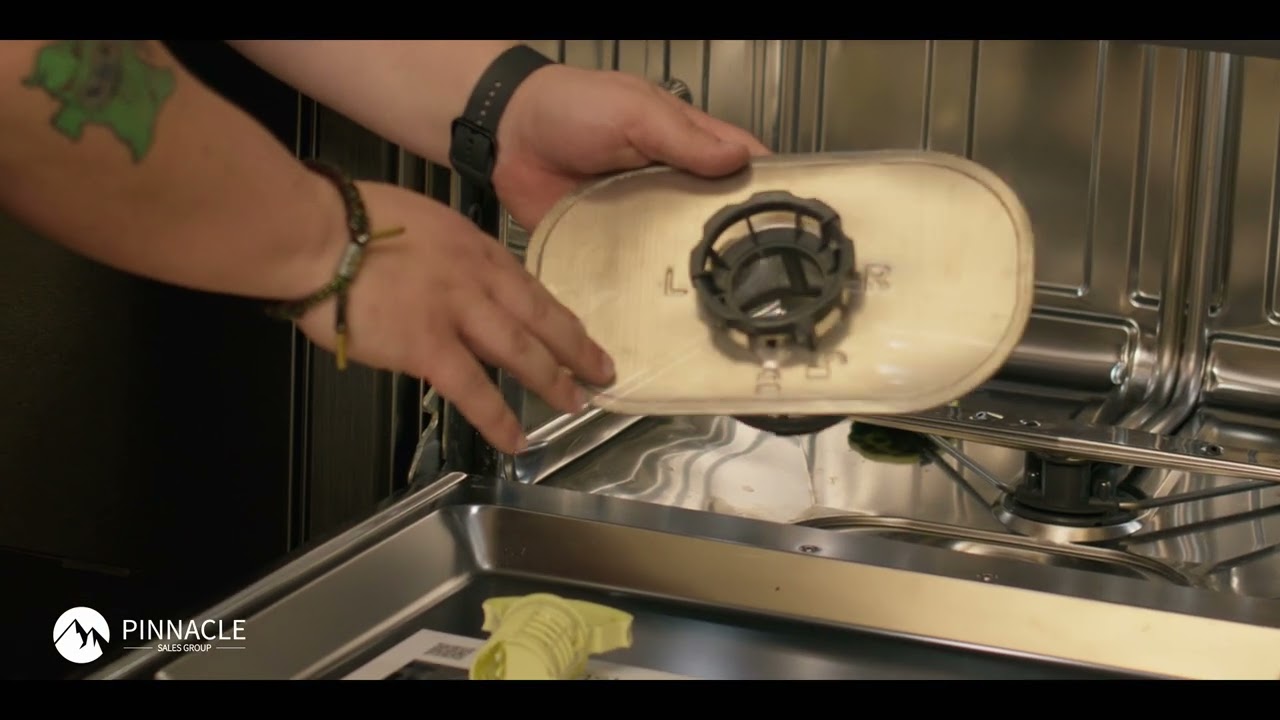
2. Clean The Filter
The filter is the heart of your dishwasher’s cleaning system. If it’s clogged, water can’t flow well and food particles stay on your dishes.
- Find the filter at the bottom of the tub, under the spray arm.
- Twist counterclockwise to unlock and lift out the filter.
- Rinse under hot water. Use a soft brush to remove grease and food bits. For stubborn dirt, soak in warm soapy water for 10-15 minutes.
- Check the filter housing for debris and wipe it clean.
- Reinstall the filter, locking it securely.
Non-obvious tip: Some Asko models have a two-part filter—main and fine mesh. Clean both separately.
3. Check And Clean The Spray Arms
Spray arms spin and spray water during cycles. If holes are blocked, dishes won’t get clean.
- Remove the lower and upper spray arms. Usually, they snap out or need a gentle twist.
- Rinse under running water.
- Use a toothpick or pin to clear blocked holes. Avoid using sharp objects that could damage the holes.
- Wipe the arms with a damp cloth.
- Reinstall the spray arms, making sure they spin freely.
Insight: Even tiny particles can block spray holes, so inspect each one closely.
4. Wipe The Door, Gasket, And Edges
Food and grease can collect around the door seal (gasket) and edges.
- Use a damp cloth with mild dish soap to wipe the door, gasket, and the area where the door meets the tub.
- Pay special attention to the rubber seal, as mold and mildew can grow here.
- For sticky spots, use a toothbrush dipped in vinegar.
Beginners often forget: The bottom edge of the door is a hidden spot where grime collects. Always wipe here.
5. Clean The Racks And Utensil Baskets
Remove both racks and the utensil basket.
- Wash in warm, soapy water.
- Use a brush for any stuck-on food or mineral deposits.
- Rinse and dry thoroughly before putting back.
Extra tip: Inspect rack wheels. If they’re sticky or loose, clean them and check for damage.
6. Deep Clean The Interior
For a sparkling interior and fresh smell, use vinegar and baking soda.
Vinegar Wash
- Place a cup of white vinegar in a dishwasher-safe bowl on the top rack.
- Run the hottest, longest cycle with the dishwasher empty (no detergent).
- Vinegar breaks down grease, scale, and odors.
Baking Soda Rinse
- When the cycle ends, sprinkle 1 cup of baking soda on the bottom of the tub.
- Run a short, hot cycle.
- Baking soda removes stains and deodorizes.
Practical tip: Do not mix vinegar and baking soda in one cycle. Use them separately for best results.
7. Descale For Hard Water
If you have hard water, mineral buildup (limescale) can coat the interior and heating element.
- Use a dishwasher-safe descaler, following package directions.
- Run a hot cycle with no dishes.
- For a natural option, use citric acid (2-3 tablespoons in the detergent dispenser).
Data point: Hard water affects over 85% of US homes and can reduce dishwasher efficiency by 30%.
8. Clean The Drain Area
The drain is at the bottom, under the filter. Food debris often collects here.
- Shine a flashlight to see inside.
- Wipe out visible debris with a cloth.
- If water stands in the drain, use a turkey baster to remove it, then clean the area.
9. Clean The Exterior
Wipe the door and control panel with a damp cloth and mild soap. For stainless steel, use a special cleaner or a vinegar-water mix. Wipe in the direction of the grain to avoid streaks.
Never use abrasive cleaners or pads on the exterior—they can scratch the finish.
10. Run A Test Cycle
After cleaning, run a short cycle (without dishes or detergent) to rinse away any leftover cleaning agents. Check that everything works and the dishwasher smells fresh.
Special Cleaning Tasks For Asko Dishwashers
Some Asko models have unique features that need extra care.
Self-cleaning Programs
Many Asko dishwashers have a “Self-Clean” or “Hygiene” cycle. This uses higher temperatures to sanitize the interior.
- Use this cycle monthly, or after cleaning the filter and spray arms.
- Add vinegar for extra cleaning, but never add detergent on this cycle unless the manual says so.
Stainless Steel Care
Asko dishwashers often have stainless steel interiors. These are durable but can get water spots.
- Use a stainless steel cleaner or a vinegar-water solution.
- Dry with a soft towel after cleaning.
- Avoid bleach and strong chemicals.
Common Mistakes To Avoid
Even careful owners make these errors:
- Skipping the filter: If you forget to clean the filter, food can cycle back onto your dishes.
- Using bleach: This damages the stainless steel and rubber parts.
- Overfilling with soap: Too much detergent causes residue and poor rinsing.
- Not rinsing dishes: Large food scraps can block spray arms and drains.
- Ignoring hard water: Limescale reduces heating and cleaning power.
- Forgetting the door seal: Mold can grow here and spread odors.
- Using abrasive pads: These scratch the interior and racks.
Signs Your Asko Dishwasher Needs Cleaning
Pay attention to these warning signs:
- Cloudy glassware or white spots after washing
- Unpleasant odors when you open the door
- Dishes not clean after a cycle
- Water standing at the bottom after use
- Visible debris on filter or spray arms
- Longer wash times or error codes on display
If you see any of these, clean your dishwasher right away.
Troubleshooting: What If Cleaning Doesn’t Help?
Sometimes, cleaning isn’t enough. Here are possible reasons and actions:
- Persistent odors: Check for hidden food under the filter or in the drain. Run a vinegar cycle twice.
- Dishes still dirty: Make sure spray arms are fully clear and filter is locked in place.
- Standing water: Check for blockages in the drain hose or under the sink.
- Error codes: Look up the code in your Asko manual; it may signal a technical issue.
For ongoing problems, contact Asko support or a qualified technician.
Comparison: Asko Vs. Other Dishwasher Brands For Cleaning Ease
Cleaning needs vary by brand. Here’s how Asko compares:
| Feature | Asko | Bosch | Whirlpool | Samsung |
|---|---|---|---|---|
| Stainless steel tub | Yes | Yes | Optional | Optional |
| Removable filter | Yes | Yes | Yes | Yes |
| Self-cleaning cycle | Yes | Some models | Some models | Some models |
| Easy spray arm removal | Yes | Yes | No | No |
| Filter access | Front, tool-free | Front, tool-free | Varies | Varies |
Asko is known for easy access to filters and spray arms, making regular cleaning simpler for most users.
The Role Of Water Quality In Dishwasher Cleaning
Hard water is a hidden enemy for dishwashers. It causes limescale on heating elements, spray arms, and inside the tub. Over time, this reduces cleaning power and increases energy use.
Signs of hard water problems:
- White, chalky buildup inside the dishwasher
- Cloudy or spotted glassware
- Dull-looking dishes
Solutions:
- Use a water softener (built-in or separate)
- Run descaling cycles regularly
- Add rinse aid to reduce spots
For more about water hardness, see this guide on the Environmental Working Group.
Credit: www.youtube.com
Diy Vs. Professional Dishwasher Cleaning
Most routine cleaning is easy to do yourself. But sometimes a professional cleaning is helpful:
| Task | DIY | Professional |
|---|---|---|
| Filter and spray arm cleaning | ✔️ | ✔️ |
| Descaling | ✔️ | ✔️ |
| Drain hose unclogging | Maybe | ✔️ |
| Replacing seals or parts | Maybe | ✔️ |
| Deep sanitation | ✔️ | ✔️ |
| Electrical repairs | ❌ | ✔️ |
DIY cleaning covers most needs. If you notice leaks, persistent errors, or drainage problems, call a technician.
How To Keep Your Asko Dishwasher Clean Longer
Regular cleaning is important, but small daily habits also help.
- Scrape food off plates before loading. No need to pre-rinse, but remove large scraps.
- Use the right detergent and don’t overfill the dispenser.
- Check the filter weekly for buildup.
- Leave the door open a few inches after washing. This prevents mold and odor.
- Add rinse aid if water is hard or glasses spot easily.
- Wipe the gasket and edges after each use, especially if you see water or debris.
What If You Use Your Asko Dishwasher Rarely?
If you run your dishwasher only a few times a week or less, still clean it monthly. Stagnant water can cause odors and bacteria growth. Run a rinse cycle with vinegar before the next use.
When To Replace Dishwasher Parts
Even with good care, some parts wear out.
- Filter: Replace every 2-3 years or if damaged.
- Spray arms: Replace if cracked or not spinning.
- Gasket: Replace if it’s loose, cracked, or moldy.
- Racks: Look for rust or broken wheels.
You can find genuine Asko parts online or from authorized dealers. Always use the correct part for your model.

Credit: www.youtube.com
Environmental Impact Of Cleaning Your Dishwasher
Regular cleaning helps your dishwasher use less water and energy. A clogged filter or spray arm forces the machine to run longer cycles. Clean machines also need less detergent. Over time, you save water, power, and reduce pollution.
What To Do If You Smell Mold Or Mildew
Mold in dishwashers is not just unpleasant—it can be unhealthy.
- Clean the gasket, filter, and door edges with vinegar.
- Run a vinegar cycle, then a baking soda cycle.
- Dry the inside with a towel and leave the door open after each wash.
- If odor persists, check the drain hose for blockage.
Are Dishwasher Cleaning Products Safe?
Many commercial cleaning products are safe for Asko dishwashers. Check the label for “dishwasher safe” and avoid bleach. Natural options like vinegar and baking soda are very effective and safe for most parts.
Energy Efficiency And Cleaning
A clean dishwasher runs more efficiently. Mineral deposits and grease force the motor and heater to work harder. Regular cleaning can lower your energy bill by up to 15%. Clean spray arms and filters help each wash use less water.
The Real Cost Of Not Cleaning Your Dishwasher
Ignoring maintenance can be expensive. Repairs for clogged pumps or heating elements can cost $150-$400. In severe cases, a full replacement may be needed. Regular cleaning takes just 15-20 minutes a month and protects your investment.
Frequently Asked Questions
How Do I Remove Tough Limescale From My Asko Dishwasher?
For stubborn limescale, use a dishwasher-safe descaling product. Place it in the detergent compartment and run the hottest cycle with no dishes. You can also use 2-3 tablespoons of citric acid or a cup of white vinegar. Repeat monthly if you have hard water.
Can I Use Bleach To Clean My Asko Dishwasher?
No, never use bleach in Asko dishwashers, especially with a stainless steel interior. Bleach can damage the metal, seals, and create harmful fumes. Stick to vinegar, baking soda, or approved dishwasher cleaners.
Why Does My Asko Dishwasher Smell Bad Even After Cleaning?
Odors often mean hidden food or grease. Re-clean the filter, spray arms, and drain area. Check the door seal for mold. Run a vinegar cycle, then leave the door open to air out. If odor persists, check for a clogged drain hose.
How Often Should I Clean The Filter In My Asko Dishwasher?
Clean the filter every 1-2 weeks, or more often if you use your dishwasher heavily or notice residue on dishes. A clean filter keeps water flowing and improves cleaning results.
What Is The Best Way To Keep The Stainless Steel Interior Shiny?
Wipe the inside with a soft towel after each use. For stubborn spots, use a stainless steel cleaner or a mix of vinegar and water. Dry thoroughly to prevent streaks. Never use abrasive pads or bleach.
Keeping your Asko dishwasher clean is simple with regular care and the right habits. You’ll protect your machine, enjoy spotless dishes, and avoid costly repairs. A few minutes of maintenance can add years of trouble-free performance to your Asko dishwasher.