
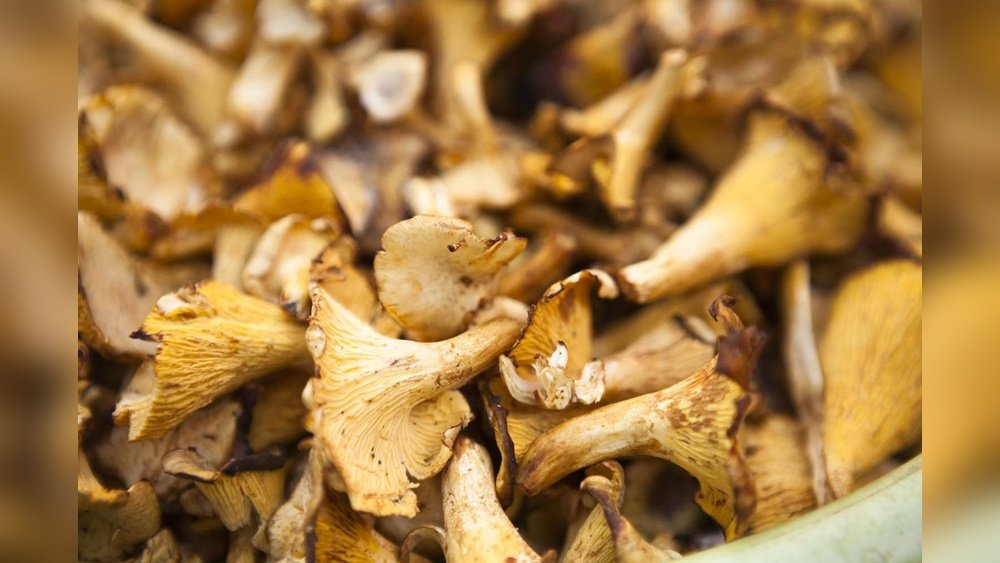
Drying mushrooms at home is a smart way to keep your favorite fungi fresh for months. If you love cooking with mushrooms, drying them in your oven means you’ll always have flavorful ingredients on hand—no need to worry about them spoiling in the fridge.
This process is practical, cost-effective, and surprisingly simple. You don’t need special machines or hard-to-find equipment, just your kitchen oven and a few basic items.
This guide walks you through every step of how to dry mushrooms in the oven. You’ll learn how to pick the right mushrooms, prepare them properly, set your oven for best results, and store the dried mushrooms so they stay fresh and tasty. Along the way, you’ll get practical tips, avoid common mistakes, and see how drying mushrooms at home can save you money and add flavor to your meals. You’ll also find answers to common questions and see useful data that helps you get the process just right.
Why Dry Mushrooms?
Drying mushrooms isn’t just about making them last longer. It’s about capturing their flavor at its best and making sure they’re always ready for your next soup, stew, or sauce. When you dry mushrooms, you:
- Preserve flavor: Dried mushrooms often taste even richer than fresh ones because the drying process concentrates their natural umami.
- Reduce waste: No more throwing out mushrooms that go slimy in the fridge.
- Save money: Dried mushrooms from the store can be expensive. Drying your own can cost half as much or less.
- Store easily: Dried mushrooms take up less space and don’t need refrigeration.
- Have instant ingredients: Just add hot water, and your mushrooms are ready for use.
These benefits make drying mushrooms in your oven a useful kitchen skill. But to get the best results, you need to do it right.
Choosing Mushrooms For Oven Drying
Not all mushrooms dry the same way. Some hold their flavor and texture better than others. Here’s what you should know before you start:
- Best Types to Dry
- Button mushrooms (white or brown): Easy to find and dry well.
- Cremini (baby bellas): Rich, earthy flavor.
- Portobello: Big, meaty slices after drying.
- Shiitake: Classic for Asian dishes; keep their chewy texture.
- Oyster mushrooms: Unique shape, mild flavor.
- Porcini: Expensive fresh, but excellent dried—if you can find them.
- Avoid High-Water Mushrooms
- Enoki and very delicate mushrooms can dry poorly or lose too much texture.
- Freshness Matters
- Only dry mushrooms that are firm, not slimy or discolored.
- Small blemishes are okay, but avoid any with mold.
- Organic or Clean Sources
- Mushrooms absorb chemicals easily. If possible, choose organic or wild mushrooms you can trust.
- Size and Thickness
- Thicker mushrooms (like portobello caps) should be sliced thin for even drying.
:max_bytes(150000):strip_icc()/__opt__aboutcom__coeus__resources__content_migration__serious_eats__seriouseats.com__recipes__images__20100726driedmushrooms-cb3d707aba04460e93af8bc42f069d92.jpg)
Credit: www.seriouseats.com
Prepping Mushrooms For Drying
Preparing mushrooms the right way helps them dry evenly and stay safe to eat. Here’s how to get them ready:
- Clean Gently
- Use a dry brush or a slightly damp cloth to wipe away dirt.
- Avoid soaking mushrooms in water. They’ll absorb moisture and take much longer to dry.
- If mushrooms are very dirty, rinse quickly and dry immediately with paper towels.
- Trim and Discard
- Cut off tough stems or any bruised spots.
- For shiitake, remove and discard the woody stem—it doesn’t soften well even after drying.
- Slice Uniformly
- Slice mushrooms to about 1/4 inch (0.6 cm) thick. Thicker pieces take longer to dry.
- Try to keep all slices the same thickness for even drying.
- Optional: Blanching
- Some cooks blanch mushrooms quickly in boiling water (1 minute) to help them dry faster and keep color. This step is optional for most common types.
- Arrange for Drying
- Lay the slices in a single layer on a wire rack or baking sheet. Don’t let pieces overlap.
Step-by-step: How To Dry Mushrooms In The Oven
Drying mushrooms in the oven is easy, but it does take patience. Here’s the process, from start to finish:
- Preheat the Oven
- Set your oven to 140–160°F (60–71°C). This is the ideal range for drying mushrooms. If your oven doesn’t go that low, use the lowest possible setting and prop the door open slightly.
- Prepare Trays
- Use a wire rack set over a baking sheet. This allows air to circulate under the mushrooms.
- If you only have baking sheets, line them with parchment paper and turn mushrooms halfway through.
- Arrange the Mushrooms
- Spread slices in a single layer. Leave space between pieces.
- Dry in the Oven
- Place trays in the middle of the oven.
- Prop the oven door open with a wooden spoon or heat-safe object. This lets moisture escape, helping mushrooms dry instead of steam.
- Check and Turn
- After the first hour, turn the mushrooms with tongs or a spatula.
- Check every 30–60 minutes for even drying.
- Total Drying Time
- Drying usually takes 2 to 6 hours, depending on slice thickness, oven temperature, and mushroom type.
- Thinner slices and higher temperatures dry faster.
- Test for Doneness
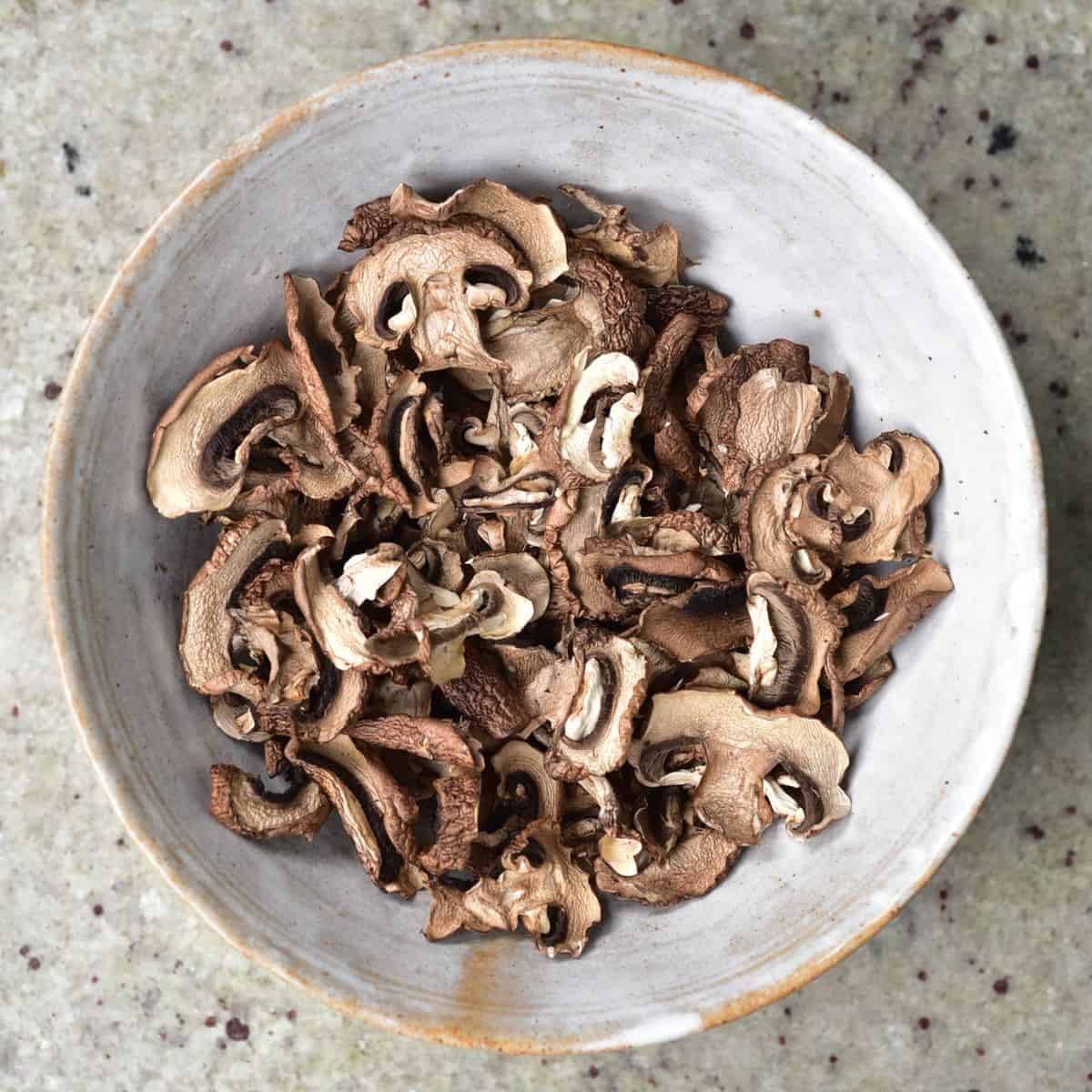
- Mushrooms are ready when they feel dry, crisp, and snap easily.
- If they’re still bendy or spongy, keep drying.
- Cool and Store
- Let mushrooms cool completely on the tray before storing.
- Store in airtight containers away from light and moisture.
How Oven Drying Compares To Other Methods
You might wonder: why not use a dehydrator, air-dry, or microwave? Each method has pros and cons. Here’s a comparison:
| Method | Pros | Cons | Best For |
|---|---|---|---|
| Oven Drying | Easy, uses common equipment, good results | Uses energy, needs monitoring | Most home cooks |
| Dehydrator | Set-and-forget, very even drying | Extra cost, takes space | Frequent drying, large batches |
| Air Drying | No energy needed | Slow, only works in dry climates, risk of mold | Traditional methods, specialty mushrooms |
| Microwave | Very fast | Small batches, can cook instead of dry | Quick snacks, small amounts |
Oven drying gives you the best mix of convenience and control, especially if you dry mushrooms only a few times a year.
Best Oven Settings And Tips
Your oven’s settings and how you use them can make a big difference. Here’s how to get ideal results:
- Temperature Matters
- Too hot (above 170°F / 77°C): Mushrooms may cook or brown, losing flavor.
- Too cool: Drying takes much longer, risk of mold if not fully dry.
- Oven Door
- Always prop the door open a crack. This helps moisture escape and avoids steaming.
- Rack Position
- Middle or upper-middle rack works best for even heat.
- Circulation
- If you have a convection setting, use it. It moves air and speeds drying.
- Batch Size
- Don’t overcrowd trays. Mushrooms need space for the air to move.
- Flip or Stir
- For thick or sticky slices, flip halfway to help both sides dry evenly.
- Keep an Eye
- Check often, especially near the end, to avoid over-drying or burning.
Credit: www.alphafoodie.com
How To Store Dried Mushrooms Properly
Storing dried mushrooms the right way keeps them safe and tasty for months. Here’s how:
- Cool Completely
- Mushrooms must be fully cool before sealing. Warm mushrooms can create condensation, leading to mold.
- Airtight Containers
- Use glass jars, zip-top bags, or vacuum-sealed bags.
- Squeeze out as much air as possible.
- Dark, Dry Storage
- Keep containers in a dark pantry or cupboard, away from heat and moisture.
- Label and Date
- Write the drying date on each container. Use older mushrooms first.
- Check for Moisture
- If you see any condensation or soft mushrooms after a few days, repeat drying for another hour.
- Storage Time
- Properly dried and stored mushrooms last up to a year or longer, but flavor is best in the first 6–8 months.
- Add a Desiccant (Optional)
- For extra safety, add a food-safe silica gel packet to the jar.
How To Use Dried Mushrooms
Dried mushrooms are a pantry superstar. Here’s how you can use them:
- Rehydrating
- Soak dried mushrooms in warm water for 15–30 minutes.
- Drain and squeeze gently to remove excess water.
- Save the soaking liquid! Strain it and use in soups or sauces for extra flavor.
- Cooking Directly
- Add dried mushrooms straight to soups, stews, or risottos. They’ll soften as they cook.
- Grinding for Powder
- Blend dried mushrooms to make mushroom powder. Use it as a seasoning for meats, sauces, or vegetable dishes.
- Flavor Boost
- A small handful of dried mushrooms can double the umami in a dish compared to fresh.
- Recipe Ideas
- Risotto
- Gravy or soup bases
- Stir-fries
- Pasta sauces
Troubleshooting Common Problems
Sometimes, things don’t go as planned. Here’s how to fix the most common issues:
- Mushrooms Won’t Dry
- Check oven temperature: Is it too low?
- Slices too thick: Cut thinner next time.
- Too many mushrooms on the tray: Spread out more.
- Mushrooms Turn Brown or Burn
- Oven too hot: Lower the temperature.
- Too close to heating element: Move tray up or down.
- Mushrooms Stay Chewy or Flexible
- Not dry enough: Return to oven until crisp.
- Humid weather: Dry longer or use a dehumidifier in the kitchen.
- Mold After Storage
- Not fully dry before storing.
- Container not airtight.
- Always check before use: If you see mold, discard the whole batch.
- Loss of Flavor
- Mushrooms too old before drying.
- Dried at too high heat, which cooks out aroma.
Smart Tips For Oven Drying Mushrooms
A few extra pointers can take your dried mushrooms from good to great:
- Slice Stems Separately
- Stems dry slower than caps. Dry them on a separate tray or remove halfway through.
- Use a Fan
- If your oven doesn’t circulate air, set a small fan by the open door to help moisture escape.
- Batch Processing
- Dry large amounts in several batches for consistent results.
- Test with a Small Batch
- Try drying a handful first to learn how your oven handles mushrooms.
- Watch for Overlap
- Even small overlaps slow drying and can cause uneven texture.
- Flavor Experimentation
- Try drying different types together for blended flavor, or keep varieties separate for specific recipes.
- Don’t Rush
- Low and slow is better than fast and hot. Patience brings the best flavor.
Cost, Savings, And Environmental Impact
Drying mushrooms at home can save you money and reduce food waste. Here’s how it stacks up:
| Store-Bought Dried | Fresh Mushrooms (DIY Dried) | Average Cost Per Ounce | Waste/Spoilage |
|---|---|---|---|
| Dried shiitake | Fresh shiitake (home dried) | $4–$6 (store) | Low if dried at home |
| Dried porcini | Fresh porcini (home dried) | $6–$12 (store) | Minimal with proper storage |
| Dried button/cremini | Fresh button/cremini (home dried) | $2–$3 (store) | Almost zero if dried promptly |
Drying at home also means less packaging waste and fewer trips to the store. It’s a small but meaningful way to lower your environmental impact.
Real-world Example: Drying Cremini Mushrooms
Let’s look at a typical home drying session:
- Amount: 1 pound (450 g) fresh cremini mushrooms
- Prep: Clean and slice to 1/4 inch thick (about 3 cups sliced)
- Oven: Set to 150°F (65°C), door propped open
- Time: 3 hours, checked and flipped halfway
- Yield: About 1.5 ounces (40 g) dried mushrooms
- Storage: Sealed in a glass jar, cool pantry
This batch will flavor at least 8–10 meals and lasts up to a year if stored correctly.
Nutritional Value Of Dried Vs Fresh Mushrooms
Drying mushrooms changes their nutrition, but not always in a bad way. Here’s what happens:
- Water loss: Dried mushrooms are lighter, but nutrients are more concentrated.
- Protein, fiber, minerals: Remain about the same per gram.
- Vitamins (like B vitamins): Some loss, but most remain.
- Calories: About the same per dry weight.
Dried mushrooms are a great source of umami flavor, fiber, and minerals. Use them in a balanced diet for variety.
Safety And Hygiene
A few safety steps keep your dried mushrooms delicious and safe:
- Never dry spoiled mushrooms. Only use ones you’d eat fresh.
- Don’t eat mushrooms you can’t identify. Wild mushrooms can be dangerous.
- Ensure full dryness. Partially dried mushrooms can develop mold or bacteria.
- Store away from sunlight and heat. This keeps flavor and prevents spoilage.
- Check before use. If mushrooms smell off or have visible mold, discard them.
For more on mushroom safety, see the USDA’s safe food handling guidelines.

Credit: www.reddit.com
Frequently Asked Questions
How Do I Know When Mushrooms Are Fully Dry?
Dried mushrooms should feel crisp and brittle. They should snap cleanly when bent, not bend or feel soft. If you’re not sure, let them cool for 10 minutes, then check again. It’s better to over-dry a little than to leave any moisture.
Can I Dry Mushrooms Without Slicing Them?
Whole mushrooms take much longer to dry and may dry unevenly. It’s best to slice mushrooms to 1/4 inch thick for faster, more even drying. If you want to dry small mushrooms whole, pierce them with a knife to help moisture escape, and allow extra drying time.
What Can I Do If My Dried Mushrooms Turn Soft During Storage?
If dried mushrooms become soft, it means they have absorbed moisture from the air. Return them to the oven at 150°F (65°C) for 30–60 minutes until crisp, then cool and store in a more airtight container with a desiccant packet.
Are Dried Mushrooms As Healthy As Fresh Mushrooms?
Yes—dried mushrooms keep most of their nutrients. Some heat-sensitive vitamins are lost, but minerals, fiber, and protein stay about the same. Because they are concentrated, you get more nutrition per ounce compared to fresh.
Can I Dry Mushrooms In A Toaster Oven?
Yes, a toaster oven works if it holds a low temperature (140–160°F / 60–71°C) and you can prop the door open. Use a small tray and check often, as toaster ovens heat unevenly.
Drying mushrooms in your oven is a satisfying way to cut waste, save money, and add flavor to your kitchen. With the right steps, you’ll have tasty, shelf-stable mushrooms ready whenever you need them—no special gadgets required.