
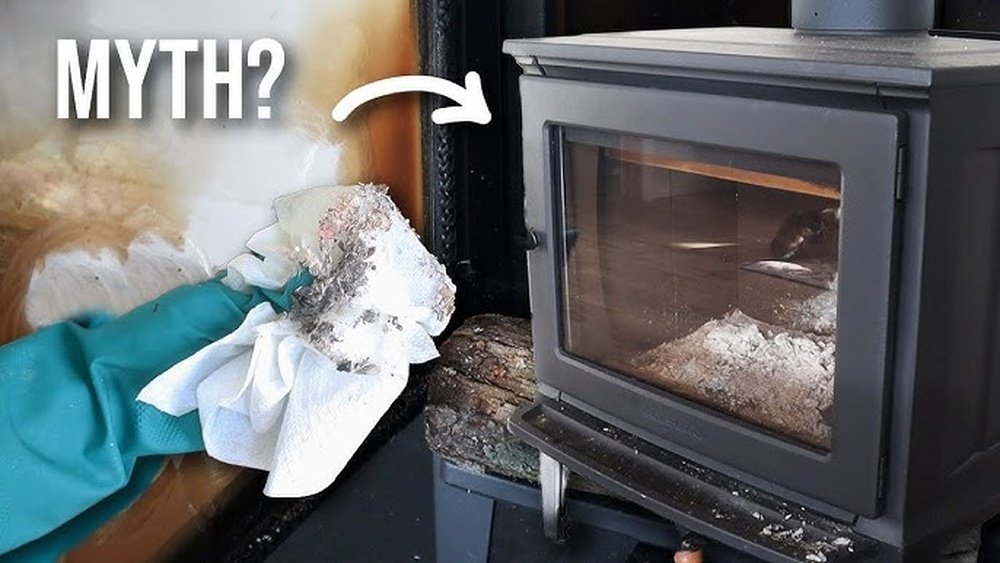
Keeping your log burning stove glass clean is more than just about looks. Clean glass lets you enjoy the warm glow and see the fire clearly. It also helps your stove work better and last longer. But many people struggle with blackened or cloudy glass, unsure how to get it spotless again. If you’ve ever tried to scrub off soot, only to see smudges or scratches left behind, you’re not alone. Cleaning stove glass can be tricky if you don’t know the right methods or tools.
This guide explains everything you need to know to keep your log burner glass crystal clear, from why it gets dirty to step-by-step cleaning tips. You’ll learn about the best products, home remedies, safety mistakes to avoid, and how to prevent soot build-up in the future. Whether you’re a new stove owner or want better results, you’ll find practical advice that really works.
Why Log Burning Stove Glass Gets Dirty
Before you start cleaning, it helps to know why the glass gets dirty in the first place. Soot, creosote, and ash are the main reasons. When you burn wood, tiny particles and gases are released. Some of these stick to the glass and form a black film over time.
Not all dirt is the same. Sometimes it’s a thin layer of soot that wipes off easily. Other times, it’s a thick, sticky build-up that needs more effort. The problem can get worse if you burn wet wood or don’t let enough air into the stove.
Even the way you use your stove affects how quickly the glass darkens.
Knowing the cause helps you choose the best cleaning method and avoid making the problem worse.
Tools And Supplies You’ll Need
Cleaning your stove glass doesn’t require expensive products, but using the right tools makes a big difference. Here’s what you’ll need for a proper clean:
- Soft cloths or paper towels
- Gloves (to protect your hands from soot and chemicals)
- A small bucket of warm water
- Mild dish soap (for light cleaning)
- Wood ash (from your stove, for a natural scrub)
- Stove glass cleaner (available in most hardware stores)
- A razor blade scraper (for stubborn spots)
- Newspaper (for polishing glass)
- Sponge or non-scratch pad (never use steel wool)
- Spray bottle (optional, for applying water or cleaner)
- Dust mask (if you’re sensitive to ash or dust)
Don’t use harsh abrasives or anything metallic that could scratch the glass. Scratches make the glass cloudy and harder to clean over time.
Credit: www.mrhandyman.com
Safety Precautions Before You Start
Stove cleaning isn’t dangerous, but there are some basic safety steps you should always follow:
- Wait until the stove is cold. Hot glass can crack if you spray water on it, and you could burn yourself. Give the stove at least 2-3 hours to cool down.
- Wear gloves. Soot and ash can be messy and hard to wash off your skin.
- Open windows or ventilate. Some cleaners release fumes. Fresh air keeps you safe.
- Lay down old towels or newspaper. This catches drips or soot, protecting your floor.
- Remove excess ash from the firebox. Less mess inside means less mess on the glass.
Taking a few minutes for safety prevents accidents and makes cleaning much easier.
Step-by-step: How To Clean Log Burning Stove Glass
Getting spotless glass is easy when you follow these clear steps. There are several methods, from simple water to special cleaners. Choose the one that fits the level of dirt on your glass.
1. Remove Loose Ash And Soot
First, open the stove door and gently brush off any loose ash from the glass. Use a soft cloth, dry paper towel, or even a small paintbrush. This step prevents scratching during cleaning.
2. Try A Simple Soap And Water Wash
If the glass isn’t too dirty, a basic wash can work:
- Mix a few drops of mild dish soap in warm water.
- Dip a soft cloth or sponge into the water and wring it out.
- Gently wipe the glass in circular motions.
- Rinse with clean water and dry with a paper towel or newspaper.
This method is safe for most daily cleaning but won’t remove heavy soot.
3. Use Wood Ash For Stubborn Stains
Surprisingly, wood ash from your stove is a fantastic glass cleaner. It’s gentle but effective against soot.
- Make sure the ash is cold.
- Dampen a scrunched-up newspaper or wet cloth.
- Dip it into the fine white ash.
- Rub the glass in small circles, focusing on dark spots.
- Wipe away the ash with a clean, damp cloth.
Ash acts as a mild abrasive, lifting soot without scratching. Avoid large bits or black chunky ash, which can scratch.
4. Apply A Stove Glass Cleaner
For heavy build-up, a stove glass cleaner is often best. These are designed to cut through creosote and carbon deposits.
- Spray or apply the cleaner directly to the glass.
- Let it sit for the time stated on the label (usually 1-2 minutes).
- Wipe with a soft cloth or paper towel.
- Buff with a dry cloth or newspaper for a streak-free shine.
Always follow the instructions and never mix different cleaners.
5. Scrape Away Burnt-on Deposits
Sometimes, thick creosote or sticky tar won’t come off with cleaners alone. In these cases:
- Hold a razor blade scraper at a shallow angle.
- Gently scrape only the glass (not the metal frame).
- Go slowly to avoid scratches.
- Clean the area with a damp cloth afterward.
Never use knives or metal scouring pads, which will damage the glass.
6. Polish And Finish
After cleaning, wipe the glass with dry newspaper or a microfiber cloth. This removes any last streaks and gives a clear finish.
Comparing Cleaning Methods
To help you choose, here’s a quick comparison of the main methods:
| Cleaning Method | Best For | Pros | Cons |
|---|---|---|---|
| Soap & Water | Light soot, daily cleaning | Safe, gentle, cheap | Not effective on heavy stains |
| Wood Ash | Moderate soot, eco-friendly | Free, non-toxic, effective | Messy, not for thick tar |
| Stove Glass Cleaner | Heavy build-up, creosote | Fast, powerful, streak-free | Costs more, chemical smell |
| Razor Scraper | Burnt-on deposits | Removes toughest spots | Risk of scratching |
Choose the method that matches your glass’s condition for the best results.
How Often Should You Clean The Glass?
How often you clean depends on how much you use your stove and what you burn. For most homes:
- Weekly cleaning keeps the glass clear if you use your stove daily.
- Every 2-4 weeks is enough for occasional use.
- After every fire if you notice soot building up fast.
Don’t wait until the glass is black. Frequent light cleaning is much easier than dealing with thick build-up.
Common Mistakes To Avoid
Many people accidentally make cleaning harder or damage their stove glass. Avoid these frequent mistakes:
- Cleaning hot glass. This can crack the glass or cause burns.
- Using abrasive pads or steel wool. These scratch and make the glass cloudy.
- Applying oven cleaner. These products are too harsh and can damage seals.
- Forgetting to rinse off chemicals. Leftover cleaner can burn or smell bad next time you use your stove.
- Scraping with knives or hard tools. Only use a proper glass scraper.
If you avoid these mistakes, your glass will last longer and look better.
Natural And Diy Cleaning Solutions
You don’t always need to buy special cleaners. Some household items work just as well:
- Vinegar and water: Mix equal parts in a spray bottle. Spray, wipe, and polish with newspaper. Good for mild soot.
- Baking soda paste: Mix with water and apply to tough spots. Scrub gently, then rinse.
- Lemon juice: Cuts through grease and leaves a fresh scent.
Always test a small area first to make sure it doesn’t damage the glass.
Top Stove Glass Cleaners: Quick Comparison
If you prefer store-bought products, here are some popular choices:
| Brand | Type | Effectiveness | Safe for Seals? | Odor |
|---|---|---|---|---|
| Rutland Stove Glass Cleaner | Cream | Excellent | Yes | Low |
| HG Stove Glass Cleaner | Spray | Very Good | Yes | Medium |
| Weiman Glass Cook Top Cleaner | Cream | Good | Yes | Low |
Most cleaners are safe if you follow directions. Always check the label for compatibility with your stove.
How Stove Design And Wood Choice Affect Glass Cleanliness
Not all stoves are the same. Some designs stay cleaner than others:
- Airwash systems: These use streams of air to keep soot off the glass. If your stove has this, you’ll clean less often.
- Size of the firebox: Small stoves may get dirtier faster, as smoke is closer to the glass.
- Wood type and moisture: Hardwoods (like oak or maple) burn cleaner than softwoods (like pine). Wet wood produces more soot.
Burning dry, seasoned wood and using your stove’s air controls properly helps keep glass clear.
Preventing Soot Build-up In The Future
Prevention is the best cure. Here’s how to keep glass clean longer:
- Burn only seasoned wood. Moisture content should be below 20%.
- Don’t overload the stove. Small, hot fires burn more cleanly than large, smoldering ones.
- Use the airwash control. If your stove has it, keep it open for the first 10-20 minutes of each fire.
- Avoid burning trash or wet materials. These create sticky smoke that coats glass.
- Leave a bed of hot coals. This keeps temperatures high and reduces soot.
If your glass gets dirty quickly, check your wood and stove settings. Sometimes a small change makes a big difference.
Signs Of Damage And When To Replace Stove Glass
While regular cleaning keeps glass in good shape, sometimes it needs replacing. Watch for these signs:
- Deep scratches or cracks. These can grow and are unsafe.
- Cloudy or milky spots that don’t come off with cleaning.
- Loose seals or warped frames. These affect efficiency and safety.
If you notice any of these, contact your stove manufacturer or a professional for advice.
Real-world Tips From Seasoned Stove Owners
Sometimes, the best advice comes from people who use their stoves every day. Here are two non-obvious tips you might not hear elsewhere:
- Polish with dry newspaper. After cleaning, use a crumpled newspaper to buff the glass. It’s old-fashioned but gives a streak-free shine.
- Tackle spots as soon as you see them. A quick wipe after the fire cools prevents thick build-up. Don’t wait for a deep clean.
Many experienced owners also suggest keeping a small kit of cleaning supplies near the stove for easy access.
Environmental Impact Of Different Cleaning Methods
If you care about the environment, your cleaning choice matters. Most wood ash and vinegar methods are eco-friendly and don’t add chemicals to the air or water. Commercial cleaners are safe if used in small amounts and disposed of properly. Never pour chemicals down the drain unless the label says it’s safe.
If you want to learn more about stove safety and the environmental effects of wood burning, see the EPA’s Burn Wise Program.
Troubleshooting: If The Glass Still Won’t Come Clean
Sometimes, even after trying everything, stains remain. Here’s what to check:
- Is the glass actually glass? Some older stoves use ceramic panels that cloud over time.
- Are you using the right wood? Wet or resinous wood causes stubborn tar.
- Is the gasket seal in good shape? Leaky doors let in cold air, causing smoky fires.
- Did you rinse all cleaner off? Leftover cleaner can cause streaks when heated.
If you’ve tried all methods and glass is still black, it may be time for professional help or replacement.
Maintenance Schedule For Long-term Glass Health
Just like any appliance, regular care keeps your stove working well. Here’s a simple schedule:
- After every fire: Wipe glass with a damp cloth if needed.
- Weekly: Do a deeper clean with wood ash or cleaner.
- Monthly: Check glass and seals for damage.
- Yearly: Have your stove and chimney professionally inspected and cleaned.
A little regular effort saves time and keeps your stove safe and efficient.

Credit: lektowoodfuels.co.uk
Quick Reference: Do’s And Don’ts
Here’s a handy summary for next time you clean:
| Do | Don’t |
|---|---|
| Let glass cool fully | Clean hot glass |
| Use soft cloths or newspaper | Scrub with steel wool |
| Burn dry, seasoned wood | Use wet or painted wood |
| Rinse off all cleaners | Leave chemicals on glass |
| Check seals and gaskets | Ignore damaged glass |
Keep this list near your stove for a quick reminder.
Frequently Asked Questions
How Do I Prevent My Stove Glass From Going Black So Quickly?
Use only dry, seasoned wood and make sure your stove has enough air. Avoid loading too much wood at once and keep the airwash system open during the first part of each fire. Burning wet wood or letting fires smolder causes most black glass problems.
Can I Use Vinegar To Clean Stove Glass?
Yes, white vinegar mixed with water is safe for most stove glass. Spray it on, let it sit for a minute, then wipe with a soft cloth. For heavy soot, try wood ash or a special glass cleaner.
Is It Safe To Use A Razor Blade On Stove Glass?
A razor blade scraper is safe for removing burnt-on spots if used correctly. Always hold it at a shallow angle and never use it on hot glass. Be careful not to scratch the surface.
What Should I Do If The Glass Is Still Cloudy After Cleaning?
If normal cleaning doesn’t work, try a commercial stove glass cleaner and polish with newspaper. If the glass stays cloudy, it may be scratched or heat-damaged and might need replacing. Check the seals and consult your stove’s manual or a professional.
How Do I Know If I Should Replace My Stove Glass?
Replace the glass if you see deep cracks, chips, or permanent cloudiness that cleaning can’t remove. Loose or damaged seals are also a sign the glass needs professional attention.
Clear, glowing glass makes every fire more enjoyable and keeps your stove working efficiently. With these tips, you can handle any cleaning challenge and enjoy the warmth and beauty of your log burner for years to come.

Credit: www.youtube.com