
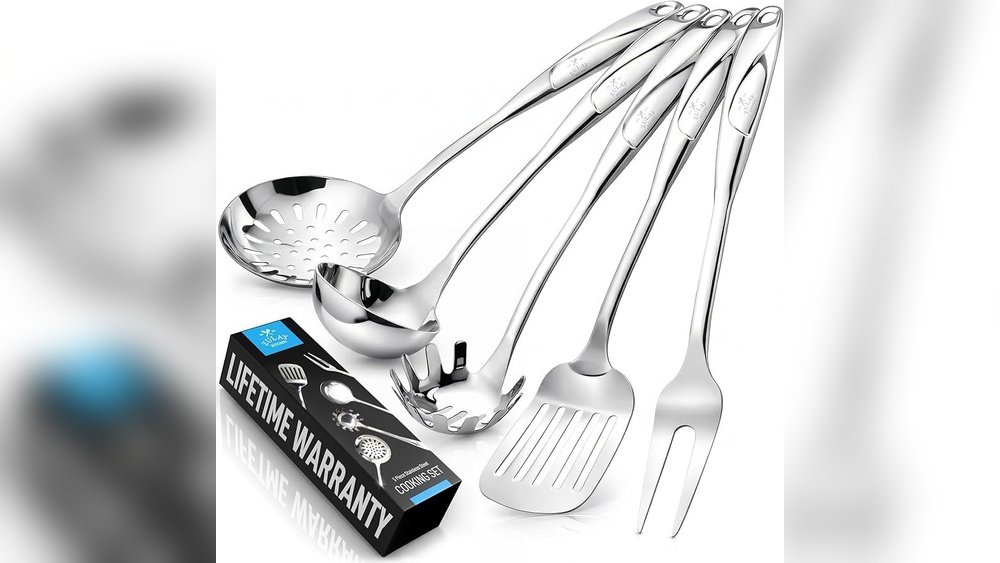
Stainless steel kitchen utensils are popular in homes and restaurants around the world. They are strong, look shiny, and last many years if cared for properly. But even though they are called “stainless,” these utensils can get stained, spotted, or lose their shine if not cleaned the right way.
Many people struggle with water spots, fingerprints, burned stains, or discoloration on their favorite cooking tools. If you have ever wondered why your stainless steel spoons look dull, or your spatula has strange marks, you are not alone.
Knowing how to clean stainless steel kitchen utensils is a practical skill that saves money and keeps your kitchen looking modern and bright. In this guide, you will learn every step you need, from daily cleaning to removing tough stains and restoring lost shine.
Whether you cook every day or just once in a while, you will find useful tips here. You will also learn about common mistakes people make, and how to avoid them so your utensils stay beautiful for years.
Why Stainless Steel Needs Special Care
Stainless steel is not just regular metal. It is made from iron, chromium, and sometimes other elements like nickel. The chromium forms a thin, invisible layer on the surface that protects the metal from rust and stains. But this layer can be damaged by harsh chemicals, salty water, or even rough scrubbing.
When the protective layer is scratched or broken, the utensil can rust, get water spots, or develop a dull look. That is why cleaning stainless steel the right way matters so much. Understanding this helps you care for your utensils better and avoid mistakes that shorten their life.
Basic Cleaning For Everyday Use
Most of the time, cleaning stainless steel kitchen utensils is easy. You do not need expensive products or complicated steps. Here is how to keep your utensils clean after each use.
1. Wash Soon After Use
Do not let food dry or stick to your utensils. Rinse and wash them soon after cooking or eating. This prevents stains and makes cleaning easier.
2. Use Warm Water And Mild Soap
Fill your sink with warm water and add a few drops of mild dish soap. Avoid strong cleaners with bleach or ammonia, as these can damage stainless steel.
3. Choose A Soft Sponge Or Cloth
Use a soft sponge, microfiber cloth, or even your hands. Never use steel wool or scouring pads, which can scratch the surface.
4. Rinse Thoroughly
Rinse off all soap under running water. Leftover soap can leave marks or spots when the utensil dries.
5. Dry Immediately
Wipe utensils dry with a clean towel. Air-drying can cause water spots, especially if your water has minerals.
These simple steps are enough for most daily cleaning. But sometimes, stains or residue need a deeper clean.

Credit: www.diybeautify.com
Dealing With Common Stainless Steel Stains
Even with the best habits, you may notice stains or marks on your utensils. Here are the most common types and how to remove them.
Water Spots
Water spots look like white or gray circles left behind after the utensil dries.
- Why it happens: Minerals in tap water are left when water dries.
- How to remove: Wipe with a cloth dampened with vinegar, then rinse and dry.
Rainbow Discoloration
Sometimes you see blue, purple, or yellowish stains. This is called “heat tint” or rainbow discoloration.
- Why it happens: Overheating, especially on cookware, can change the metal’s surface.
- How to remove: Use a mixture of vinegar and water (1:1 ratio). Wipe gently, rinse, and dry.
Fingerprints And Smudges
Fingerprints are common, especially on spoons and serving utensils.
- How to remove: Wipe with a damp microfiber cloth. For stubborn marks, use a small amount of glass cleaner or rubbing alcohol.
Food And Grease Residue
Sticky or oily spots often stay after cooking.
- How to remove: Soak the utensil in warm, soapy water for 10–15 minutes. Use a soft brush if needed.
Rust Spots
Rust is rare but can happen if the protective layer is damaged or utensils are left wet.
- How to remove: Make a paste with baking soda and water. Rub gently with a soft cloth. Rinse and dry.
Deep Cleaning Methods For Stainless Steel Utensils
Sometimes, your utensils need more than a quick wash. Here are ways to deep clean when you see stubborn stains, discoloration, or buildup.
Baking Soda Scrub
Baking soda is safe, gentle, and effective for most stains.
- Sprinkle baking soda over the wet utensil.
- Rub gently with a damp cloth or soft sponge.
- Rinse well and dry.
Baking soda also removes odors, which is helpful for garlic or onion residue.
Vinegar Solution
White vinegar breaks down mineral deposits and shines up dull steel.
- Mix equal parts white vinegar and water.
- Soak the utensil for 10–20 minutes.
- Rinse with clean water and dry.
Vinegar is safe for most stainless steel, but avoid soaking utensils with glued handles or non-stainless parts.
Lemon And Salt
For tough spots or light rust, try lemon and salt.
- Cut a lemon in half and dip the cut side in salt.
- Rub over the stained area.
- Rinse and dry.
Lemon is natural and leaves a fresh scent.
Commercial Stainless Steel Cleaners
If home remedies do not work, use a cleaner made for stainless steel. Follow the label directions and rinse well. Some products also protect the surface and make future cleaning easier.
Tip: Always test cleaners on a small area first.
Removing Burnt-on Stains
Burned food or scorched marks are common on serving spoons, spatulas, and ladles. Here is how to remove them safely.
1. Soak In Soapy Water
Fill a pot or sink with hot, soapy water. Soak the utensil for at least 30 minutes.
2. Use Baking Soda Paste
Mix baking soda with a little water to form a paste. Apply to the burnt area.
3. Rub Gently
Use a soft brush or non-scratch sponge. Avoid metal scrubbers.
4. Try Vinegar For Stubborn Marks
If stains remain, heat some vinegar and pour over the area. Let sit, then scrub gently.
5. Rinse And Dry
Wash off all residue and dry completely.
Insight: Patience is important. Rushing or using hard tools can damage your utensil’s surface.
How To Polish And Restore Shine
Over time, stainless steel can lose its mirror shine. Polishing brings back the bright look and helps the protective layer stay strong.
Homemade Polishing Paste
You can make a simple polish with ingredients at home.
- Ingredients: 1 tablespoon baking soda, 1 teaspoon water, a few drops of olive oil.
- Method:
- Mix baking soda and water to form a paste.
- Rub gently along the grain of the steel.
- Rinse and dry.
- Add a drop of olive oil to a soft cloth and buff the utensil for extra shine.
Commercial Polish
Products like stainless steel wipes or sprays are sold in supermarkets. These can make polishing easier. Always follow the instructions and rinse if needed.
Non-obvious tip: Always polish in the same direction as the grain lines on your utensil. Going against the grain can cause tiny scratches and dullness.
Caring For Stainless Steel Utensils With Wooden Or Plastic Handles
Many kitchen utensils have handles made from wood or plastic. These need special care so both the handle and the steel last longer.
- Avoid Soaking: Do not leave these utensils in water for long. Water can crack wood or loosen glued handles.
- Hand Wash Only: Dishwashers can damage handles, so always wash by hand.
- Dry Fast: Wipe the handle and blade dry right after washing.
- Oil Wooden Handles: Every few months, rub a little food-safe mineral oil into wooden handles to prevent drying and cracking.
Common mistake: Many people put these utensils in the dishwasher. Over time, this weakens the handle and shortens utensil life.
Can You Put Stainless Steel Utensils In The Dishwasher?
Dishwashers are convenient, but not always the best for stainless steel utensils.
Pros
- Saves time and effort
- Sanitizes well
- Good for basic spoons, forks, and knives
Cons
- Water spots are common
- Harsh detergents can dull or pit the metal
- Can cause rust if utensils rub against other metals
- Plastic or wooden handles can crack
Expert advice: If you use a dishwasher, remove utensils as soon as the cycle ends and dry them with a towel. Do not let them sit in a damp, closed dishwasher.
How To Store Stainless Steel Utensils Properly
Proper storage is part of cleaning. It keeps utensils looking new and prevents rust or stains.
- Dry Completely Before Storing: Even a little water can cause spots or rust.
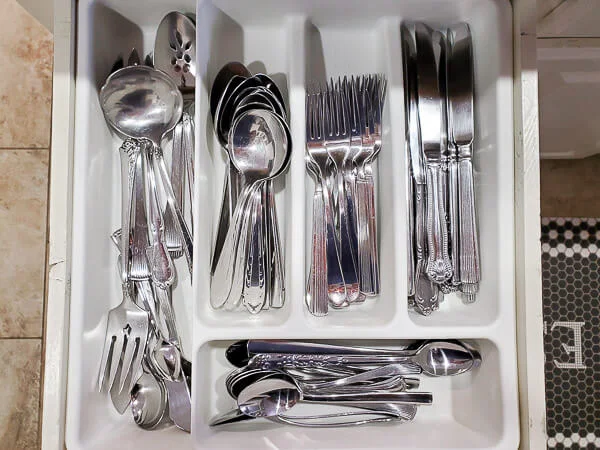
- Use a Drawer Organizer: Prevents utensils from banging into each other, which can scratch them.
- Hang Large Utensils: Spoons, spatulas, and ladles with hanging holes can be stored on hooks.
- Avoid Storing Near Iron or Aluminum: These metals can react with stainless steel and cause marks.
Extra tip: Add a small packet of silica gel (the kind found in shoe boxes) in your utensil drawer. It absorbs moisture and helps prevent rust.
Common Mistakes To Avoid When Cleaning Stainless Steel
Many people damage their utensils without realizing it. Here are mistakes to watch for:
1. Using Steel Wool Or Metal Scrubbers
These cause scratches that trap dirt and ruin the shiny finish.
2. Leaving Utensils Wet
Standing water leads to rust and water spots.
3. Using Bleach Or Harsh Chemicals
Bleach destroys the protective layer and can cause pitting.
4. Soaking Wooden-handled Utensils
This can loosen handles and cause cracks.
5. Stacking Utensils While Wet
Stacking traps moisture and can cause discoloration.
6. Ignoring The Grain
Always clean and polish along the grain lines, not in circles.
Credit: www.diybeautify.com
Comparing Stainless Steel To Other Kitchen Utensil Materials
It helps to understand how stainless steel compares to other common materials. This can explain why it needs special care.
| Material | Strength | Cleaning Ease | Durability | Stain Resistance |
|---|---|---|---|---|
| Stainless Steel | High | Easy | Very High | Excellent |
| Plastic | Low | Very Easy | Low | Good |
| Wood | Medium | Moderate | Medium | Poor |
| Aluminum | Medium | Easy | Low | Average |
As you can see, stainless steel has many advantages, but only if you care for it correctly.
Signs Your Stainless Steel Utensil Needs Extra Attention
Not all utensils need the same cleaning every time. Watch for these signs that your utensil needs more care:
- Loss of shine or mirror finish
- White or gray spots after drying
- Rainbow colors after high heat
- Sticky or greasy feel, even after washing
- Small rust dots or streaks
If you notice any of these, use a deep cleaning or polishing method.
How Often Should You Deep Clean?
How often you deep clean depends on how much you use your utensils and the type of food you cook. Here is a simple guide.
| Usage | Recommended Deep Cleaning |
|---|---|
| Daily Cooking | Every 1–2 weeks |
| Occasional Use | Once a month |
| Heavy Starch/Fat Cooking | Weekly |
| Rare Use | Every 2–3 months |
If your water is “hard” (lots of minerals), you may need to clean more often.
How To Remove Odors From Stainless Steel Utensils
Some foods, like garlic, onion, or fish, can leave a smell on your utensils. Here is how to get rid of them.
- Wash with Baking Soda: Sprinkle baking soda on the utensil, rub with a wet sponge, then rinse.
- Use Lemon Juice: Rub with a slice of lemon, leave for a few minutes, then rinse.
- Try Vinegar: Soak in vinegar for 10 minutes, then rinse and dry.
Hidden tip: Rubbing your utensil under cold running water while holding a stainless steel spoon can also remove hand odors due to a chemical reaction.
Eco-friendly Cleaning Tips
If you want to clean your utensils with less impact on the environment:
- Use baking soda and vinegar instead of chemical cleaners.
- Choose microfiber cloths instead of disposable wipes.
- Avoid single-use plastic sponges.
- Use lemon peels as a natural scrubber.
- Save water by soaking utensils in a basin instead of under running water.
Eco-friendly cleaning is safe for your utensils and your health.
What To Do With Old Or Damaged Stainless Steel Utensils
Even with care, some utensils eventually wear out or get damaged. Here are practical ideas:
- Recycle: Stainless steel is 100% recyclable. Check with your local recycling center.
- Repurpose: Old spoons can become garden markers, or spatulas can be used for crafts.
- Donate: If still usable, give them to a charity or community kitchen.
- Dispose Safely: Wrap sharp or broken pieces before throwing away to protect waste workers.
Key fact: Recycling stainless steel saves up to 75% of the energy needed to make new steel.
Quick Reference: Cleaning Stainless Steel Utensils Step-by-step
For easy reference, here’s a summary you can follow every time.
- Rinse utensils right after use.
- Wash with warm water and mild soap.
- Use a soft sponge or cloth.
- Rinse and dry completely.
- For stains: Use vinegar, baking soda, or lemon.
- Polish if needed.
- Store dry, away from other metals.
Keep these steps in mind and your stainless steel utensils will stay looking new much longer.
When To Replace Stainless Steel Utensils
Stainless steel lasts a long time, but sometimes replacement is best. Replace your utensil if:
- The handle is loose or broken
- There are deep scratches or pits that collect dirt
- Rust cannot be removed, or keeps returning
- The utensil is bent or unsafe to use
Using damaged utensils can affect food safety and cooking results.

Credit: www.amazon.com
Real-world Examples
Let’s look at two common cases:
Case 1: You used a slotted spoon to stir tomato sauce. After washing, you notice yellowish stains.
*Solution:* Clean with vinegar and water. If the stain remains, use a baking soda paste.
Case 2: Your spatula was left in the sink overnight. In the morning, there are small rust spots.
*Solution:* Make a paste with baking soda and water. Rub gently, rinse, and dry. Prevent by drying immediately after washing next time.
Learning from these examples helps you solve problems quickly.
Latest Research: Is Stainless Steel Really “stainless”?
Research shows that stainless steel is resistant to stains, but not completely immune. According to the Wikipedia page on stainless steel, the chromium layer protects the metal, but can be damaged by harsh chemicals or saltwater. This explains why gentle cleaning is important.
Frequently Asked Questions
How Do I Remove Tea Or Coffee Stains From Stainless Steel Utensils?
Mix baking soda and water to form a paste. Apply to the stain, rub gently with a soft sponge, then rinse and dry. For stubborn stains, soak in vinegar and water for 20 minutes.
Is It Safe To Use Vinegar On All Stainless Steel Utensils?
Yes, vinegar is safe for most stainless steel. However, avoid soaking utensils with non-stainless parts, like wood or glued handles, as vinegar can weaken glue or damage wood.
Can I Use Stainless Steel Utensils On Nonstick Cookware?
Yes, but be careful. Stainless steel is hard and can scratch nonstick surfaces. Use with care or choose silicone-coated utensils for nonstick pans.
What Should I Do If My Utensils Develop A Metallic Taste?
This can happen if the protective layer is damaged or the utensil is not rinsed properly. Clean with baking soda and rinse well. If the taste remains, consider replacing the utensil.
Are There Any Foods That Stain Stainless Steel More Easily?
Yes. Acidic foods like tomato, vinegar, and citrus can sometimes cause stains, especially if left on the utensil for long. Wash and dry utensils soon after contact with these foods.
Keeping your stainless steel kitchen utensils clean is not difficult if you use the right methods and avoid common mistakes. Daily care, prompt washing, and occasional deep cleaning will keep your utensils shiny, hygienic, and looking almost new for years.
With these practical tips and a little extra attention, you can enjoy the beauty and strength of stainless steel in your kitchen every day.