
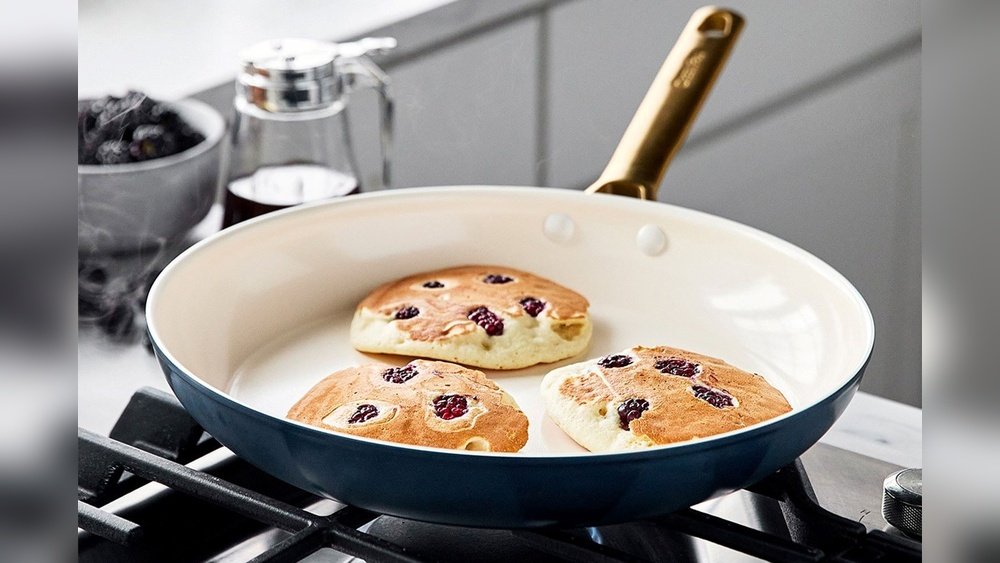
Cooking with ceramic pans has become popular in many kitchens around the world. If you want a healthier way to prepare meals, or just a nonstick pan that lasts longer, ceramic cookware is a smart choice. But to get the most out of these pans, you need to know how to use and care for them. Many people buy a ceramic pan because it looks great and promises an easy clean-up, but they quickly run into problems—food sticks, the surface scratches, or the coating wears out. This article will help you cook with ceramic pans successfully, avoid common mistakes, and keep your pan working well for years.
What Are Ceramic Pans?
Ceramic pans are usually made from metal (like aluminum or stainless steel) and coated with a layer of ceramic-based nonstick material. This coating is made from natural minerals and is free of chemicals like PTFE (Teflon) and PFOA, which some people want to avoid for health reasons. The coating gives the pan a smooth, nonstick surface that makes cooking and cleaning easy.
Ceramic pans are different from traditional ceramic cookware, which is made entirely from clay and fired at high temperatures. Most pans you see called “ceramic” in stores are actually metal with a ceramic coating.
Key Benefits Of Ceramic Pans
- Nonstick surface: Food releases easily, so you can cook with less oil.
- Chemical-free: No PTFE, PFOA, or heavy metals.
- Easy to clean: Wipes clean with minimal effort.
- Even heating: Most ceramic pans distribute heat well.
- Attractive design: Often come in bright colors and modern shapes.
Choosing The Right Ceramic Pan
Not all ceramic pans are the same. Some are better for certain cooking styles or foods. Here’s what matters when you buy one:
Material And Base
The base (core) of the pan affects how it cooks. Aluminum is light and heats up fast. Stainless steel is heavier and can last longer. Some pans combine both for better performance.
Thickness
Thicker pans heat more evenly and are less likely to warp. But they can be heavier. For everyday cooking, a medium-thick base is usually best.
Handle Design
Look for a comfortable handle that stays cool. Some ceramic pans have silicone or rubber grips. Make sure the handle is attached firmly—loose handles are dangerous.
Oven-safe And Induction Compatibility
Check if the pan can go in the oven. Some ceramic pans can handle up to 450°F (230°C). If you have an induction stove, look for pans labeled “induction-compatible. ”
Price Vs. Quality
Higher price doesn’t always mean better quality, but very cheap ceramic pans often wear out fast. Read reviews and check for a good warranty.
Comparing Ceramic Pan Features
Here’s a quick comparison of typical ceramic pan features:
| Feature | Basic Ceramic Pan | Premium Ceramic Pan |
|---|---|---|
| Base Material | Aluminum | Aluminum/Stainless Steel Combo |
| Oven-Safe Temp | 350°F (175°C) | 450°F (230°C) or more |
| Induction Compatible | No | Yes |
| Warranty | 1 year | 2–5 years |
Seasoning Your Ceramic Pan
Many people don’t know that seasoning a new ceramic pan helps improve its nonstick ability and extends its life. Here’s how to do it:
- Wash the pan with warm, soapy water and dry it completely.
- Rub a thin layer of cooking oil (vegetable or canola works well) over the inside surface.
- Heat the pan on low for 2–3 minutes.
- Let it cool and then wipe away any extra oil with a paper towel.
Repeat this process every few months or if food starts to stick. Some ceramic pans don’t need seasoning (check the manufacturer’s instructions), but it never hurts to give your pan a head start.
Cooking With Ceramic Pans: Step-by-step
To get the best results, follow these steps whenever you cook with a ceramic pan.
1. Use Low To Medium Heat
Ceramic pans heat up quickly and hold heat well. High heat can damage the coating. Always start with low to medium heat. If you need higher heat (like for searing meat), preheat the pan slowly and never use full power.
2. Add A Little Oil Or Fat
Even though ceramic pans are nonstick, using a small amount of oil or butter helps food brown and keeps the coating in good condition. Avoid nonstick spray, as it can leave a sticky residue.
3. Preheat The Pan
Give your pan a minute or two to warm up before adding food. This helps prevent sticking and ensures even cooking.
4. Use The Right Utensils
Metal utensils can scratch the ceramic coating. Use wooden, silicone, or plastic utensils. Scratches can ruin the nonstick surface and make food stick.
5. Avoid Overcrowding
Leave space between pieces of food. If the pan is too full, food will steam instead of brown, and the coating can break down faster.
6. Cook Gently
Ceramic pans are best for eggs, pancakes, vegetables, fish, and delicate foods. For high-heat cooking (like stir-frying or deep frying), use a different pan to protect the coating.
7. Let The Pan Cool Before Washing
Sudden temperature changes can crack the ceramic coating. Let the pan cool for a few minutes before you wash it.
Cleaning And Caring For Ceramic Pans
Proper cleaning keeps your ceramic pan in great shape. Here’s what you should do:
Hand Washing
Wash the pan with warm, soapy water and a soft sponge or cloth. Avoid abrasive pads or steel wool, which can scratch the coating.
Removing Stuck-on Food
For stubborn bits, soak the pan in warm water for 15–20 minutes, then gently scrub. If needed, use a little baking soda on a soft sponge.
Dishwasher Use
Most ceramic pans say “dishwasher safe,” but frequent dishwashing can wear out the coating. Hand washing is best if you want your pan to last.
Drying And Storage
Dry your pan fully before putting it away. Stack pans with a soft towel or pan protector between them to avoid scratches.
Dealing With Discoloration
Over time, your ceramic pan may develop stains or lose its bright color. Make a paste of baking soda and water, rub gently, and rinse well. Don’t use bleach or harsh chemicals.
Cleaning Comparison
Here’s a simple look at cleaning different pan types:
| Pan Type | Dishwasher Safe | Recommended Cleaning | Durability (with good care) |
|---|---|---|---|
| Ceramic | Yes, but not ideal | Hand wash, soft sponge | 2–5 years |
| Teflon Nonstick | Yes | Hand/dishwasher, avoid high heat | 1–3 years |
| Stainless Steel | Yes | Hand/dishwasher, scrubbing OK | 10+ years |
| Cast Iron | No | Hand wash, avoid soap | 50+ years |
Common Mistakes When Using Ceramic Pans
Even experienced cooks make mistakes with ceramic pans. Avoid these errors to keep your pan working well:
- Using high heat too often: This breaks down the nonstick surface.
- Cooking sprays: These leave a sticky residue that is hard to remove.
- Metal utensils: Scratches ruin the coating and cause sticking.
- Cutting food in the pan: Knives can damage the surface quickly.
- Stacking pans without protection: This causes chips and scratches.
- Washing while hot: Sudden changes can crack the coating.
- Not seasoning: Food may start to stick if you skip this step.
- Dishwasher overuse: The detergent and heat can wear away the coating.
- Using harsh cleaners: Bleach and strong chemicals can dull or damage the surface.
What Can You Cook In A Ceramic Pan?
Ceramic pans are great for many everyday foods. Here are some ideas:
Eggs And Breakfast Foods
Scrambled eggs, omelets, pancakes, and French toast are easy to cook with little oil. The nonstick surface helps these foods slide out with no mess.
Sautéed Vegetables
Ceramic pans cook vegetables evenly. Try bell peppers, onions, mushrooms, or zucchini. Use a bit of olive oil and don’t overcrowd the pan.
Fish And Chicken
Delicate fish fillets and thin chicken breasts cook well because the pan’s surface is gentle and prevents sticking.
Stir-fries (with Care)
Light stir-fries are fine, but avoid very high heat or large amounts of oil.
Grilled Sandwiches
Make grilled cheese or quesadillas with even browning and easy clean-up.
Sauces And Simmering
Ceramic pans are safe for tomato-based sauces, as the coating doesn’t react with acids.
Foods To Avoid In Ceramic Pans
Some dishes are not ideal for ceramic pans:
- High-heat searing (steaks, blackened fish): Use cast iron or stainless steel instead.
- Deep frying: High temperatures can damage the coating.
- Sugar work (caramel, toffee): Sticky sugar can bond to the surface and is hard to clean.
- Hard food cutting: Avoid using knives or pizza cutters in the pan.

Credit: madeincookware.com
Cooking Tips For Better Results
To get more from your ceramic pan, try these tips:
1. Preheat With Oil
Adding oil before the pan is hot helps the oil spread evenly and improves nonstick performance.
2. Don’t Leave Empty On Heat
An empty ceramic pan can overheat quickly and damage the coating. Always add oil or food soon after turning on the stove.
3. Use Low And Slow For Best Flavor
Ceramic pans are perfect for gentle cooking. For best taste and texture, cook at a slightly lower temperature than you would with other pans.
4. Rotate The Pan
For even browning, rotate the pan a few times during cooking, especially on gas stoves where heat is uneven.
5. Pay Attention To Pan Size
Match the pan size to the burner. Too small or too large can cause hot spots and uneven cooking.
Storing Your Ceramic Pans
Proper storage is important to keep your pans working well.
- Stack pans carefully: Put a soft cloth, paper towel, or pan protector between pans to prevent scratches.
- Hang pans if possible: Hanging by the handle saves space and avoids surface contact.
- Avoid heavy stacking: Don’t put heavy pots on top of ceramic pans.
How Long Do Ceramic Pans Last?
With good care, most ceramic pans last 2 to 5 years. Cheaper pans may wear out faster, while premium brands with thicker coatings last longer. When the nonstick surface is badly scratched, chipped, or food starts sticking often, it’s time to replace the pan.
Are Ceramic Pans Safe?
One of the biggest reasons people switch to ceramic pans is safety. The ceramic coating does not contain PTFE (Teflon), PFOA, or lead. This means you don’t need to worry about chemicals being released into your food, even at high temperatures.
However, no pan is 100% risk-free. Overheating any nonstick pan (including ceramic) can release fumes or cause the coating to break down. Always cook at the recommended temperatures and replace damaged pans.
For more information about nonstick cookware safety, check this Wikipedia article on cookware and bakeware.

Credit: madeincookware.com
Comparing Ceramic Pans To Other Cookware
Ceramic pans are just one choice for your kitchen. Here’s a quick look at how they compare to other popular types:
| Type | Nonstick | Oven Safe | Care Level | Best For |
|---|---|---|---|---|
| Ceramic | Yes | Up to 450°F | Medium | Eggs, veggies, fish |
| Teflon Nonstick | Yes | Up to 400°F | High | Eggs, pancakes |
| Cast Iron | With seasoning | Very high | High | Steaks, frying |
| Stainless Steel | No | Very high | Low | All-purpose |
Non-obvious Insights For Cooking With Ceramic Pans
1. Restoring Nonstick Performance
If your ceramic pan starts sticking, try this before buying a new one: Clean it well, then season it again with oil as described above. Sometimes, a thin layer of residue is the problem—not the pan itself.
2. Letting Food Release Naturally
When cooking eggs, pancakes, or fish, don’t force the food to move. Wait until it naturally releases from the pan before flipping. If it’s sticking, it may need more time or the heat may be too high.
3. Avoiding Sudden Temperature Changes
Moving a hot ceramic pan straight to cold water can cause the coating to crack (thermal shock). Let the pan cool for a few minutes first.
4. Know When To Retire The Pan
A pan with black or gray scratches, or flaking coating, is no longer safe or nonstick. It’s better to replace it than risk pieces of coating in your food.
5. Use The Right Cleaning Tools
A soft nylon brush is a great investment for ceramic pans. It removes food bits without scratching and is easier to handle than a sponge.
:max_bytes(150000):strip_icc()/ses-primary-ceramic-cookware-sets-rkilgore-1050-07c2b1d2c93e4dff9d24ae2d49117f4d.jpeg)
Credit: www.thespruceeats.com
Frequently Asked Questions
What Type Of Oil Is Best For Ceramic Pans?
The best oils for ceramic pans are vegetable, canola, or light olive oil. These oils have a high smoke point and don’t leave a sticky residue. Avoid butter at very high heat and stay away from nonstick sprays, which can build up on the surface.
Can I Use Ceramic Pans On Induction Cooktops?
Not all ceramic pans work on induction cooktops. Check if the pan is labeled “induction compatible.” It must have a magnetic base (usually stainless steel). Many ceramic pans are not, but some premium brands are designed for induction.
Why Is My Ceramic Pan Sticking Even Though It’s Nonstick?
If food is sticking, it might be because the pan is overheated, not seasoned, or has residue on the surface. Try cleaning and re-seasoning the pan. Also, use low to medium heat and a small amount of oil each time.
Can I Put My Ceramic Pan In The Oven?
Many ceramic pans are oven-safe, but always check the manufacturer’s instructions. Most can handle 350°F to 450°F. Be careful with pans that have plastic or rubber handles—these may not be oven-safe.
How Do I Know When To Replace My Ceramic Pan?
Replace your ceramic pan when the nonstick coating is scratched, peeling, or food sticks even after cleaning and seasoning. If you see chips or the surface is worn away, it’s time for a new pan to keep cooking safe and easy.
Cooking with ceramic pans can be a rewarding experience. With the right care, you’ll enjoy easy clean-up, beautiful meals, and a healthier way to cook. Remember to use gentle heat, the right utensils, and simple cleaning habits. Your ceramic pan will thank you—and so will anyone you cook for.