
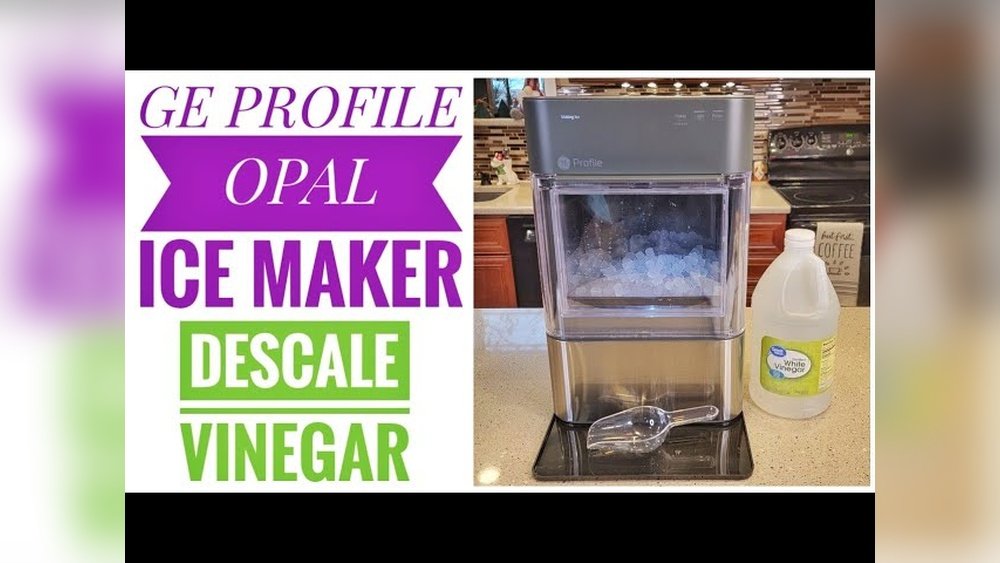
Keeping your Opal ice maker clean isn’t just about looks—it’s essential for making ice that’s clear, fresh, and safe. Over time, minerals and residue can build up inside the machine. If left alone, this can lead to cloudy ice, strange tastes, or even machine problems. Many people worry that cleaning an ice maker is complex or expensive, but it’s much simpler than you think. In fact, you can use something you probably already have at home: vinegar.
Vinegar is a trusted cleaning solution for many kitchen appliances. It’s natural, strong enough to break down mineral deposits, and safe when used correctly. For Opal ice makers, vinegar does an excellent job of removing scale, bacteria, and odors. But you need to follow the right steps to get the best results.
In this guide, you’ll learn exactly how to clean your Opal ice maker with vinegar—from the tools you’ll need to detailed instructions, safety tips, and even common mistakes to avoid.
This article is designed for everyone—whether you’re a first-time Opal owner or you’ve had your ice maker for years. Let’s break down the process and make your next batch of ice the cleanest you’ve ever tasted.
Why Cleaning Your Opal Ice Maker Matters
An Opal ice maker is a smart investment for anyone who loves nugget ice at home. But like any appliance, it works best when it’s well maintained. Regular cleaning isn’t just about hygiene—it directly affects performance.
Mineral buildup is one of the main issues. Tap water contains minerals like calcium and magnesium. Over time, these collect inside your ice maker, making it harder to freeze water and creating cloudy or misshapen ice. Bacteria and mold can also develop in moist environments, especially if the ice maker sits unused for days.
A dirty Opal ice maker can lead to:
- Slower ice production
- Bad-tasting or smelly ice
- Cloudy or discolored ice
- Machine malfunctions or breakdowns
- Voided warranty if not properly maintained
By cleaning with vinegar every few weeks, you can avoid these problems and keep your machine running smoothly.
Understanding The Cleaning Power Of Vinegar
Vinegar is a popular cleaning solution for good reason. It’s acidic, which means it can break down mineral deposits like limescale and calcium that collect inside appliances. It also kills many types of bacteria and removes bad odors.
For Opal ice makers, regular use of vinegar helps:
- Dissolve scale and hard water residue
- Eliminate musty or sour smells
- Reduce bacteria and mold growth
- Prolong the lifespan of your machine
White distilled vinegar is the best choice. It’s affordable, easy to find, and leaves no harmful residue. Apple cider vinegar can work, but it’s more expensive and may leave a slight scent.
Important note: Never use cleaning products with harsh chemicals, bleach, or abrasive powders. These can damage the Opal’s internal parts or affect the taste of your ice.

Credit: www.youtube.com
What You’ll Need Before You Start
It’s best to gather your supplies before you start. Here’s a quick checklist:
- White distilled vinegar (at least 2 cups)
- Soft cloth or sponge
- Measuring cup
- Clean water (filtered is best)
- Mild dish soap (optional, for exterior cleaning)
- Small brush (like a toothbrush, for hard-to-reach spots)
- Towel or paper towels
- Container or bowl (to catch rinse water)
- Protective gloves (optional but recommended for sensitive skin)
Having everything ready makes the process smoother and prevents missed steps.
Preparing Your Opal Ice Maker For Cleaning
Before you start pouring vinegar into your ice maker, you need to get the machine ready. This helps avoid mess and ensures you clean all the right parts.
Turn Off And Unplug
Safety first: Turn off your Opal ice maker and unplug it from the wall. Never clean an appliance while it’s connected to power.
Remove Ice And Water
Take out all ice from the bin and discard it. If there’s any water left in the reservoir, drain it out. Many Opal models have a small drain plug at the back or bottom—open this and let the water flow into a bowl or the sink.
Take Apart Removable Parts
Opal ice makers usually have a few removable parts:
- Ice bin
- Water reservoir
- Drip tray
Take these out and set them aside. You’ll clean these separately for best results.
Wipe Down The Exterior
While the machine is empty, use a soft cloth and mild dish soap to wipe down the outside. This removes fingerprints, dust, and splashes. Never use harsh chemicals or abrasive pads—they can scratch or discolor the surface.
Step-by-step: How To Clean Your Opal Ice Maker With Vinegar
Cleaning your Opal ice maker is a process with several steps. Follow these in order for a deep, thorough clean.
1. Mix The Vinegar Solution
In a measuring cup, mix equal parts white vinegar and water. For most Opal machines, you’ll need about 2 cups of each. This 50/50 mix is strong enough to break down scale but gentle enough for the machine’s plastic and metal parts.
Pro tip: Warm (not hot) water helps dissolve residue faster.
2. Fill The Water Reservoir
Pour the vinegar solution into the water reservoir. Make sure you do not overfill—follow the fill line marked inside.
3. Run The Clean Cycle
Many Opal ice makers have a built-in cleaning mode. Check your user manual for instructions; if your machine has a “Clean” or “Sanitize” button, press it now. The machine will circulate the vinegar solution through all internal parts.
If your Opal doesn’t have a clean cycle, run the machine as if you were making ice. The vinegar will flow through and clean the inside.
4. Scrub Removable Parts
While the cleaning cycle runs, soak the ice bin, drip tray, and reservoir parts in the leftover vinegar solution. Use a soft brush or toothbrush to scrub away any visible residue or slime. Rinse with clean water when finished.
5. Discard Vinegar Solution
When the clean cycle finishes, drain the vinegar solution from the machine. Use the drain plug or tilt the machine gently over a sink (check your manual for guidance).
6. Rinse Thoroughly
This is a critical step many people miss. Fill the reservoir with clean water and run at least 2 full cycles (either clean or ice-making). This flushes out all traces of vinegar so your next batch of ice won’t taste sour.
Empty and rinse the ice bin and other parts with plain water.
7. Dry And Reassemble
Use a towel to dry the inside and outside of the machine, then put all parts back in place. Make sure everything is completely dry to prevent future mold or mildew.
8. First Batch Of Ice
After cleaning, discard the first batch of ice. This ice may still have some leftover vinegar taste or smell. The second batch should be clean and fresh.
Comparing Vinegar Cleaning To Other Methods
You might wonder how vinegar stacks up against other cleaning options. Here’s a quick side-by-side look:
| Cleaning Method | Effectiveness | Cost | Safety | Residue |
|---|---|---|---|---|
| Vinegar Solution | High for mineral deposits & odor | Low | Very safe | Minimal if rinsed well |
| Commercial Ice Maker Cleaner | Very high for scale | Medium to high | Safe when used as directed | Requires extra rinsing |
| Bleach | High for bacteria | Low | Can damage machine, leave taste | High risk if not rinsed |
| Lemon Juice | Moderate | Low to medium | Safe, but can be sticky | Low to medium |
Vinegar is the best all-around choice for routine cleaning. It’s safe, cheap, and effective. Commercial cleaners work well for heavy buildup but cost more. Bleach is not recommended for Opal ice makers due to risk of damage and taste problems.
How Often Should You Clean Your Opal Ice Maker?
Cleaning frequency depends on how often you use your ice maker and the quality of your water. As a general rule:
- Every 2-4 weeks for regular use
- Once a month if you use it only occasionally
- After long storage or if ice smells/tastes strange
If you have hard water (lots of minerals), clean more often. Signs you need to clean include slower ice production, cloudy ice, or odd smells.
Signs Your Opal Ice Maker Needs Cleaning
Don’t wait until your ice tastes bad to clean your machine. Watch for these signs:
- Cloudy or white ice: Usually means minerals are building up.
- Ice tastes or smells off: Indicates bacteria, mold, or residue.
- Slower ice making: Scale may be blocking water flow.
- Visible residue: White or brown spots inside the reservoir or bin.
- Machine is noisy: Blocked or dirty parts can make extra noise.
Cleaning with vinegar usually solves these issues quickly.
Common Mistakes To Avoid When Cleaning With Vinegar
Even with a simple process, there are a few mistakes that can reduce cleaning power or harm your machine.
Using Too Much Vinegar
More isn’t always better. Full-strength vinegar can leave a strong smell and may be tough to rinse. Always mix vinegar and water 50/50.
Skipping Rinsing
Leftover vinegar can make your ice taste sour. Always run at least two rinse cycles with clean water.
Forgetting Removable Parts
Ice bins, trays, and other parts need cleaning too. Soak and scrub these in vinegar solution to kill bacteria.
Using Abrasive Tools
Scrubbing with a metal brush or scouring pad can scratch plastic parts. Always use a soft cloth or old toothbrush.
Ignoring The Drain Plug
Some Opal machines have a small drain plug for cleaning. Forgetting to open it can leave dirty water inside.
Practical Tips For Best Results
Learning from experience helps avoid small issues. Here are a few practical tips:
- Use filtered water for both cleaning and ice making. This reduces mineral buildup.
- Clean on a sunny day so all parts dry quickly and completely.
- Set a reminder on your phone or calendar for regular cleaning.
- Keep a small bottle of vinegar near your ice maker to make cleaning easy.
- If you notice pink or orange slime, clean immediately—this is usually bacteria or mold.
What To Do If Vinegar Doesn’t Solve The Problem
Sometimes, even after a vinegar cleaning, your ice maker may still have issues.
- If ice is still cloudy, you may have very hard water. Try using distilled water for ice making.
- If the machine smells bad, repeat the vinegar clean and rinse again.
- For stubborn scale, a commercial ice maker cleaner (approved for Opal) can help.
- If the machine leaks or won’t run, check for loose parts or clogged drain lines.
Always check your Opal’s user manual or contact customer support for advice on tough problems.
How Vinegar Cleaning Affects Machine Longevity
Regular cleaning with vinegar doesn’t just keep your ice clear—it can extend the life of your Opal ice maker. Here’s why:
- Reduces mineral buildup: Less strain on pumps and freezing elements.
- Prevents bacteria growth: Keeps all parts safe and sanitary.
- Protects seals and gaskets: No harsh chemicals means less wear.
- Avoids costly repairs: Machines with regular cleaning break down less.
Most Opal ice makers are designed to last 4-7 years with proper care. Skipping cleaning can cut that in half.
Environmental Benefits Of Vinegar Cleaning
Vinegar is a green cleaner. Unlike many commercial products, it’s biodegradable and non-toxic. When you rinse it down the drain, it doesn’t harm plants or water systems. This makes it a smart choice for eco-conscious homes.
Troubleshooting: If Your Opal Ice Maker Still Doesn’t Work
If you’ve cleaned your Opal with vinegar and it still won’t produce ice, consider these steps:
- Check the power cord and outlet.
- Make sure all parts are reassembled correctly.
- Look for error lights or blinking indicators.
- Verify the water reservoir is filled to the right level.
- Contact Opal’s support or visit their official troubleshooting page at GE Appliances Support.
Sometimes, stubborn problems need a technician. But regular cleaning solves most common issues.
Sample Cleaning Schedule For Busy Homes
If you find it hard to remember when to clean, here’s a sample schedule:
| Usage Level | Cleaning Frequency | Special Notes |
|---|---|---|
| Daily Use | Every 2 weeks | Check bin for slime weekly |
| Weekly Use | Every month | Use filtered water if possible |
| Occasional Use | After each use | Clean before storing long-term |
Setting reminders or making a checklist helps keep your routine on track.
Why Opal Recommends Vinegar Over Other Cleaners
Opal’s own manuals and website often suggest vinegar for routine cleaning. The main reasons:
- It’s safe for all Opal materials (plastic, stainless steel, rubber)
- It’s easy to rinse away with no toxic residue
- It’s cheap and widely available
- It’s gentle enough for regular use but strong enough for minerals
Some commercial cleaners can void your warranty if not approved. Always check your manual before using anything new.

Credit: www.wikihow.com
Real-world Example: Cleaning Results
Let’s look at a real-world scenario. A family in Texas noticed their Opal ice was coming out cloudy and tasting slightly metallic. They cleaned with vinegar as described:
- Ran a full vinegar cycle, then two rinse cycles
- Scrubbed all removable parts and let them air dry
- Switched to filtered water for ice making
Result: The next day, their ice was clear, odor-free, and tasted fresh. Cleaning took less than an hour and solved the problem for months.
Essential Safety Reminders
While vinegar is safe, always:
- Unplug your machine before cleaning.
- Keep vinegar away from your eyes and cuts.
- Never mix vinegar with bleach—it creates toxic fumes.
- Store cleaning solutions safely away from kids and pets.

Credit: www.bibliotecaoscura.com
Frequently Asked Questions
How Much Vinegar Do I Use To Clean My Opal Ice Maker?
Use a 1:1 ratio of white distilled vinegar and water. For most Opal machines, 2 cups of each are enough. Always follow the fill line in your reservoir and never use undiluted vinegar.
Can I Use Apple Cider Vinegar Instead Of White Vinegar?
You can, but white vinegar is preferred. Apple cider vinegar can leave a slight scent and is more expensive. White vinegar is just as effective for removing minerals and odors.
Is It Safe To Clean My Opal Ice Maker With Vinegar Every Week?
Yes, vinegar is safe for weekly cleaning. If you use your ice maker heavily or have very hard water, cleaning more often helps prevent buildup. Always rinse thoroughly to avoid vinegar taste.
What If My Ice Still Tastes Bad After Cleaning?
If your ice tastes odd after cleaning, run 2-3 rinse cycles with clean water. Discard the first batch of ice. If the taste remains, check for other issues like dirty water or a need for a deeper clean with a commercial cleaner.
Does Cleaning With Vinegar Void My Opal Warranty?
No, cleaning with a vinegar solution is recommended by Opal and will not void your warranty. However, using harsh chemicals or abrasive tools can cause damage and may not be covered.
Keeping your Opal ice maker clean is simple, affordable, and highly effective with vinegar. By following these steps, you’ll enjoy better-tasting ice, a longer-lasting machine, and peace of mind. Take a few minutes every month to give your Opal the care it deserves—and enjoy perfect nugget ice every time.