
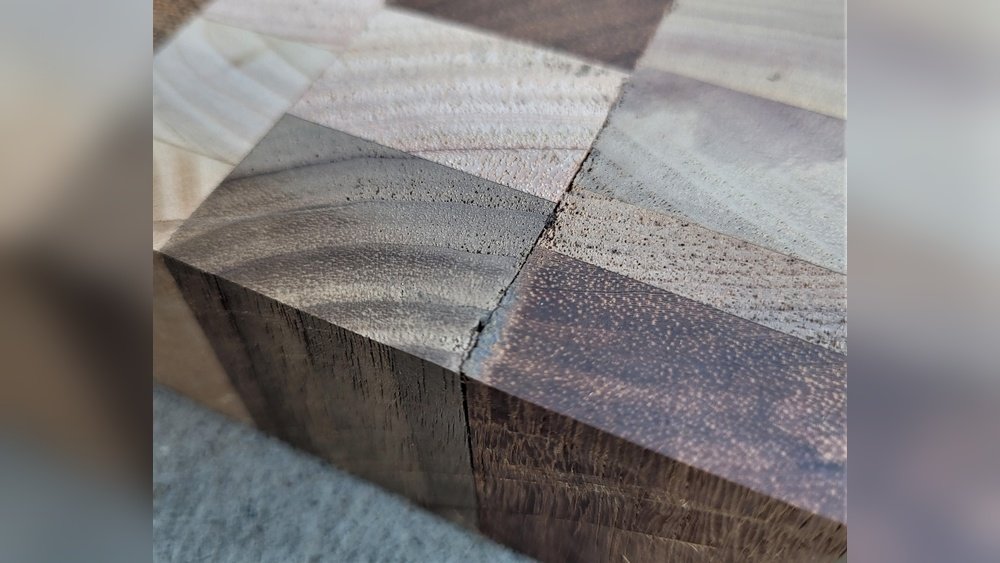
If you have a wooden cutting board, it’s more than just a kitchen tool—it’s a part of your daily routine. Over time, even the best boards can develop cracks, splits, or gaps. These gaps can be small at first, but they often get bigger with use, washing, and changes in temperature.
Gaps are not just about looks—they can trap food, collect bacteria, and make your board weaker. Fixing these gaps is important for both safety and the life of your board. Many people are unsure how to fill gaps in a cutting board, or they worry about using the wrong materials.
This guide will give you clear, step-by-step advice to restore your cutting board safely and effectively, even if you are not an experienced woodworker.
Why Do Cutting Boards Get Gaps?
Wood is a natural material. It expands and contracts with changes in temperature and humidity. When you wash your board or leave it in a dry kitchen, the wood fibers move. Over time, this movement can cause gaps between the pieces of wood or small cracks on the surface. Knives can also damage the board, making small splits larger. If you don’t fix these gaps, they can grow and become impossible to repair.
Is It Safe To Fill Gaps In Cutting Boards?
The answer is yes—if you use the right materials and methods. Some fillers are not food-safe and should never touch surfaces where you prepare food. Always choose food-safe glue and fillers. After repair, the board must be sealed and cleaned before use. Many people miss this detail and end up with boards that look nice but are not safe for food.
Tools And Materials You Will Need
Before you start, gather everything you need. Having the right tools and materials makes the job easier and gives better results.
- Food-safe wood glue (like Titebond III or Gorilla Wood Glue)
- Fine sawdust from a similar wood (like maple or walnut)
- Sandpaper (grits 100, 150, 220)
- Clamps (bar clamps or pipe clamps)
- Putty knife or a small spatula
- Clean, lint-free cloths
- Mineral oil or a food-safe cutting board finish
- Vacuum or brush (for cleaning dust)
- Rubber gloves (optional)
Extra materials you might need:
- Epoxy resin (food-safe, for large gaps)
- Wood filler (food-safe only)
- Painter’s tape (to protect the board’s surface)
Different Types Of Gaps And Cracks
Not all gaps are the same. Understanding the type of gap will help you pick the best repair method.
| Gap Type | Size | Best Repair Method |
|---|---|---|
| Hairline cracks | < 1 mm | Glue and sawdust mix |
| Small gaps | 1-3 mm | Glue and sawdust or wood filler |
| Large gaps | > 3 mm | Epoxy resin or wood patch |
| Edge splits | Along board edge | Re-glue and clamp |
Step-by-step: How To Fill Gaps In A Cutting Board
Let’s get straight to the process. Follow these steps closely for the best results. Each step is important—skipping one can lead to poor repairs.
1. Clean And Dry The Board
Before doing anything, clean the board well. Wash it with warm water and a little mild dish soap. Scrub away all food pieces, oils, and stains. Rinse and dry the board completely—this is critical. If the board is even a little wet, glue and fillers will not stick.
Tip: Let the board dry for at least 12 hours in a dry room. Do not use heat or direct sun, as this can make cracks worse.
2. Inspect And Mark The Gaps
Look carefully at your board. Mark all the gaps and cracks with a pencil. Use a ruler or measuring tape to check the width and length of each gap. This helps you decide which filler to use and if some cracks are too big for a simple fix.
Non-obvious insight: Some cracks run deeper than they look. Try pressing gently on the edges—if they move, the crack goes deep and needs extra care.
3. Prepare The Filler
For most home repairs, the safest filler is a mix of food-safe wood glue and sawdust from the same type of wood. Here is how to make it:
- Sand a piece of scrap wood (same species as your board) to collect fine sawdust.
- Mix sawdust with a small amount of wood glue. The mix should be thick, like peanut butter.
- Only make as much as you need—the mix dries fast.
If you have larger gaps, use food-safe epoxy resin. Follow the manufacturer’s instructions carefully. Do not use regular hardware store filler—it is not safe for food.
4. Fill The Gaps
Use a putty knife or a small spatula to press the filler deep into the cracks. Fill each gap slightly higher than the surface. The filler will shrink a little as it dries. For deep cracks, fill in layers, letting each layer dry before adding more.
Common mistake: Pushing the filler only on the surface. This leaves air inside the crack, and the repair will not last.
If you are using epoxy resin, pour carefully to avoid bubbles. Use a toothpick to help the resin sink into the crack.
5. Clamp And Wait
After filling, use clamps to hold the board tight. Clamping is especially important for cracks along the edge or between boards. Leave the clamps on for at least 4–8 hours, or as recommended for your glue or resin.
If you do not have clamps, you can use heavy weights (like books or cans), but clamps give a much stronger hold.
Non-obvious insight: Place a sheet of wax paper between the clamp and the board. This stops the filler from sticking to the clamp and makes cleanup easier.
6. Sand The Surface
Once the filler is fully dry, remove the clamps. Use sandpaper to smooth the repair area. Start with a medium grit (100–150) and finish with a fine grit (220). Always sand in the direction of the wood grain.
Check with your fingers—if you can feel the repair, keep sanding. Wipe away dust with a vacuum or damp cloth.
7. Finish And Seal
Now you must seal the board. Use food-grade mineral oil or a special cutting board finish. Apply with a clean cloth, rubbing oil into the wood. Let it soak in for a few hours, then wipe off extra oil.
A well-oiled board is less likely to crack again and is easier to clean.
8. Final Inspection
Check the repair. The filled gaps should be smooth and level. Run your hand over the board—if you feel rough spots or see new cracks, repeat the process. Only use the board for food when you are sure it is safe and smooth.
Comparing Common Fillers For Cutting Board Gaps
Choosing the right filler is important for safety and lasting results. Here’s a quick comparison:
| Filler Type | Food Safe? | Best For | Durability |
|---|---|---|---|
| Glue + Sawdust | Yes | Small cracks | High |
| Food-safe Epoxy | Yes | Large gaps | Very High |
| Standard Wood Filler | No | Not for food surfaces | Medium |
| Premade Patches | Yes (if untreated wood) | Very large gaps | High |

Credit: www.reddit.com
Special Cases: How To Fill Large Gaps Or Splits
Sometimes, the gap is too big for simple filler. For cracks wider than a few millimeters, you need a different approach.
Using A Wood Patch
If the gap is more than 5 mm, cut a small piece of matching wood (called a patch or dutchman). Trim it to fit the gap. Glue the patch in place with food-safe glue, clamp tightly, and let dry. Sand and finish as usual.
Tip: Use the same wood type for the patch. Different woods expand at different rates and may pop out.
Filling With Food-safe Epoxy
Modern food-safe epoxies can fill even very wide cracks. They dry clear or can be tinted with natural pigments to match your board.
- Mix the epoxy as directed.
- Pour into the crack, filling to the top.
- Remove bubbles with a heat gun or hair dryer.
- Let cure for 24–48 hours.
- Sand smooth and finish with oil.
Warning: Double-check that your epoxy is certified food safe. Some hardware store resins are not safe for kitchen use.
Preventing New Gaps In Your Cutting Board
Repairing is good, but preventing future gaps is better. Follow these tips to keep your board in top shape:
- Never soak your board in water. Wash with a damp cloth and mild soap.
- Dry your board upright after washing. Air circulation helps prevent moisture problems.
- Oil your board regularly—once a month is best. Use only food-grade mineral oil.
- Avoid the dishwasher. High heat and water will damage wood boards.
- Store in a stable environment. Avoid placing near ovens or windows.
- Use both sides of the board to reduce wear.
Non-obvious insight: If you live in a very dry or humid area, your board may move more. Consider using a thicker board or one made from end grain, which is more stable.

Credit: www.reddit.com
When To Replace Instead Of Repair
Not every board can be saved. If your board has many deep cracks, is warped, or smells bad even after cleaning, it may be time to buy a new one.
Warning signs:
- Multiple deep or long cracks
- Wood feels soft or spongy
- Board is warped or twisted
- Persistent odors or stains
A badly damaged board is dangerous for food prep. Sometimes, replacement is the safest choice.
Example: Repairing A Maple Cutting Board
Imagine you have a maple board with a 2 mm gap and a few hairline cracks. Here’s how you would repair it:
- Clean and dry the board overnight.
- Mark the cracks with a pencil.
- Sand a scrap of maple to make fine sawdust.
- Mix sawdust with Titebond III glue.
- Use a putty knife to press the mix into the cracks.
- Clamp the board for 8 hours.
- Sand smooth with 150 and 220 grit sandpaper.
- Wipe off the dust and oil the board with mineral oil.
Afterward, your board looks smooth and feels like new. The repair is strong and safe for food.

Credit: www.reddit.com
Is Filling Gaps Worth The Effort?
For most people, yes. Repairing a quality cutting board can give you years of extra use. Handmade or end-grain boards are often expensive and worth saving. Plus, repairing instead of replacing is better for the environment.
However, if your board is a cheap, thin board or already has a lot of damage, replacing may be easier.
Mistakes To Avoid When Filling Gaps
Even careful people sometimes make mistakes. These are the most common errors:
- Using non-food-safe glue or filler
- Not drying the board fully before repair
- Skipping the clamping step
- Filling only the surface, not deep into the crack
- Forgetting to finish with oil
These mistakes can make your repair fail or even create health risks.
How To Care For A Repaired Board
After repair, be gentle with your board for the first week. Avoid soaking or heavy chopping. Oil the board weekly for the first month. Check the repaired area often for new cracks or changes.
If you see new gaps, repair them early. Small problems are much easier to fix than big ones.
How Professional Woodworkers Fill Gaps
Professionals use similar steps but may have access to better tools, like vacuum chambers to remove air bubbles from epoxy or special clamps. They may also use wood patches with decorative shapes, sometimes called butterfly keys, to fix large cracks artistically.
But for most home repairs, the simple methods in this guide give excellent results.
Environmental Impact: Repair Or Replace?
Repairing a cutting board keeps wood out of landfills and saves resources. Many boards are made from hardwood, which grows slowly and is valuable. By filling gaps and caring for your board, you’re making a sustainable choice.
If you do need to dispose of a board, consider using it for other DIY projects—like garden markers or serving trays—instead of throwing it away.
Resources For Food-safe Repair Products
Finding the right products can be confusing. Here are some reputable options for food-safe glue and finish:
- Titebond III Ultimate Wood Glue (food safe when dry)
- Gorilla Wood Glue (check label for food safety)
- Odie’s Oil (food-safe finish)
- FDA-compliant food-safe epoxies (like Ecopoxy or TotalBoat TableTop Epoxy)
For more details, you can visit the Cutting Board Wikipedia page.
Frequently Asked Questions
How Long Does The Repair Last?
A good repair using food-safe glue or epoxy can last for years if the board is cared for properly. Regular oiling and gentle cleaning help the repair last longer.
Can I Use Superglue To Fill Gaps?
No. Most superglues are not food safe and can become brittle over time. Always use a glue labeled as food safe for kitchen repairs.
Is It Safe To Chop Meat On A Repaired Board?
Yes, if the repair was done with food-safe materials and the surface is smooth and sealed. Clean the board well after each use, especially after cutting raw meat.
What If The Gap Keeps Coming Back?
If a gap reopens, it may be a sign the board is moving too much. Try storing it in a more stable environment and oiling more often. For boards with persistent cracks, replacement may be needed.
Can I Fill Gaps In Plastic Cutting Boards?
No. Plastic boards that crack or gap cannot be repaired safely. It’s best to replace them, as bacteria can hide in the cracks.
Restoring your cutting board doesn’t have to be difficult or expensive. With the right materials and a little patience, you can fill gaps, extend the life of your board, and enjoy safe, beautiful meal prep for years to come.