
Choosing hardware for your kitchen cabinets might seem simple, but it’s actually a decision that affects the look, feel, and function of your entire kitchen. Many homeowners spend hours picking the right cabinet finish or countertop, only to rush the hardware choice. Yet, the handles, knobs, and pulls are things you touch every day. They need to look good, feel comfortable, and last for years. Choosing the wrong hardware can make opening a cabinet frustrating, or clash with your style—even if everything else is perfect.
This article will help you understand what really matters when picking hardware for kitchen cabinets. You’ll learn about styles, materials, finishes, comfort, quality, and even the small details most beginners miss. Whether you’re updating old cabinets or starting fresh, this guide will help you make choices you won’t regret.
Understanding Kitchen Cabinet Hardware
Before you choose, it’s important to know what hardware means in the context of kitchen cabinets. Cabinet hardware includes the items you use to open and close doors and drawers—mainly knobs, pulls, and handles. It also includes hinges, latches, and sometimes decorative backplates.
Types Of Cabinet Hardware
- Knobs: Small, usually round or square, and attach with a single screw. Used mostly for cabinet doors.
- Pulls (or Handles): Longer, attach with two screws, and are easier to grip. Used for drawers or large doors.
- Cup Pulls: Rounded, open at the bottom, and you slip your fingers underneath. Popular for a classic look.
- Bar Pulls: Modern, straight lines, and come in different lengths. Great for contemporary kitchens.
- Finger Pulls: Minimalist design, sometimes built into the cabinet edge.
- Hinges: Let the door open and close. Some are hidden (concealed), some are visible (exposed).
- Latches and Catches: Hold doors closed, common in vintage or country kitchens.
- Backplates: Decorative plates that sit behind knobs or pulls for a dressed-up look.
Different kitchens can use different combinations. Choosing wisely means thinking about both style and function.
Matching Hardware Style With Your Kitchen
The hardware style you pick should fit with your kitchen’s overall design. Here’s how to think about it:
Modern Kitchens
Modern kitchens look best with sleek, simple hardware. Think bar pulls, straight lines, and finishes like brushed nickel or matte black. Avoid ornate designs—they can make things look busy.
Traditional Kitchens
Classic or vintage-style kitchens pair well with more detailed hardware. Look for cup pulls, ceramic knobs, or hardware with beading and curves. Brass or oil-rubbed bronze finishes add warmth.
Transitional Kitchens
These kitchens mix old and new. Choose simple shapes but with classic finishes—like a smooth pull in polished nickel.
Farmhouse Or Country Style
For a farmhouse feel, go for bin pulls, porcelain knobs, or hardware with an aged look. Black iron or antique brass works well.
Minimalist Or Scandinavian Style
Pick finger pulls or very small, plain knobs. The hardware should almost disappear. Stainless steel or matte white is common.
Common Mistake
Many people pick hardware that’s “on sale” or looks good in the package, without considering if it matches their cabinets’ color and style. Always look at the whole kitchen together, not just the hardware alone.
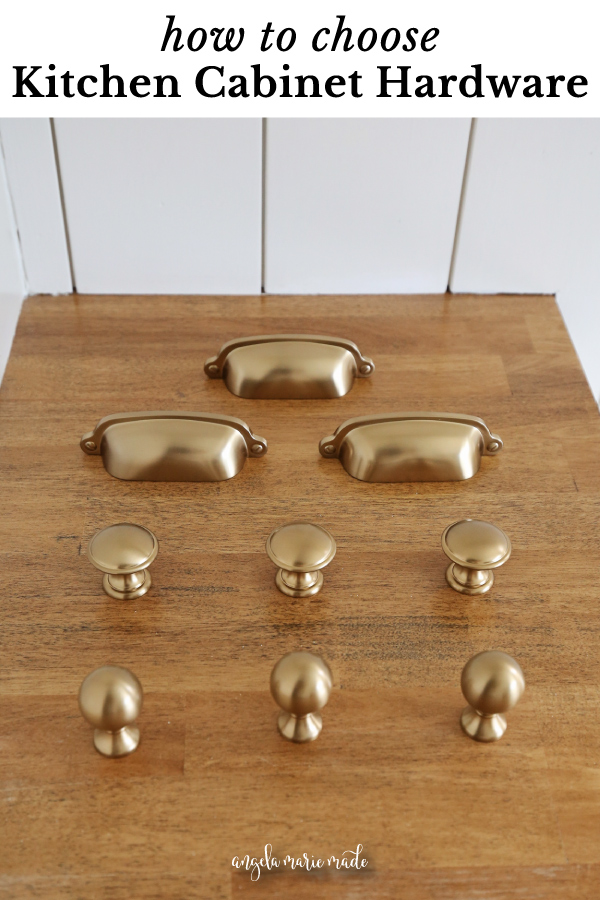
Credit: angelamariemade.com
Choosing Between Knobs And Pulls
Should you use knobs or pulls, or both? There’s no strict rule, but here’s what to consider:
- Knobs are usually for cabinet doors.
- Pulls (handles) are often for drawers.
But mixing is allowed! In fact, many designers use knobs for upper cabinets and pulls for lower drawers. Pulls are easier to grab and work better for heavier drawers.
Pros And Cons Table: Knobs Vs Pulls
| Feature | Knobs | Pulls |
|---|---|---|
| Best for | Cabinet doors | Drawers, large doors |
| Installation | One screw, easy | Two screws, more precise |
| Grip | Small, less leverage | Full hand, more leverage |
| Style Variety | Wide range | Wide range |
| Price (average) | Less expensive | More expensive |
One insight most beginners miss: Large drawers (like for pots and pans) are much easier to open with a long pull. Using only knobs can make heavy drawers harder to use.
Material Matters: What Cabinet Hardware Is Made From
Hardware material affects both how it looks and how long it lasts. Some materials are solid and heavy, others are light and prone to break. Here’s what you’ll find:
- Solid Brass: Very durable, doesn’t rust, feels heavy. Expensive but lasts for decades.
- Stainless Steel: Modern look, resists fingerprints and corrosion. Good for kitchens with lots of water.
- Zinc Alloy: Most “budget” hardware is zinc with a plated finish. Lighter and less durable, but affordable.
- Bronze: Warm, classic, and develops a patina over time.
- Ceramic or Glass: Used for decorative knobs. Can chip if hit hard, but adds charm.
- Plastic/Acrylic: Cheap and lightweight. Good for temporary use but not for long-term kitchens.
- Iron: Strong, often used in rustic or farmhouse styles. Needs a protective finish to prevent rust.
- Aluminum: Lightweight and modern, but can dent easily.
Table: Common Hardware Materials Compared
| Material | Look | Durability | Cost | Best For |
|---|---|---|---|---|
| Solid Brass | Classic, polished | Excellent | High | Traditional, luxury |
| Stainless Steel | Modern, sleek | Excellent | Medium-High | Modern, busy kitchens |
| Zinc Alloy | Varies (plated) | Good | Low | Budget updates |
| Ceramic/Glass | Decorative | Medium | Medium | Vintage, accent pieces |
| Iron | Rustic, matte | Good (if coated) | Medium | Farmhouse, country |
If you want hardware that feels solid and lasts, avoid pure plastic. Also, zinc hardware can look great at first, but plated finishes may wear off with heavy use.
Finish: Getting The Right Look And Feel
Finish means the final coating or color on your hardware. The finish changes how hardware looks and also how easy it is to clean. Common finishes include:
- Polished Chrome: Shiny, modern, reflects light. Shows fingerprints easily.
- Brushed Nickel: Soft, matte, hides fingerprints, very popular.
- Matte Black: Bold, modern, hides dirt well.
- Satin Brass: Warm gold look, trending in luxury kitchens.
- Oil-Rubbed Bronze: Dark brown, almost black, for a classic or rustic look.
- Antique Brass: Aged look, for vintage or traditional kitchens.
- Polished Nickel: Warmer than chrome, very elegant.
- Stainless Steel: Matches modern appliances, fingerprint resistant.
How To Choose Finish
- Match Appliances: If you have stainless steel appliances, stainless or brushed nickel hardware blends nicely.
- Contrast or Blend: For white cabinets, black or brass hardware stands out. For wood cabinets, try to match the undertone.
- Maintenance: Polished finishes show fingerprints. Brushed or matte finishes are easier to keep clean.
- Trend vs Timeless: Matte black and gold are trendy now, but classic finishes like brushed nickel never go out of style.
Non-obvious Insight
Mixing finishes can work, but do it with care. For example, you might use matte black pulls and brass knobs, but only if the rest of your kitchen supports both colors. Don’t mix too many finishes in a small space.
Comfort And Ergonomics
Hardware should feel good in your hand. Even beautiful hardware becomes annoying if it’s uncomfortable. Consider these tips:
- Test before you buy. Go to a store and try gripping knobs and pulls. Are they easy to grab? Do sharp edges dig into your fingers?
- Size matters. Long pulls (over 5 inches) are better for heavy drawers. Small knobs can be hard for people with arthritis or large hands.
- Projection. This is how far hardware sticks out from the cabinet. Too short, and you can’t get a good grip. Too long, and you might bump into them.
- Finger Space. Make sure there’s enough room behind a pull for your fingers, especially if you have thick cabinet doors.
A common mistake: picking hardware that looks good online, but is awkward in daily use. If you have kids or older family members, comfort is even more important.
Quality And Durability
Not all hardware is made to last. High-quality hardware may cost more up front but saves money and frustration in the long run.
How To Check Quality
- Weight: Heavier hardware usually means solid metal, which lasts longer.
- Finish: Look for even, smooth coatings. Cheap hardware sometimes has rough spots or thin plating.
- Screws and Fasteners: Quality hardware comes with sturdy screws. Thin or soft screws can strip easily.
- Brand Reputation: Big brands often have better warranties and quality control.
When To Spend More
- For drawers you open dozens of times a day, choose the best quality you can afford.
- For “accent” cabinets (like glass-front display cabinets), you can use more decorative, less durable hardware.
Size And Scale: Getting Proportions Right
Hardware should be the right size for your cabinets and drawers. Too small and it looks lost, too big and it overwhelms.
Basic Guidelines
- Pulls: Aim for pulls that are about 1/3 the width of the drawer. For example, a 15-inch drawer looks best with a 5-inch pull.
- Knobs: Standard knobs are 1 to 1.5 inches across. Larger cabinets can handle bigger knobs.
- Oversized Drawers: Use two pulls, spaced evenly.
A non-obvious tip: If your cabinets have wide rails (the frame around the door), pick hardware that sits comfortably on the rail and doesn’t look crowded.
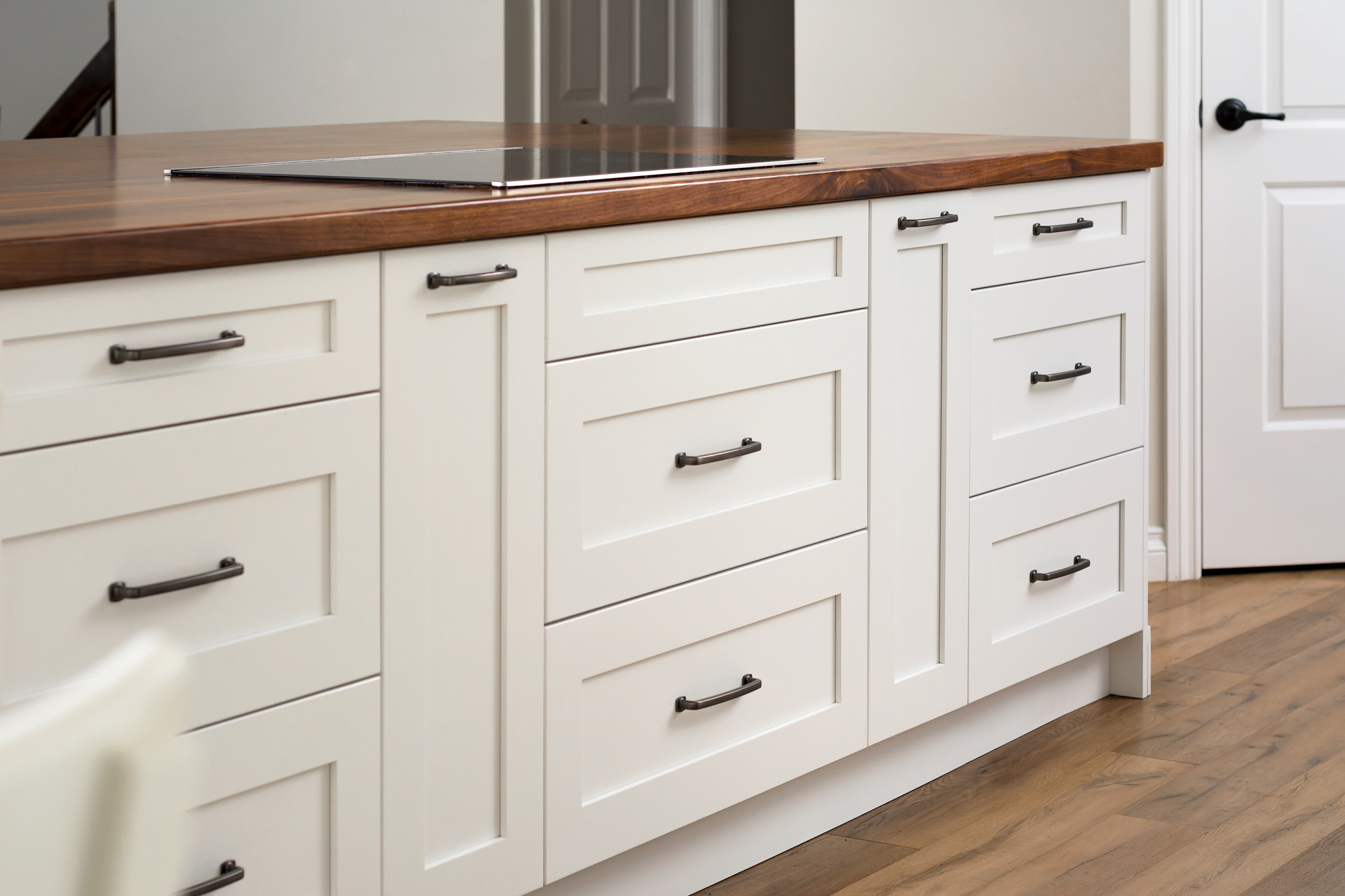
Credit: decorcabinets.com
Placement: Where To Install Hardware
The position of your hardware affects both looks and usability. Here’s where to put them:
- Cabinet Doors: Knobs go about 2.5 to 3 inches from the bottom corner of upper doors (or top corner of lower doors). Pulls are vertical on doors.
- Drawers: Pulls are centered, horizontally. For tall drawers, pulls can be mounted vertically.
- Symmetry: Always double-check that hardware lines up from door to door and drawer to drawer.
Table: Common Placement Distances
| Location | Distance from Edge | Orientation |
|---|---|---|
| Upper Cabinet Door Knob | 2.5″ – 3″ from bottom corner | Vertical |
| Lower Cabinet Door Knob | 2.5″ – 3″ from top corner | Vertical |
| Drawer Pull | Centered | Horizontal |
| Tall Drawer Pull | Centered or vertical | Vertical |
Make a template or use a jig to ensure all your hardware lines up perfectly. Crooked hardware is very noticeable and hard to fix.
Budget: How Much Should You Spend?
Cabinet hardware is available at all price points—from under $2 per piece to $50 or more for designer brands. Here’s how to think about your budget:
- Total Cost: Count how many knobs and pulls you need. Even small price differences add up.
- Value vs. Cost: Spending $5 extra on each piece for higher quality can mean $200-$300 more for a medium kitchen, but that’s often worth it for durability.
- Prioritize: Focus your budget on the most-used cabinets and drawers.
- Mix and Match: Use more affordable hardware for less-used cabinets (like above the fridge), and splurge on the main drawers.
If you’re flipping a house or updating a rental, it’s okay to choose less expensive hardware. But for your own kitchen, quality is worth it.

Credit: schoolhouse.com
Special Features And Upgrades
Some hardware has extra features that make life easier or add style:
- Soft-Close Hinges: Stop doors from slamming. Great for families.
- Push-to-Open Mechanisms: For ultra-modern, handle-free cabinets.
- Decorative Backplates: Add a fancy touch and protect cabinet finish.
- Custom Hardware: Get pulls made to your exact length or in special materials.
Think about your needs. If you have children, rounded hardware is safer. If you cook a lot, hardware that’s easy to wipe clean is a must.
Where To Buy: Showrooms Vs Online
You can buy cabinet hardware at big-box stores, specialty showrooms, or online. Each has pros and cons:
- Showrooms: You can touch and feel the hardware. Staff can offer advice.
- Online: Huge selection, better prices, but you can’t test comfort or finish.
- Home Centers: Good for seeing finishes in person, but limited selection.
A good tip is to buy one or two samples online before ordering a full set. That way, you can check quality and comfort at home.
Installation: Diy Or Professional?
Most people can install hardware themselves with basic tools—a drill, screwdriver, and a template. But for a perfect finish, especially with expensive cabinets, you might want a pro.
- DIY: Save money, but measure very carefully.
- Professional: Costs more, but ensures a flawless result.
If you’re not confident, consider hiring someone. Misaligned hardware is hard to fix and can damage cabinets.
Mistakes To Avoid
Even careful shoppers can make mistakes. Here are the most common errors:
- Not Testing Comfort: Hardware should feel good, not just look good.
- Wrong Size: Too big or too small hardware throws off the whole kitchen’s look.
- Mixing Too Many Styles: Stick to one or two styles for a cohesive look.
- Ignoring Finish Matching: Hardware should work with appliances, faucets, and lighting.
- Cheap Screws: Low-quality screws strip easily and can break.
- Skipping Samples: Try hardware at home before buying all at once.
- Bad Placement: Crooked or uneven hardware is very noticeable.
Real-world Examples
Let’s look at two kitchens and how the hardware choice made a difference.
Example 1: Modern Kitchen
A family remodeled with flat, white cabinets and stainless appliances. They picked long, stainless steel bar pulls. The result: a clean, professional look. The bar pulls made drawers easy to open, even for children.
Example 2: Vintage Farmhouse
An older home had painted wood cabinets and a farmhouse sink. The owner chose oil-rubbed bronze cup pulls for drawers and matching round knobs for doors. The hardware added warmth and tied together the whole country style.
Sustainability: Eco-friendly Hardware Choices
If you care about the environment, look for:
- Recycled Materials: Some brands use recycled brass or aluminum.
- Local Manufacturing: Hardware made closer to home cuts shipping emissions.
- Long Life: Durable hardware means less waste over time.
Check for brands with good environmental practices. Quality hardware is not just about looks—it’s about lasting value.
When To Replace Hardware
Sometimes, updating just the hardware can give your kitchen a fresh look. Signs it’s time to replace:
- Hardware is loose, broken, or hard to clean.
- The style feels outdated.
- You want to change the kitchen’s look without a full remodel.
You can often switch knobs for pulls (or vice versa) if you’re willing to fill old holes and drill new ones.
Inspiration: Trends And Timeless Looks
Trends change, but some looks always work:
- Timeless: Brushed nickel, polished chrome, simple shapes.
- Trendy: Matte black, satin brass, mixed metals.
- Personal Touch: Vintage glass knobs, custom pulls, hand-painted ceramic.
Don’t be afraid to add a little personality, but remember you’ll see the hardware every day—so pick something you’ll love for years.
For more inspiration and visual examples, the Houzz Cabinet Hardware Guide has hundreds of real kitchen photos.
Frequently Asked Questions
What Is The Most Durable Material For Kitchen Cabinet Hardware?
Solid brass and stainless steel are the most durable choices. They resist corrosion, last for decades, and feel substantial in your hand.
Should All Kitchen Hardware Match?
Not always, but it should coordinate. Mixing knobs and pulls is fine if the finishes and overall style are consistent. Avoid more than two finishes in a small kitchen.
How Do I Clean And Maintain Cabinet Hardware?
Wipe with a soft, damp cloth. Avoid harsh chemicals, especially on brass or bronze. For stubborn spots, use a mild soap and dry thoroughly. Polished finishes need more frequent cleaning to avoid fingerprints.
What Size Pulls Or Knobs Should I Buy?
For drawers, pulls should be about one-third the width of the drawer. Knobs are usually 1 to 1. 5 inches wide. Large cabinets can handle bigger hardware, but avoid pieces that look oversized.
Can I Replace Just The Hardware To Update My Kitchen?
Yes! Swapping out knobs and pulls is one of the easiest ways to refresh your kitchen’s look. Make sure new hardware fits the existing holes or be ready to fill and drill new ones.
—
Picking the right hardware for kitchen cabinets is more than just an afterthought. It’s a choice you’ll see and feel every day. By focusing on style, material, finish, comfort, and quality, you’ll create a kitchen that works beautifully and looks fantastic for years.
Don’t rush—test options, check real samples, and enjoy the process. The right hardware can make your kitchen feel truly finished and uniquely yours.