
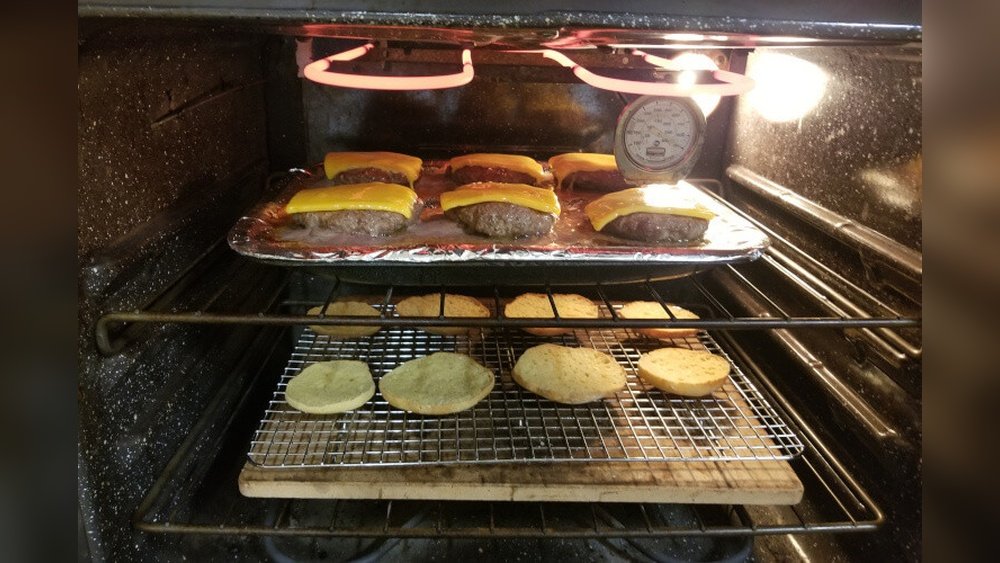
Broiling a hamburger in the oven is a smart way to enjoy a juicy, flavorful burger at home—no grill required. Many people think you need a fancy barbecue for that perfect char, but your kitchen broiler can do the job well.
This method is easy, fast, and gives you full control over every detail. You can cook burgers for a family dinner or a quick lunch, and clean-up is simple compared to outdoor grilling.
But there are some things to know before you start. It’s not just about tossing a patty under the heat. If you want a burger that’s crispy outside, tender inside, and cooked just right, you need to understand the tools, techniques, and ingredients involved. In this article, you’ll learn everything about broiling hamburgers in the oven: from choosing the best meat to step-by-step instructions, common mistakes, and ways to customize your burger. You’ll also see tips for different diets, how to handle leftovers, and answers to popular questions.
Why Broil Hamburgers In The Oven?
Broiling uses direct heat from above, like an upside-down grill. This method has several advantages:
- No weather worries: You can broil burgers any time, rain or shine.
- Less mess: Oven broiling keeps smoke and grease splatter to a minimum.
- Consistent results: Oven temperatures are steady, so you get even cooking.
- Quick and easy: No need to light charcoal or wait for a grill to heat up.
Many home cooks are surprised at how well broiled burgers turn out. With the right steps, you can achieve a rich, caramelized crust and a juicy interior. If you live in an apartment or don’t own a grill, broiling is your best bet for a classic American hamburger.
Choosing The Best Meat For Broiled Burgers
The type of meat you use is the foundation of your burger. Not all ground beef is equal.
Fat Content
For a juicy, flavorful burger, 80/20 ground beef (80% lean, 20% fat) is ideal. The fat keeps the patty moist under the intense broiler heat.
- Too little fat (90/10 or higher): Burgers can end up dry and crumbly.
- Too much fat (less than 80/20): Excess fat may cause flare-ups and greasy burgers.
Freshness
Freshly ground beef has better taste and texture. If possible, buy from a butcher or grind your own at home. Pre-packaged ground beef is convenient, but can sometimes be dense and less flavorful.
Other Meats And Mixes
You can use other meats, but adjust expectations:
- Ground turkey or chicken: Leaner, cooks faster, can dry out.
- Plant-based patties: Require less broiling time, different flavor and texture.
- Mix-ins: Some add minced onion, garlic, or Worcestershire sauce for flavor.
Comparison Of Common Burger Meats
| Meat Type | Fat Content | Flavor | Moisture | Broiling Suitability |
|---|---|---|---|---|
| Beef (80/20) | 20% | Rich, beefy | Juicy | Excellent |
| Beef (90/10) | 10% | Mild | Less juicy | Acceptable |
| Turkey | 7–10% | Mild | Dry if overcooked | Good (watch closely) |
| Plant-Based | Varies | Depends on brand | Moisture added | Good (shorter cook time) |
Insight: Some beginners choose ultra-lean beef thinking it’s healthier, but this often leads to disappointing, dry burgers. The fat mostly drips away during broiling, so don’t be afraid of 80/20.
Essential Tools And Equipment
You don’t need fancy gadgets, but a few items make broiling burgers easier and safer.
- Oven with broiler: Most home ovens have a broiler setting—usually the top heating element.
- Broiler pan or wire rack: Allows fat to drain away, preventing soggy burgers.
- Aluminum foil: Lining the bottom tray makes cleanup simple.
- Tongs or spatula: For flipping patties safely.
- Meat thermometer: Ensures burgers reach a safe temperature.
- Oven mitts: Protect your hands from high heat.
- Baking sheet (optional): If you don’t have a broiler pan, use a rimmed baking sheet with a wire rack.
Tip: Avoid glass bakeware under the broiler—it can shatter from intense heat.
Preparing The Burger Patties
How you handle and shape your patties affects the final result.
Portioning
A classic burger patty weighs about 4 to 6 ounces (113 to 170 grams). This gives a good bun-to-meat ratio.
- Use a kitchen scale for accuracy.
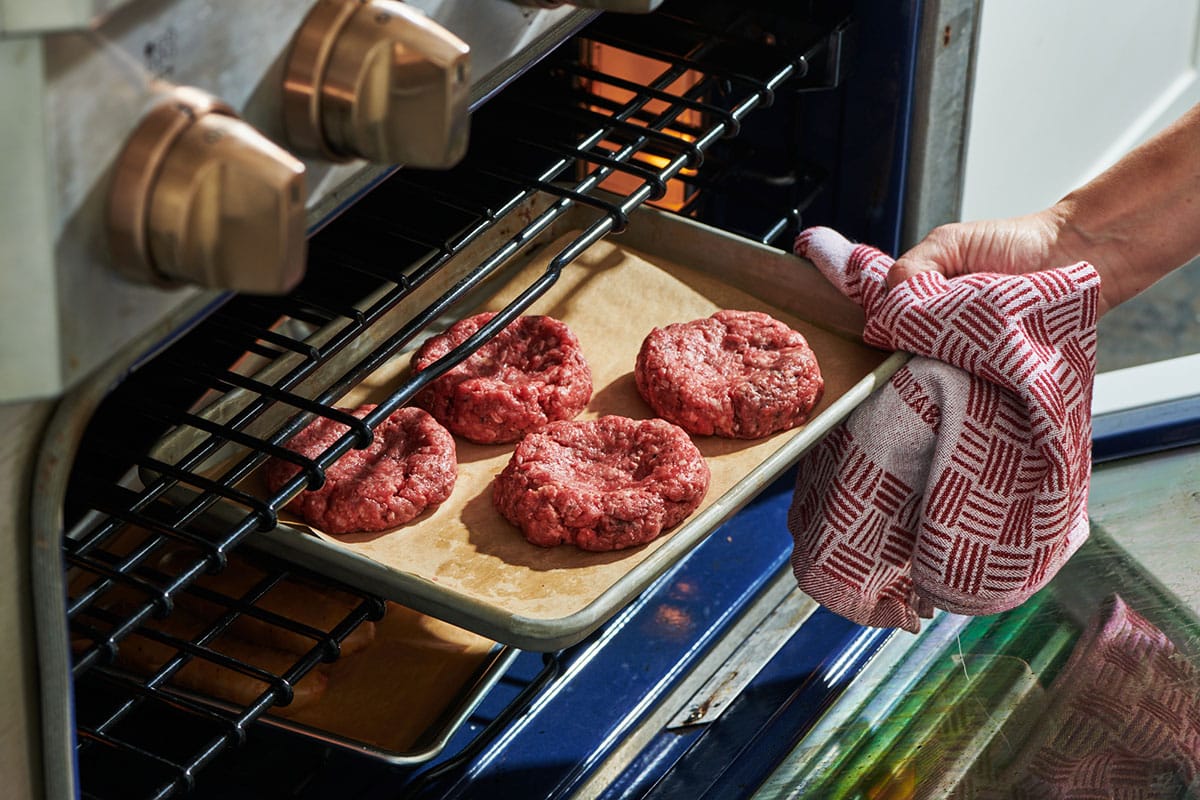
- Roll the ground beef into balls, then flatten gently into disks about 3/4 inch thick.
Shaping
Make a small indentation in the center of each patty with your thumb. This prevents the burger from puffing up in the middle during cooking.
Seasoning
Season both sides with kosher salt and freshly ground black pepper just before broiling. Salt draws out moisture, so avoid adding it too early.
- You can add other spices (garlic powder, onion powder, smoked paprika), but simple is often best.
Handling
Don’t overwork the meat. Handle it as little as possible—this keeps the texture tender.
Setting Up The Oven For Broiling
Broiling works best when the oven is prepared correctly.
- Move the oven rack to the upper third of the oven, about 4–6 inches from the broiler element.
- Preheat the broiler for 5–10 minutes. A hot broiler sears the burgers quickly.
- Line the broiler pan with foil for easy cleanup. Place the rack on top.
- Spray or brush the rack with oil to prevent sticking.
Common Mistake: Placing patties too close to the broiler can cause burning outside and raw centers. Too far away leads to pale, steamed burgers.
How To Broil A Hamburger In Oven: Step-by-step
Now, let’s break down the actual cooking process:
Step 1: Shape And Season Patties
- Form your patties as described above.
- Press a thumbprint into the center.
- Season both sides with salt and pepper.
Step 2: Arrange On Broiler Pan
- Place patties on the prepared rack.
- Leave at least 1 inch of space between each burger for even cooking.
Step 3: Broil First Side
- Slide the pan under the preheated broiler.
- Broil for 3–4 minutes for medium-rare (4–5 minutes for medium).
- Check for browning on top.
Step 4: Flip And Broil Second Side
- Use tongs or a spatula to flip each patty.
- Broil for another 3–4 minutes (or 4–5 minutes for medium).
- Add cheese during the last minute if desired.
Step 5: Check For Doneness
- Insert a meat thermometer sideways into the center.
- Safe internal temperature: 160°F (71°C) for ground beef.
- If not done, broil 1 more minute and check again.
Step 6: Rest And Serve
- Remove burgers from oven.
- Let rest 2–3 minutes so juices redistribute.
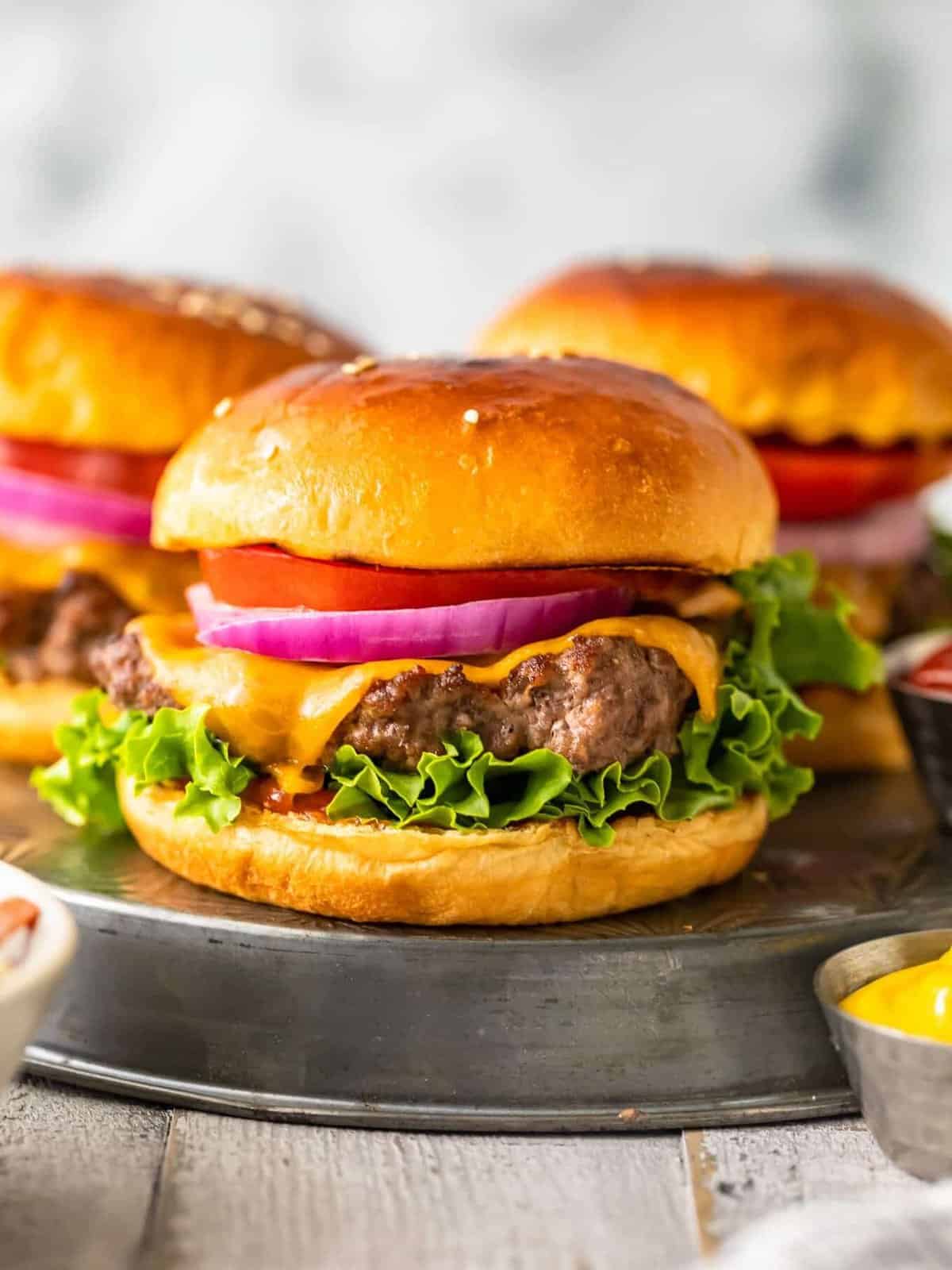
- Place on buns and add toppings.
Practical Example: For four 5-ounce burgers, broil 4 minutes per side for medium, adding cheese in the last minute. Remove, rest, then serve.
Broiling Time Chart For Burgers
Cooking time depends on patty thickness, oven strength, and desired doneness.
| Doneness | Broil Time (per side) | Internal Temperature | Notes |
|---|---|---|---|
| Rare | 2–3 min | 125°F (52°C) | Not recommended for ground beef |
| Medium-Rare | 3–4 min | 135°F (57°C) | Juicy, pink center |
| Medium | 4–5 min | 145°F (63°C) | Slightly pink |
| Well Done | 5–6 min | 160°F (71°C) | Fully cooked |
Insight: The FDA recommends 160°F for ground beef safety. Ground meat mixes bacteria throughout, so don’t serve rare burgers unless you grind beef yourself.
Choosing The Right Buns And Toppings
A great burger needs more than just the patty. The bun and toppings complete the experience.
Buns
Soft, sturdy buns work best for broiled burgers. Consider:
- Potato buns: Slightly sweet, very soft.
- Brioche buns: Rich, buttery flavor.
- Sesame seed buns: Classic, holds up well.
- Whole wheat: Healthier, nutty flavor.
Toast buns under the broiler for 30 seconds for extra flavor and texture.
Classic Toppings
- Cheese: American, cheddar, Swiss, or pepper jack. Add during the last broiling minute.
- Lettuce: Iceberg or romaine for crunch.
- Tomato slices: Adds moisture and freshness.
- Pickles: Tart crunch.
- Onions: Raw, grilled, or caramelized.
- Ketchup, mustard, mayo: The classics.
Creative Toppings
- Sautéed mushrooms
- Avocado slices
- Fried egg
- Crispy bacon
- Jalapeños
- Special sauces (sriracha mayo, garlic aioli)
Tip: Don’t overload the burger. Too many toppings can make it hard to eat.
:max_bytes(150000):strip_icc()/20210607-JUICYBROILEDBURGERS-JANJIGIAN-seriouseats-2-452d180369bd4074a194bc1cfeb720de.jpg)
Credit: www.seriouseats.com
Common Mistakes When Broiling Burgers
Even experienced cooks slip up with broiled burgers. Watch out for these pitfalls:
- Overworking the meat: Makes burgers tough.
- Skipping the thumbprint: Burgers puff up, cook unevenly.
- Not preheating the broiler: Weak sear, longer cook time.
- Cooking too close to broiler: Burns outside, raw inside.
- Forgetting to flip: One side burns, one side steams.
- Not checking temperature: Risk of undercooked or overcooked burgers.
- Crowding the pan: Steams the meat, prevents browning.
- Salting too early: Draws out moisture, dries burgers.
- Using glass pans: Can crack under broiler heat.
- Skipping the rest: Juices run out, dry patty.
Non-obvious tip: Letting the burgers rest on a wire rack (not a plate) after broiling keeps the crust crisp.
Adjustments For Special Diets
You can adapt broiled burgers for nearly any dietary need.
Low-carb Or Keto
- Use lettuce wraps instead of buns.
- Skip sweet sauces and opt for full-fat cheese.
Gluten-free
- Choose gluten-free buns or serve burgers on portobello mushroom caps.
Dairy-free
- Omit cheese or use plant-based cheese slices.
- Many toppings (lettuce, tomato, onion) are naturally dairy-free.
Vegetarian/vegan
- Broil plant-based burgers (like Beyond or Impossible) as you would meat, but shorten cook time.
- Add vegan cheese or sauces.
Example: For a keto burger, broil an 80/20 beef patty, serve with cheddar, avocado, and bacon wrapped in lettuce.
How To Broil Frozen Hamburgers
Broiling fresh patties is best, but you can use frozen burgers too.
- Do not thaw: Place frozen patties directly on broiler pan.
- Broil 5–6 minutes per side for 1/2 inch thick patties.
- Check temperature (aim for 160°F).
- Drain excess fat halfway through to avoid flare-ups.
Insight: Frozen burgers tend to release more water. Blot with paper towels after broiling for a better crust.
Cleaning Up After Broiling
Broiling is less messy than frying, but you still need to clean up.
- Let the broiler pan cool completely.
- Discard aluminum foil and any fat collected.
- Wash rack and pan with hot, soapy water.
- Wipe down oven interior if there was any splatter.
Pro tip: Soak the broiler rack immediately after cooking to make scrubbing easier.
Credit: www.thecookierookie.com
Comparing Broiling To Other Cooking Methods
How Does Broiling Stack Up Against Grilling, Pan-frying, Or Baking?
| Method | Crust/Char | Juiciness | Ease | Smoke/Smell |
|---|---|---|---|---|
| Broiling | Excellent | High | Very easy | Minimal |
| Grilling (outdoor) | Best | High | Medium | High |
| Pan-Frying | Good | Medium | Easy | Some grease |
| Baking | Low | Medium | Easiest | Low |
Insight: Broiling gives you the best indoor crust—almost as good as grilling—without the hassle of outdoor cooking.
Advanced Tips For Perfect Broiled Burgers
Take your broiled burgers to the next level with these techniques:
- Chill patties for 30 minutes before broiling. This helps them hold their shape and enhances juiciness.
- Brush patties with melted butter just before broiling for a richer crust.
- Flip only once to avoid breaking the crust.
- Broil sliced onions or mushrooms on the same pan for easy toppings.
- For extra flavor, mix a little Worcestershire sauce into the beef before shaping patties.
Non-obvious tip: If your broiler has hot spots, rotate the pan halfway through for even browning.
Credit: themom100.com
Handling Leftovers And Food Safety
Cooked burgers can be stored and reheated safely with good practices.
- Cool burgers quickly: Place on a wire rack, then refrigerate within 2 hours.
- Store in airtight container: Keeps for 3–4 days.
- Reheat under broiler: 1–2 minutes per side restores crust.
- Do not re-broil raw patties that have been at room temperature more than 2 hours.
- Freeze cooked burgers: Wrap tightly, freeze up to 3 months.
Tip: Add a splash of water or beef broth before reheating to keep burgers moist.
For more on food safety guidelines, visit the USDA Food Safety site.
Frequently Asked Questions
How Do I Know When My Broiled Burger Is Done?
Use a meat thermometer. Insert it into the thickest part of the patty. For ground beef, the safe temperature is 160°F (71°C). If you don’t have a thermometer, cut into the burger—look for no pink and clear juices.
Can I Broil Burgers Without A Broiler Pan?
Yes. Use a rimmed baking sheet topped with a wire rack. The rack lets fat drain, preventing soggy burgers. If you have neither, broil burgers directly on a foil-lined baking sheet but flip halfway and blot excess fat.
Should I Cover Burgers While Broiling?
No. Do not cover burgers under the broiler. Covering traps steam, making the crust soft. The broiler’s dry heat is what gives burgers their crispy exterior.
Is Broiling Burgers Healthier Than Pan-frying?
Broiling lets fat drip away from the meat, reducing overall fat in the finished burger. Pan-frying can make burgers sit in grease. While broiling is a bit healthier, the beef’s fat content still matters most.
What’s The Best Cheese For Broiled Burgers?
American cheese melts smoothly and is classic. Cheddar, Swiss, or pepper jack are also good. Place cheese on the burger during the last minute of broiling for perfect melt.
Broiling hamburgers in the oven is a simple but powerful method. With the right meat, tools, and a few smart techniques, you can serve up burgers that rival your favorite diner. Whether you love classic cheeseburgers or want to experiment with new flavors, broiling lets you enjoy juicy, charred patties at home—any season, any weather.
Try it once, and you may never go back to the grill.