
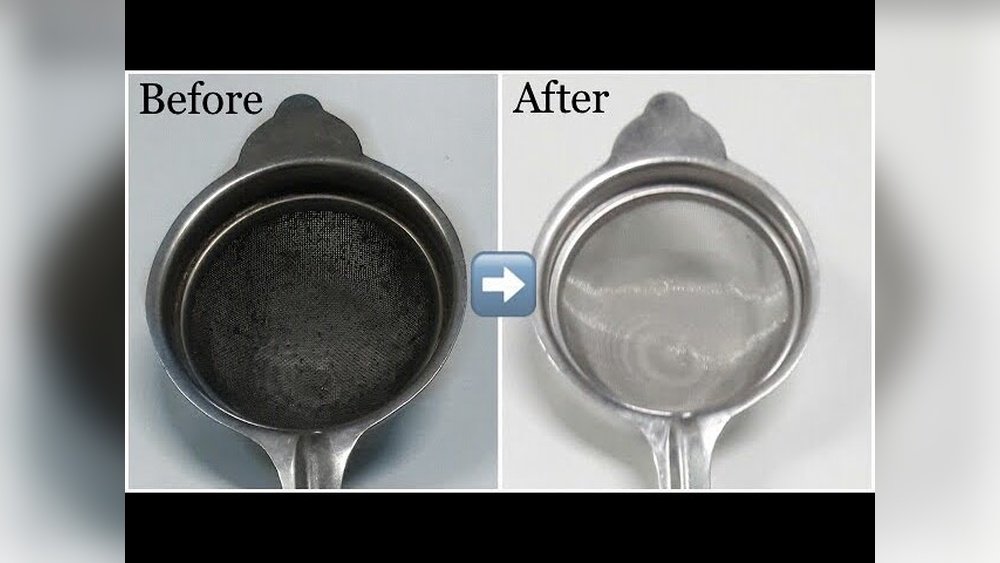
A colander is a simple kitchen tool, but cleaning it can sometimes feel like a big challenge. Tiny holes trap food, pasta starch dries and sticks, and greasy residue can build up over time. Whether you use a stainless steel, plastic, or silicone colander, knowing how to clean it well is important for hygiene and for the life of your kitchen gear. Many people wash colanders quickly and miss the hidden food or bacteria that stays behind. This guide will show you everything you need to know about cleaning a colander, from quick rinses to deep cleaning, so you never have to worry about bad smells or stuck food again.
Why Cleaning A Colander Matters
A colander is used for draining pasta, rinsing vegetables, and more. Because of its many holes and sometimes complex shapes, food particles and moisture often remain trapped. This can lead to the growth of bacteria, mold, and even rust in metal colanders. Over time, a poorly cleaned colander can change the taste and smell of food, or even make you sick.
Some people think a quick rinse is enough, but studies show that kitchen tools with small holes, like graters and colanders, are hotspots for germs. According to a 2021 research article in the International Journal of Food Microbiology, kitchen tools that are not cleaned properly can carry up to 10,000 bacteria per square centimeter. Regular, proper cleaning is a must.
Types Of Colanders And Their Cleaning Needs
Not all colanders are the same. The material your colander is made of changes how you should clean it.
| Colander Material | Main Cleaning Challenge | Can Go in Dishwasher? |
|---|---|---|
| Stainless Steel | Water spots, rust if not dried | Usually |
| Plastic | Stains, odors, scratches | Often, check label |
| Silicone | Trapped oil, soap film | Yes |
| Enamel-coated | Chips, rust under coating | Rarely |
Stainless steel colanders are tough and handle scrubbing, but can develop rust if not dried properly. Plastic colanders can stain and keep odors, and hot water can warp them. Silicone is flexible but can trap oil, while enamel-coated colanders look nice but can chip.

Credit: lifehacks.stackexchange.com
Essential Tools And Products For Cleaning
Before you start, gather the right tools. These make cleaning easier and more effective:
- Dish soap: Cuts grease and helps lift food particles.
- Sponge with abrasive side: For scrubbing, but not scratching.
- Old toothbrush: Perfect for cleaning inside small holes.
- Bottle brush: For colanders with deep or narrow sections.
- Baking soda: Natural, gentle abrasive for tough stains.
- White vinegar: Kills germs and removes odors.
- Clean towel: For drying to avoid water spots or rust.
- Gloves: Protect hands from hot water or strong cleaners.
Using the right tool for your colander’s material avoids damage. For example, do not use steel wool on plastic or enamel, as it will scratch.
Basic Cleaning: After Everyday Use
Every time you use a colander, it should be cleaned immediately. This stops food from drying and sticking.
- Rinse right away: Hold the colander under warm running water to wash away large pieces of food.
- Add dish soap: Place a few drops of dish soap on a wet sponge.
- Scrub gently: Use the sponge to clean both inside and outside. Pay attention to the rim and legs, where food sometimes hides.
- Focus on holes: Use an old toothbrush to scrub around and inside the holes. Move in small circles.
- Rinse thoroughly: Make sure no soap is left. Soap residue can affect the taste of your next food.
- Dry completely: Use a towel or air dry. Never store a wet colander, especially if it’s metal.
If you wash right after use, you prevent most problems. This basic method works for stainless steel, silicone, and most plastic colanders.
Dealing With Stuck-on Food
Sometimes, food dries and hardens in the holes. Pasta, rice, or small seeds can be especially stubborn. Here’s how to handle it:
- Soak first: Fill your sink or a large bowl with hot water and a squirt of dish soap. Submerge the colander for at least 15–30 minutes.
- Use a brush: After soaking, use a bottle brush or toothbrush to push out stuck food from inside the holes.
- Try baking soda paste: Mix baking soda with a little water to make a paste. Spread it over stubborn spots and gently scrub.
- Rinse with hot water: The heat helps remove oils and food bits.
- Repeat if needed: Some foods, like melted cheese, may need a second soak.
This method is gentle but effective, and it avoids damaging the surface of your colander.
Removing Odors And Stains
Colanders can trap smells, especially when used for onions, garlic, or fish. Plastic and silicone are especially known for holding odors. To remove them:
- Sprinkle baking soda: Cover the inside with a thin layer of baking soda.
- Add vinegar: Pour white vinegar over the baking soda. It will fizz—this helps lift stains and smells.
- Let it sit: Wait for 10–15 minutes.
- Scrub and rinse: Use your sponge or brush, then rinse well.
For tough stains (like tomato or beetroot on plastic), leave the baking soda paste on for an hour or more before scrubbing.
Some people try lemon juice for a natural fresh smell. Rubbing the inside with a lemon half can help, but vinegar is usually more powerful.

Credit: www.youtube.com
Deep Cleaning: Weekly Or After Heavy Use
A deep clean is important if you use your colander for sticky foods, or after draining oily pasta, or if you have not cleaned it for a while.
How To Deep Clean
- Check dishwasher safety: If your colander is dishwasher safe, put it on the top rack and run it on a hot cycle.
- Hand-wash for delicate colanders: For enamel or fragile plastic, wash by hand with hot, soapy water.
- Disinfect: Fill a basin with hot water and 1 cup of white vinegar. Soak the colander for 10–20 minutes to kill bacteria.
- Clean holes carefully: Use a brush for each hole if you see any black spots or trapped food.
- Dry upside down: Let the colander air dry upside down. This stops water from collecting in the rim.
If you see any rust on a metal colander, scrub with a baking soda paste. Rinse and dry right away.
Cleaning Special Colander Types
Stainless Steel
- Scrub with a non-scratch pad.
- Dry quickly to avoid water spots and rust.
- If you see rust, use a mixture of baking soda and lemon juice.
Plastic
- Avoid hot water above 120°F (it can warp the plastic).
- Use baking soda for stains, but don’t use harsh scrubbers.
- Don’t put in the dishwasher unless the label says it’s safe.
Silicone
- Wash with hot, soapy water.
- Can go in the dishwasher.
- If greasy, soak in vinegar water.
Enamel-coated
- Never use abrasive pads (they scratch the coating).
- Wash by hand with mild soap.
- Dry well to avoid chips and rust.
How To Clean A Colander With Small Holes
Some colanders have very tiny holes, which are great for draining small grains like quinoa or rice, but hard to clean.
- Use a high-pressure sprayer if your sink has one. The force pushes food out of small holes.
- Soak for longer (even overnight) with soapy water.
- Turn the colander and tap it on the counter to shake out food bits.
- Insert a toothpick or a soft brush into each hole if anything is stuck.
Be gentle—metal tools can scratch or bend small holes.
What To Do About Mold Or Mildew
If you see black spots or smell mold, act quickly:
- Mix 1 part bleach to 10 parts water (or use white vinegar for a natural choice).
- Soak the colander for 10 minutes.
- Scrub all surfaces with a brush.
- Rinse many times to remove any bleach or vinegar.
- Dry in sunlight if possible—sunlight helps kill mold spores.
Mold is more common if you store a colander wet, especially in a dark cabinet.

Credit: www.globalkitchenjapan.com
Storing Your Colander To Keep It Clean
How you store your colander can help keep it clean between uses.
- Make sure the colander is completely dry before storing.
- Hang it, if possible, so air can circulate.
- If stacking inside other pots, place a clean paper towel between to keep dust and moisture away.
- Don’t store near raw meat or fish, as bacteria can spread.
A dry, clean colander will not grow bacteria or mold.
Common Mistakes When Cleaning A Colander
Many people make simple mistakes that make cleaning harder. Avoid these:
- Waiting too long to wash: Dried food is much harder to remove.
- Using the wrong tools: Steel wool on plastic or enamel will scratch.
- Not checking the holes: Food often hides here.
- Storing while wet: Leads to rust, mold, and bad smells.
- Ignoring stains and smells: These can transfer to new foods.
If you avoid these mistakes, your colander will last for many years.
Comparing Cleaning Methods For Colanders
Here’s a look at how different cleaning methods compare for effectiveness, time, and safety:
| Method | Effectiveness | Time Needed | Safe for All Colanders? |
|---|---|---|---|
| Rinse & Sponge | Good for daily cleaning | 2–3 minutes | Yes |
| Soak & Brush | Best for stuck food | 20–30 minutes | Yes, with soft brush |
| Baking Soda & Vinegar | Excellent for odors and stains | 15–60 minutes | Yes |
| Dishwasher | Great for most, not all | 1 cycle | No (check label) |
| Bleach Solution | Kills mold/germs | 10–15 minutes | No (never for enamel) |
Always check your colander’s label or packaging for special instructions.
How To Clean Colanders Used For Different Foods
Some foods leave more of a mess than others. Here’s how to handle common cases:
Pasta And Rice
These foods can leave a starchy film and small bits in holes. Rinse with hot water right after use, then scrub. If the film stays, use baking soda.
Vegetables And Fruit
Sometimes dirt or sand gets stuck. Use a brush and rinse well. If you washed leafy greens, check for small leaves stuck in holes.
Oily Or Greasy Foods
Soak in hot water with dish soap. For stubborn grease, add a tablespoon of vinegar.
Eggs
Eggs can leave a sticky protein film. Scrub with a sponge and warm, soapy water. If the smell stays, use baking soda.
How Often Should You Clean A Colander?
Clean your colander after every use. Deep clean it weekly or if it smells, looks stained, or you see trapped food. If you use it for raw meat or eggs, disinfect it with vinegar or a mild bleach solution.
Non-obvious Tips For A Cleaner Colander
Many people miss these easy tricks:
- Clean the rim and legs: Food and water collect here, leading to smells and bacteria.
- Use a toothpick for tiny holes: Especially for rice or quinoa colanders, a toothpick is better than a brush.
- Rotate your cleaning tools: Use a new toothbrush every few months to avoid spreading germs back to your colander.
Can You Clean A Colander With Natural Products?
Yes. Baking soda, vinegar, lemon juice, and hot water are all safe and effective. They also do not scratch or damage colanders. For a scented finish, add a drop of essential oil to the rinse water.
What If Your Colander Is Old Or Damaged?
If your colander is rusty, has big chips, or cracks, it may be time to replace it. Rust or chips can break off into food, which is not safe. A new colander is a small investment for health and hygiene.
When To Sanitize Your Colander
Sanitizing is extra important if you used your colander for raw meat, eggs, or if someone in your home is sick. Use a bleach solution (1 tablespoon bleach in 1 gallon of water) or a strong vinegar soak. Rinse many times and dry completely.
How To Make Cleaning Faster And Easier
- Wash your colander right after use.
- Use a sprayer to push out small bits.
- Keep a toothbrush in your kitchen for cleaning.
- Soak for 10 minutes while you eat, then wash.
These simple habits save time and make deep cleaning less necessary.
What To Avoid When Cleaning A Colander
- Never use harsh chemicals (like oven cleaner).
- Do not soak wooden-handled colanders (rare, but some older models have wood).
- Never put non-dishwasher safe colanders in a dishwasher.
- Do not use sharp objects to pick out food—they can damage the holes.
Real-life Example
Sarah, a home cook, always struggled with her plastic colander smelling like garlic. She started soaking it in baking soda and vinegar once a week. After two weeks, the smell was gone and her fruit tasted fresh again. She also started using a toothbrush for the holes, and found less food stuck after draining pasta.
Expert Advice
The National Sanitation Foundation recommends cleaning all kitchen tools after every use and sanitizing weekly, especially if used for foods that can spoil. They also warn that any tool with cracks or rust should be replaced.
For more on kitchen tool cleaning and safety, check out this helpful CDC guide on food safety.
Frequently Asked Questions
How Do I Clean A Colander With Rice Stuck In The Holes?
Soak the colander in hot, soapy water for at least 20 minutes. Use a toothpick or soft brush to push rice out of each hole. Rinse with strong water pressure. Do not use metal tools—they can scratch.
Is It Safe To Put A Plastic Colander In The Dishwasher?
Check the label. Most plastic colanders are top-rack dishwasher safe, but some cheap plastics can warp. If unsure, hand-wash with warm water and mild soap.
What Removes Tomato Stains From A Colander?
Make a paste from baking soda and water. Spread it on the stains and let it sit for 30–60 minutes. Scrub gently with a sponge or brush and rinse well.
How Do I Keep My Stainless Steel Colander From Rusting?
Always dry your colander completely after washing. Store in a dry place. If rust appears, scrub with baking soda and lemon juice, rinse, and dry well.
Can I Clean A Colander With Bleach?
Yes, but use only a small amount (1 tablespoon per gallon of water), and rinse many times after soaking. Never use bleach on enamel-coated colanders, as it can damage the surface.
Keeping your colander clean is a simple but important step for kitchen hygiene. With the right tools, tips, and habits, you can make sure your colander is always ready for the next meal—fresh, stain-free, and safe.