
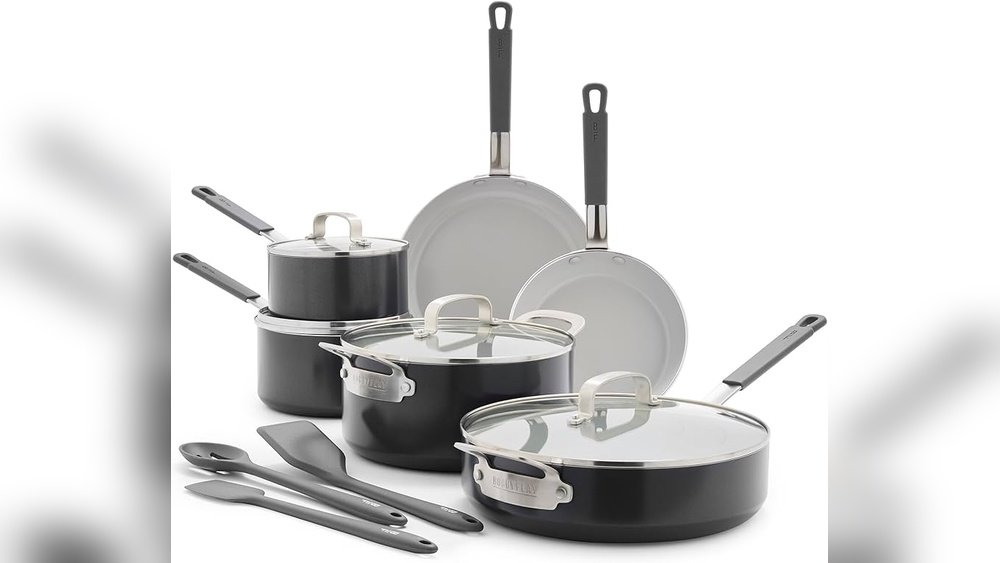
GreenPan pots and pans are popular for their nonstick ceramic coating and eco-friendly design. They let you cook with less oil and make cleaning easier than traditional cookware. But many owners are surprised when their GreenPan pans lose their nonstick power or discolor over time.
This usually happens because of cleaning mistakes or using the wrong products. If you want your GreenPan cookware to last, you need to care for it properly from the start.
This article explains how to clean GreenPan pots and pans in detail. You’ll learn about the best cleaning methods for everyday mess, stuck-on food, discoloration, and stains. We’ll also cover common mistakes, special tips for different GreenPan models, and how to keep your pans looking new. Whether you just bought your first GreenPan or want to rescue an older one, you’ll find clear, practical advice here.
Why Greenpan Needs Special Care
GreenPan cookware is coated with Thermolon ceramic nonstick. This is very different from traditional PTFE (Teflon) coatings. Ceramic nonstick is made from natural materials and does not release toxic fumes when overheated. However, it also reacts differently to heat, scrubbing, and chemicals.
If you use harsh scouring pads or strong detergents, the ceramic layer can get scratched or cloudy. High heat can also damage the surface. Many people think “nonstick” means “carefree,” but proper cleaning is key if you want your GreenPan to last for years.
Supplies You Need For Cleaning Greenpan
Before you start, gather the right cleaning tools and products. Using the wrong supplies can ruin your pan’s nonstick surface.
Here’s what you’ll need:
- Soft sponge or cloth: Avoid anything abrasive.
- Mild dish soap: Look for formulas without bleach or harsh chemicals.
- Baking soda: For tough stains and discoloration.
- White vinegar: For mineral deposits and hard water stains.
- Plastic scraper: For stuck-on food (never metal).
- Paper towels or microfiber cloth: For drying and polishing.
- Warm water: Always use warm, not hot or cold, for best results.
Avoid metal utensils, steel wool, or any powdered cleaning products with grit. These can scratch or wear down the ceramic nonstick layer.
Credit: help.greenpan.com
How To Clean Greenpan Pots And Pans After Everyday Cooking
Most of the time, cleaning your GreenPan is easy if you do it right after cooking. Here’s the best way to handle daily messes.
Step 1: Let The Pan Cool
After you finish cooking, let your pan cool down on its own. Plunging a hot pan into cold water can warp the metal and damage the ceramic coating. Wait until it’s just warm to the touch.
Step 2: Wash With Warm, Soapy Water
Add a small amount of mild dish soap to a soft sponge or cloth. Gently wipe the surface to remove oil and food. Avoid scrubbing in circles or using rough pads. For the outside and bottom, you can use a little more pressure, but stay gentle on the ceramic inside.
Step 3: Rinse Well
Rinse the pan with warm water to remove all soap. Any soap residue left behind can build up over time and cause sticking.
Step 4: Dry Completely
Use a soft microfiber cloth or paper towel to dry the pan. Never leave it to air dry, as water spots and mineral stains can form.
Step 5: Store Carefully
Stacking pans can lead to scratches. If you need to stack, place a paper towel or soft cloth between each pan.
Handling Stuck-on Food And Burnt Residue
Sometimes, food gets stuck or burns, even with the best nonstick pans. If this happens, don’t panic or reach for a harsh scrubber.
Step 1: Soak With Warm, Soapy Water
Fill the pan with warm water and a little dish soap. Let it soak for 15-30 minutes. This softens the residue so you don’t need to scrub hard.
Step 2: Use A Plastic Scraper
Gently scrape off food using a plastic scraper. Never use metal tools, as they can scratch the ceramic surface. Move slowly and don’t force it.
Step 3: Make A Baking Soda Paste
If residue remains, mix baking soda with a little water to make a paste. Spread it on the stuck areas and let it sit for 10 minutes. The baking soda acts as a gentle abrasive without scratching.
Step 4: Wipe And Rinse
Use your soft sponge to wipe away the paste, then rinse with warm water. Repeat if needed, but never use too much force.
Step 5: Dry And Inspect
Dry the pan and check the surface. If stains remain, see the next section on deeper cleaning.
Removing Discoloration, Stains, And Mineral Build-up
Over time, your GreenPan may get brown stains, white spots, or a cloudy look. This is usually from oil buildup, food residue, or minerals in your water.
Cleaning Discoloration With Baking Soda
- Sprinkle a thin layer of baking soda over the stained area.
- Add a few drops of water to form a paste.
- Let it sit for 15-20 minutes.
- Gently scrub with a soft sponge or cloth.
- Rinse thoroughly and dry.
This works well for most brown or dark stains inside and outside the pan.
Dealing With Mineral Stains Using Vinegar
If you see white, chalky spots (often from hard water), try this:
- Pour enough white vinegar into the pan to cover the stains.
- Let it soak for 10-15 minutes.
- Rinse well with warm water.
- Dry with a soft cloth.
Vinegar dissolves mineral deposits without harming the ceramic surface.
For Tough Stains: Repeat Or Combine
Some stains may need more than one treatment. It’s safe to repeat the baking soda or vinegar process as needed. For very tough stains, you can apply the baking soda paste, let it sit, then add a little vinegar before scrubbing gently.
What To Avoid When Cleaning Greenpan
Many GreenPan owners make mistakes that shorten the life of their pans. Here are the most common errors:
- Using metal utensils or scouring pads: These scratch the nonstick layer.
- Cooking on high heat: This damages the ceramic surface and causes warping.
- Putting pans in the dishwasher: Most GreenPan pans are technically dishwasher safe, but the harsh detergents and heat can dull the coating.
- Using oil sprays: Aerosol sprays often leave a sticky residue that’s hard to remove.
- Letting food burn: Overheating or burning food is hard on any nonstick pan.
- Stacking without protection: Pans can scratch each other if not separated by a soft layer.
How To Restore Nonstick Performance
If your GreenPan seems less nonstick than before, there are ways to improve it. Sometimes, a layer of oil or residue builds up and causes sticking.
Deep Clean With Baking Soda
- Wash the pan as usual with warm, soapy water.
- Sprinkle baking soda over the surface.
- Scrub gently with a damp sponge.
- Rinse and dry.
This removes old oil and food film that can reduce nonstick performance.
Seasoning Your Greenpan
Seasoning isn’t just for cast iron. You can sometimes refresh the nonstick layer this way:
- Heat the clean, dry pan on low for two minutes.
- Add a few drops of cooking oil (not spray), then rub it around with a paper towel.
- Remove excess oil.
- Let the pan cool and wipe off any leftover oil.
This thin layer of oil fills micro-scratches and helps food slide off.
When Nonstick Is Gone For Good
If your pan is scratched, chipped, or warped, cleaning and seasoning won’t help. The only solution is replacement. But with proper care, most GreenPans last for several years.
Special Tips For Different Greenpan Models
GreenPan makes many lines with small differences. Here’s how to care for the most popular models:
Greenpan Lima, Paris, And Valencia
These are classic ceramic nonstick pans. All cleaning advice above applies. The exterior may discolor over time, but this does not affect performance.
Greenpan Premiere And Searsmart
These lines have a more durable surface. You can use a little more pressure when cleaning, but still avoid metal tools. The same rules about dishwashers apply.
Greenpan Stainless Steel With Ceramic Nonstick
Clean the stainless steel outside with a baking soda paste for shine. For the ceramic interior, use only soft sponges.
Greenpan With Induction Bases
Never soak the base in water for long. Dry it thoroughly to prevent rust on the induction plate.
Greenpan Bakeware
The same cleaning tips apply, but avoid using sharp knives or utensils on bakeware. For stuck-on dough, soak and use a plastic scraper.
How Often Should You Deep Clean Greenpan?
Regular cleaning is easy, but every 2-4 weeks (depending on use), deep clean with baking soda to remove oil and stains. If you cook a lot or use the same pan daily, deep clean every week.
Comparing Greenpan Cleaning Methods
To help you see which cleaning method fits each problem, here’s a comparison:
| Problem | Best Cleaner | Time Needed | Can It Damage Pan? |
|---|---|---|---|
| Everyday mess | Mild dish soap | 2-3 min | No |
| Stuck-on food | Baking soda paste | 15-30 min soak | No |
| Mineral stains | White vinegar | 10-15 min soak | No |
| Deep oil film | Baking soda scrub | 5-10 min | No |
| Scratches | None (can’t remove) | N/A | Yes, if scrubbed |
Signs You Are Cleaning Your Greenpan Wrong
If you notice any of these signs, you may need to change your cleaning habits:
- Food sticks more than before: Usually caused by residue or damage.
- Pan looks cloudy or dull: Soap or hard water build-up.
- Surface feels rough: Scratching from abrasive tools.
- Color fades or changes: High heat or dishwasher use.
- Sticky brown or white spots: Oil or mineral build-up.
Address these problems quickly to avoid permanent damage.
How To Keep Your Greenpan Looking New
Many people focus only on the cooking surface, but the outside and handle matter too. Here are some tips:
- Clean the outside regularly: Wipe with a damp cloth to prevent grease build-up.
- Polish stainless steel handles: Use a little vinegar or baking soda for shine.
- Check screws and rivets: Tighten if loose. Food can collect here.
- Avoid stacking pans wet: Water trapped between pans can cause stains or rust.
Real-world Example: Saving A Burnt Greenpan
Imagine you accidentally burn food in your GreenPan and end up with a black, sticky mess. Here’s a step-by-step rescue plan, based on actual user experience:
- Let the pan cool fully.
- Add warm water and dish soap, then soak for 1 hour.
- Try removing residue with a plastic scraper. Don’t force anything.
- Make a thick baking soda paste, apply it, and let it sit overnight.
- In the morning, gently scrub with a soft sponge.
- Rinse and dry. Most stains will be gone. For the rest, repeat the baking soda treatment.
- If any burnt smell remains, wipe with a cloth dipped in vinegar.
This method has saved many pans that looked ruined. Patience is key—never use sharp tools or harsh cleaners.
How Greenpan Compares To Other Nonstick Cookware
Many people want to know if cleaning GreenPan is harder or easier than other types. Here’s a quick side-by-side:
| Type | Best Cleaning Method | Durability to Scrubbing | Dishwasher Safe? |
|---|---|---|---|
| GreenPan (Ceramic) | Hand wash, baking soda | Low | Not recommended |
| PTFE (Teflon) | Hand wash, mild soap | Medium | Sometimes |
| Stainless steel | Hand wash, steel wool | High | Yes |
| Cast iron | Hand wash, salt scrub | High | No |
As you can see, GreenPan needs gentler care than many other pan types. But with the right methods, cleaning is still quick and easy.
Common Myths About Cleaning Greenpan
There’s a lot of bad advice online about nonstick cookware. Let’s clear up some myths:
- Myth: You can use any sponge on ceramic nonstick.
- Fact: Only soft, non-abrasive sponges are safe. Others scratch the surface.
- Myth: Dishwashers are fine for all nonstick pans.
- Fact: Dishwashers wear out nonstick coatings faster, even if labeled “dishwasher safe.”
- Myth: Oil spray is better than liquid oil.
- Fact: Oil spray often contains additives that leave a sticky film.
- Myth: Boiling water alone cleans burnt pans.
- Fact: Water alone rarely removes stuck-on or burnt residue from ceramic.
Non-obvious Tips Most Beginners Miss
Even careful users often overlook these details:
- Preheat your pan for a few seconds on low before adding oil or food. This helps the nonstick layer work better and makes cleaning easier.
- Never store food in your GreenPan after cooking. Acidic foods (like tomato sauce) can damage the ceramic and cause stains if left overnight.
- Use only a drop or two of dish soap. Too much soap leaves a residue that causes sticking.
- Clean pans right after use. Waiting lets food and oil harden, making cleaning much harder.
- Polish the rim and base regularly. These areas collect grease and stains, especially on gas stoves.
- Dry pans upside down on a rack to avoid trapped water under the rim.

Credit: www.amazon.com
When To Replace A Greenpan
Even with the best care, all nonstick pans wear out. If you notice any of these, it’s time for a new pan:
- Large areas of scratches or chips
- Food sticks badly, even after deep cleaning
- The surface feels rough or “grabby”
- Warping or uneven bottom
- Coating flakes off
Using a damaged pan is not only frustrating—it can also be unsafe.
Eco-friendly Disposal And Recycling
GreenPan is known for its eco-friendly approach. When your pan reaches the end of its life, don’t just throw it away. Check if your local recycling center accepts cookware (many do for metal pans, but remove the handle if possible). Some stores also offer take-back programs. For more about ceramic recycling, visit the EPA’s recycling guide.

Credit: www.reddit.com
Frequently Asked Questions
How Often Should I Deep Clean My Greenpan?
Deep cleaning every 2-4 weeks is enough for most people. If you cook daily or see residue building up, do it weekly. Regular deep cleaning prevents stains and keeps the nonstick surface working well.
Can I Put My Greenpan In The Dishwasher?
Most GreenPan pans are technically dishwasher safe, but it’s not recommended. Dishwashers use harsh detergents and high heat, which can dull the ceramic coating and shorten the pan’s life. Hand washing is always better.
What Should I Do If My Greenpan Is Stained Or Discolored?
For brown stains or discoloration, use a baking soda paste. For white mineral stains, try a vinegar soak. Both methods are gentle and effective. Avoid abrasive cleaners or metal tools, which can make stains worse.
Is It Safe To Use Metal Utensils With Greenpan?
No, you should never use metal utensils, knives, or whisks with GreenPan. Metal scratches the ceramic layer and ruins the nonstick effect. Use only wooden, silicone, or plastic tools.
Why Does Food Sometimes Stick To My Greenpan?
This can happen if there is a build-up of oil, soap, or food residue. Overheating the pan or using it on high heat can also cause sticking. Clean with baking soda and avoid high heat to restore the nonstick surface.
Keeping your GreenPan cookware in top condition is easy if you follow these tips. With regular care, your pots and pans will stay nonstick, beautiful, and safe for years to come. Enjoy cooking and cleaning with confidence, knowing that you’re protecting your investment and your health.