
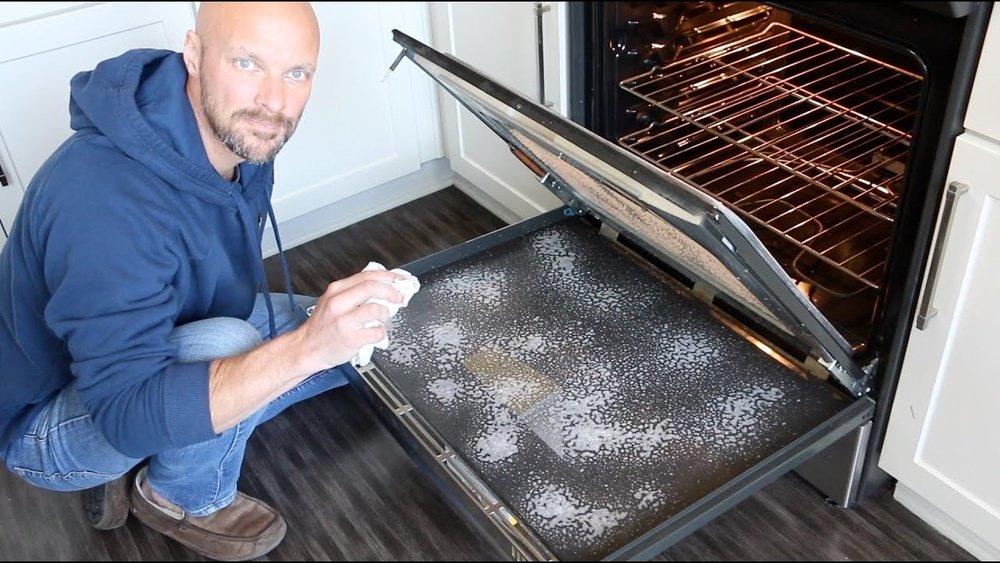
Cleaning the inside of your oven glass door can feel like a big task, but it’s easier than most people think. Many home cooks notice their oven glass getting cloudy or streaky over time. This can make it hard to see your food as it cooks, and stubborn stains can even cause bad smells. The good news is that with the right tools, techniques, and a bit of patience, you can get your oven glass sparkling again—often using simple items you already have at home.
This guide will show you exactly how to clean oven glass door on the inside. You’ll learn why the glass gets dirty, the best cleaning methods for every situation, and how to avoid mistakes that can scratch or damage your oven.
Whether you’re dealing with baked-on grease, mysterious brown spots, or just everyday grime, you’ll find practical advice here that works. Plus, you’ll discover smart tips that even experienced home cleaners sometimes miss. Ready to see your reflection in your oven door again?
Let’s get started.
Why Oven Glass Gets Dirty
Many people wonder why oven glass doors get so dirty so quickly. The main reason is that the inside of your oven is exposed to high heat and food splatters. When you roast, bake, or broil, small drops of grease, butter, and sauce can jump onto the glass. Over time, these bits get burned onto the surface by the oven’s heat, turning into tough stains.
Another reason is steam. When you cook food with lots of moisture, the water vapor rises and hits the cooler glass. This forms a thin film that collects dust and grease. Some modern ovens have ventilation gaps near the glass, which can let even more particles get inside.
Non-obvious insight: Most people do not realize that the type of food cooked matters. Roasts and casseroles with cheese or sugar can make stickier, harder-to-remove stains than plain bread or vegetables.
Second insight: If your oven’s door seal is worn out, more steam and grease will escape and settle on the glass. Replacing the seal can help keep the glass cleaner for longer.
Safety First: Preparing To Clean
Before you touch anything, it’s important to make sure you’re safe. Ovens can get extremely hot, and cleaning with the wrong product can damage the glass or your hands.
- Turn off the oven and unplug it if possible. Wait until it is completely cool before you start cleaning.
- Read the manufacturer’s manual for your specific oven model. Some ovens have special coatings or cleaning instructions. If you can’t find your manual, most brands have copies online.
- Gather your supplies. You’ll need a few basic tools:
- Soft microfiber cloths
- Sponge or non-scratch scrub pad
- Plastic scraper or old credit card (never use metal)
- Baking soda
- White vinegar
- Dish soap
- Spray bottle
- Bowl and spoon
- Rubber gloves
- Paper towels or old newspapers
- Toothbrush (optional for corners)
- Ventilate your kitchen by opening a window or turning on a fan, especially if using commercial cleaners.
Quick Comparison: Diy Vs. Commercial Oven Glass Cleaners
Many people wonder if they should use store-bought cleaners or homemade solutions. Here’s a direct comparison to help you decide:
| Feature | DIY Cleaners | Commercial Cleaners |
|---|---|---|
| Cost | Low (baking soda, vinegar) | Medium to High |
| Safety | Usually safe, non-toxic | May contain strong chemicals |
| Effectiveness | Great for light to medium stains | Good for heavy, baked-on grime |
| Odor | Mild, natural smell | Can be strong or chemical |
| Time Needed | May require soaking | Often faster |
Pro tip: Start with a natural solution first. If stains remain, move to a stronger commercial product as a last resort.
Step-by-step: How To Clean Oven Glass Door On Inside
Let’s break down the cleaning process into clear, easy steps. You’ll find advice for both light cleaning and deep cleaning with stubborn stains.
Step 1: Remove Loose Crumbs And Debris
Start by opening your oven door fully. Use a dry paper towel or a small handheld vacuum to sweep away crumbs and loose dirt from the glass. This makes the next steps easier and prevents scratching.
Tip: Don’t forget to check the edges and corners. Food bits often hide there.
Step 2: Mix A Simple Cleaning Paste
Baking soda is your best friend for cleaning glass. Here’s how to make a gentle but powerful cleaner:
- Add 1/2 cup of baking soda to a small bowl.
- Slowly mix in a few tablespoons of water until you have a thick, spreadable paste (about the texture of toothpaste).
Step 3: Apply The Paste
Put on your rubber gloves. Using a soft cloth or your fingers, spread the baking soda paste evenly over the inside of the glass. Pay special attention to spots with brown or black stains.
Pro insight: Let the paste sit for at least 20 minutes. For very tough stains, leave it for up to 40 minutes. This soaking time lets the baking soda break down grease without harsh scrubbing.
Step 4: Scrub Gently
After soaking, use a damp sponge or non-scratch scrub pad to gently rub the glass. Move in small circles. Most stains will lift easily. For stubborn spots, use a plastic scraper or an old credit card to gently lift the grime—never use metal tools, or you might scratch the glass.
Step 5: Rinse And Wipe
Wipe away the baking soda and loosened dirt with a clean, wet microfiber cloth. You may need to rinse the cloth and repeat a few times. Make sure no paste is left in the corners.
Example: If you notice streaks, spray a little white vinegar on the glass and wipe with a dry cloth. The vinegar reacts with baking soda, helping lift away any last residue.
Step 6: Dry And Polish
Buff the glass with a dry microfiber towel or paper towel. Polish in a circular motion for a streak-free shine.
Hidden detail: Some people skip this step, but drying the glass prevents new spots from forming as the oven heats up again.

Credit: www.onegoodthingbyjillee.com
How To Remove Extra Stubborn Stains
Sometimes, oven glass gets stains that seem impossible to remove. These are usually from sugar, cheese, or burnt-on grease. If the baking soda paste didn’t work, try these advanced methods.
Using Vinegar And Baking Soda
- Spray white vinegar directly onto the glass.
- Sprinkle a little baking soda on top.
- Let it fizz for 10-15 minutes.
- Wipe with a damp cloth and repeat if needed.
This chemical reaction helps lift baked-on food.
Commercial Oven Glass Cleaner
Choose a cleaner labeled “safe for glass” or “streak-free. ” Always read the directions. Spray the cleaner, wait as directed, then wipe with a clean cloth. Rinse with water after to remove chemical residue.
Razor Blade Scraper (for Glass Only)
If your manufacturer allows it, you can use a razor blade scraper for flat glass. Hold the blade at a 45-degree angle and gently scrape off stuck spots. Do not use this on coated or tinted glass, as it can cause permanent damage. Always check your oven’s manual before trying this method.
Practical example: If a sticky brown spot remains after cleaning, spray it with vinegar, let sit for 10 minutes, then gently use the scraper.
Cleaning Between The Oven Glass Panels
Many ovens have two or three layers of glass. Sometimes, spills get between the panels and leave streaks you can’t reach from inside or outside. This is a common source of frustration.
How To Tell If There’s Dirt Between The Glass
If you see streaks or crumbs that do not move when you wipe both sides of the door, the dirt is trapped between the panels.
How To Clean Between The Panels
Most oven doors are designed to be removed for cleaning. Here’s a general guide:
- Open the door fully and look for screws along the top or sides.
- Use a screwdriver to carefully remove the screws.
- Gently lift or slide apart the inner glass panel.
- Use a long, thin cleaning tool (like a yardstick wrapped with a cloth) to wipe between the glass sheets.
- Clean, dry, and reassemble the door.
Important: Not all ovens are built the same way. Some brands have a video tutorial on their website, or you can find guides on YouTube for your specific model.
Non-obvious insight: Avoid using water sprays between the panels; too much moisture can leave streaks or drip into the oven’s electronics.
Oven Glass Cleaning Methods Compared
Here’s a side-by-side look at the most popular methods for cleaning oven glass doors inside.
| Method | Best For | Time Needed | Risks | Cost |
|---|---|---|---|---|
| Baking Soda Paste | Light to medium stains | 30-45 mins | None | Very low |
| Vinegar & Baking Soda | Sticky, stubborn stains | 30-60 mins | May need extra rinsing | Low |
| Commercial Cleaner | Heavy, baked-on grease | 20-30 mins | Strong fumes, gloves needed | Medium |
| Razor Blade Scraper | Flat, hard spots | 10-15 mins | Glass scratches | Low |
| Dish Soap & Hot Water | General cleaning | 10-20 mins | May not remove tough stains | Very low |
Mistakes To Avoid When Cleaning Oven Glass
Even with the right products, there are some common mistakes that can make cleaning harder or even damage your oven.
- Using metal tools. Metal scrapers or steel wool can scratch glass permanently.
- Cleaning when hot. Glass can crack if you spray cold water or cleaner on a hot door.
- Skipping the manual. Some ovens have special coatings; using the wrong cleaner can ruin them.
- Letting cleaner drip inside the oven. Too much liquid can damage electrical parts or leave streaks inside the oven.
- Ignoring the seal. Cleaning the edges and seal helps prevent future leaks and stains.
- Rushing the process. Most effective methods need at least 20-30 minutes to soak and work.
Non-obvious tip: Many people use rough paper towels. For best results, always finish with a microfiber cloth to avoid lint and streaks.
:max_bytes(150000):strip_icc()/GettyImages-478046597-5cfcc543ecb846fd9783fed2be56fa06.jpg)
Credit: www.southernliving.com
How Often Should You Clean The Oven Glass?
The answer depends on how often you use your oven and what you cook. As a general rule:
- Light users (once or twice a week): Every 2-3 months
- Frequent bakers/roasters: Once a month, or whenever you see visible stains
- After spills: Clean as soon as the oven cools down to prevent stains from setting
Pro advice: A quick wipe after each use (once cool) keeps deep cleans easier and faster.
Special Cases: Self-cleaning Ovens
Some ovens have a self-cleaning function. This uses high heat to burn off grease and stains, turning them into ash.
- Does it clean the glass? Not always. Self-cleaning can help loosen dirt on the glass, but you’ll still need to wipe it off after the cycle.
- Safety note: Self-clean cycles get extremely hot. Never try to clean the glass while the oven is running or still hot.
:max_bytes(150000):strip_icc()/RealSimple_how-to-clean-oven-door_M1-Step02_preview-20666bf33e154924bdaac3c59867a6f6.jpg)
Credit: www.realsimple.com
Cleaning Inside The Oven Door Gasket
The oven gasket is the rubber or silicone seal around the door. If it’s dirty, it can make the glass look bad and stop the door from closing tightly.
- Wipe the gasket with a damp cloth and a little dish soap.
- Never use harsh chemicals or scrub hard, as you could damage the seal.
- Dry with a clean towel.
Hidden insight: A damaged gasket lets more steam and grease escape, making glass get dirty faster. Replace if you see cracks or it feels loose.
Natural Cleaning Alternatives
If you prefer to avoid all chemicals, here are some safe, eco-friendly options:
- Lemon juice: Its natural acid can help cut grease. Mix with water and use like vinegar.
- Castile soap: A gentle, plant-based soap that can replace dish soap.
- Cornstarch: Mixed with water, it makes a mild abrasive paste for polishing glass.
Real-world example: Rubbing a cut lemon over greasy spots, letting it sit, then wiping clean with a damp cloth can brighten glass and leave a fresh scent.
How To Keep Oven Glass Cleaner Longer
Preventing stains is easier than deep cleaning. Here are smart habits to keep your oven glass looking its best:
- Cover dishes: Use lids or foil to stop splatters.
- Check seals: Replace gaskets when worn.
- Wipe spills quickly: Clean up right after cooking, once the oven cools.
- Use baking sheets: Place under roasting dishes to catch drips.
- Ventilate: Open windows to reduce steam buildup.
Non-obvious tip: Place a silicone baking mat under pies or casseroles. It catches drips and is easy to clean.
When To Call A Professional
Sometimes, stains or cloudiness remain no matter how hard you clean. If you notice:
- White, foggy patches that won’t wipe off (could be permanent etching)
- Cracks or chips in the glass
- Dirt you can’t reach, even after removing panels
It’s time to call a qualified appliance repair person. They can safely replace the glass or clean areas you can’t access. Don’t take risks with cracked oven glass—it can shatter under high heat.
Real-life Example: A Success Story
Maria, a busy mom, struggled with a greasy oven glass door for months. She tried window spray, but the brown stains didn’t budge. After reading her oven’s manual, she realized her oven door could be unscrewed. She made a baking soda paste, let it sit for 30 minutes, then used a plastic scraper.
The stains lifted easily. After reassembling the door and wiping with vinegar, her oven glass looked brand new. Now, she does a quick wipe every week and hasn’t had a tough stain since.
Diy Cleaning Paste Recipes
Here are three easy recipes to try at home for a sparkling oven glass door.
Basic Baking Soda Paste
- 1/2 cup baking soda
- 2-3 tablespoons water
Mix into a spreadable paste.
Lemon & Baking Soda Paste
- 1/2 cup baking soda
- Juice of 1 lemon
Mix until it forms a thick paste. The lemon adds grease-cutting power and a fresh scent.
Vinegar & Cornstarch Spray
- 1 cup white vinegar
- 1 tablespoon cornstarch
- 1 cup water
Mix and shake well in a spray bottle. Spray on the glass, let sit for 10 minutes, then wipe clean.
Top Questions To Ask Before You Start
- Is my oven door removable?
- Does my oven have a special glass coating?
- Am I dealing with dirt between glass panels or just surface stains?
- Do I have the right cleaning tools (non-scratch pads, microfiber cloths)?
- Is my oven still under warranty?
Knowing the answers to these questions will help you choose the safest, most effective cleaning method for your oven glass.
Frequently Asked Questions
How Do I Clean Between The Glass On My Oven Door?
To clean between oven glass panels, check if your oven door can be removed. Most models have screws at the top or sides. Remove them, carefully separate the panels, and use a long tool wrapped with a cloth to clean inside.
Always check your manual for brand-specific instructions. Avoid using too much water to prevent streaks or damage.
Can I Use A Razor Blade To Clean Oven Glass?
A razor blade scraper can be used on flat, non-coated glass only. Hold the blade at a low angle and gently scrape off stubborn spots. Never use metal tools on coated or tinted glass, as this can scratch or damage the surface.
Always check your oven’s manual for guidance.
Is It Safe To Use Commercial Oven Cleaners On Glass?
Many commercial cleaners are safe for oven glass, but always choose one labeled “glass safe” and follow the instructions. Wear gloves and ventilate your kitchen, as fumes can be strong. Rinse the glass well with water after cleaning to remove any chemical residue.
Why Does My Oven Glass Look Cloudy After Cleaning?
Cloudiness can be caused by leftover cleaner, hard water deposits, or permanent etching from repeated high heat and strong chemicals. Try wiping with vinegar and a microfiber cloth. If the cloudiness remains, it may be permanent, and you might need professional help or glass replacement.
How Often Should I Clean The Inside Of My Oven Glass Door?
For most homes, cleaning every 2-3 months is enough. If you cook foods that splatter or roast often, clean once a month or after visible spills. A quick wipe after each use, once cool, helps prevent tough stains and makes deep cleaning easier.
If you want more oven maintenance tips, you can check the Good Housekeeping oven cleaning guide.
Keeping your oven glass clean on the inside doesn’t just look good—it helps you monitor your food and keeps your kitchen smelling fresh. With these step-by-step tips and a little effort, you’ll enjoy a sparkling oven door for years to come.